The short answer to what are rotors on brakes is simple: rotors are the flat, metal discs that a brake pad squeezes to slow or stop a vehicle. They are one of the most important parts of a disc-brake system, which is used on nearly every modern passenger car, crossover, truck, and EV. Think of the rotor as the moving surface that converts your vehicle's motion into heat.
That heat conversion is the key detail. A 4,000-pound SUV traveling at 65 mph carries substantially more kinetic energy than a 2,800-pound compact car at the same speed. The brake system must absorb that energy repeatedly without cracking, warping, or losing friction. Rotor size, ventilation, pad material, vehicle weight, and driving conditions all influence how well the system performs.
What Are Rotors on Brakes and How Do They Work?
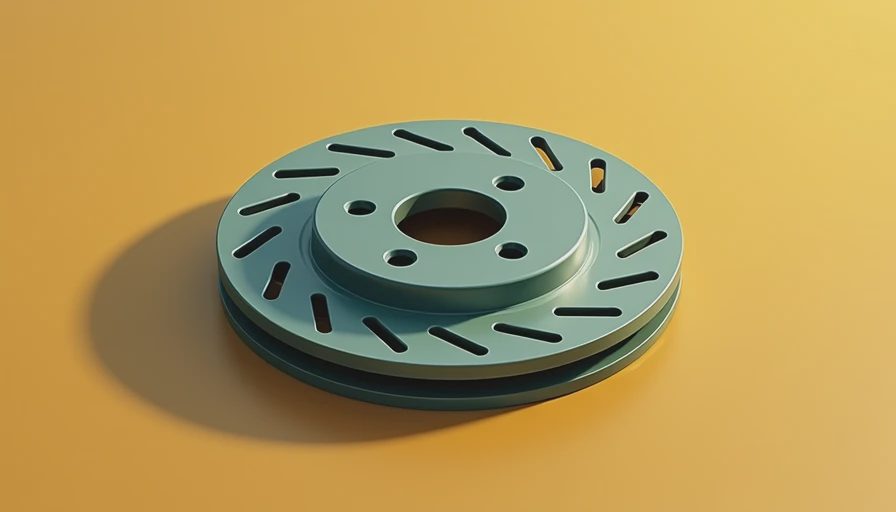
A brake rotor, also called a brake disc, is attached to the wheel hub and turns at the same speed as the wheel. When you press the brake pedal, hydraulic pressure moves a piston inside the caliper. The caliper pushes one or more brake pads against both sides of the rotor. Friction slows the rotor, which slows the wheel and ultimately the vehicle.
Most rotors are made from cast iron because it offers a useful balance of heat capacity, durability, and cost. Performance vehicles sometimes use two-piece rotors, while some premium sports cars use carbon-ceramic discs. Those high-end systems can reduce unsprung weight and tolerate extreme temperatures, but replacement costs can reach several thousand dollars per axle. For a typical commuter vehicle, conventional iron rotors remain the rational value choice.
Rotors are usually solid or vented. Solid rotors are common on rear axles and smaller vehicles. Vented rotors contain internal channels that help move heat away from the friction surfaces. Some designs include drilled holes or curved slots, but those features do not automatically improve everyday braking. They can add noise, reduce usable friction material, or create stress points when poorly matched to the car.
By the Numbers: An estimated rotor diameter might range from about 10 inches on a compact sedan to more than 15 inches on a heavy-duty truck. Bigger does not always mean better, but it generally provides more leverage and more surface area for heat management.

The Difference Between Rotors, Pads, and Calipers
If you are researching what are rotors on brakes, separate the three main parts before approving a repair. The rotor is the spinning disc. The brake pad is the replaceable friction material pressed against it. The caliper is the clamp-like assembly that holds the pads and applies pressure.
Pads usually wear faster than rotors because they are designed to sacrifice material. A normal pad thickness might start around 10 to 12 millimeters, although designs vary. Many shops recommend replacement when roughly 3 millimeters remain, especially if the vehicle is used in traffic, hills, or frequent stop-and-go driving. Rotors can last through one or more pad changes, but they are not automatically reusable.
A technician measures rotor thickness with a micrometer and compares the result with the minimum specification cast into the rotor or listed by the manufacturer. If the disc is below that limit, it cannot safely shed heat as designed. Installing new pads on an undersized rotor can produce poor braking, noise, uneven contact, and accelerated pad wear.
The caliper also matters. A sticking caliper can keep a pad pressed against the rotor, creating excess heat and pulling the car to one side. Replacing only the noisy component without diagnosing the complete corner can turn a $300 repair into a second visit and another labor charge.
Warning Signs That Rotors Need Attention
The most recognizable symptom is a pulsing brake pedal or steering wheel during braking. This is often described as a warped rotor, although uneven thickness variation or uneven pad deposits can create the same sensation. A rotor that feels smooth at low speed may still produce noticeable vibration during a highway stop.
Grinding is more urgent. It can indicate that the friction material is gone and the pad's backing plate is contacting the rotor. Continued driving can damage the disc, caliper, and wheel hub. A squeal, by contrast, is not always an emergency; some pads use wear indicators that intentionally make noise when replacement is due.
Look for grooves, blue or purple heat discoloration, rust flaking, or a pronounced ridge around the outer edge. Surface rust after rain is normal and usually disappears after several stops. Deep corrosion on the braking surface is different. EV owners should pay particular attention because regenerative braking can reduce use of the friction brakes, allowing moisture and rust to remain longer in some driving patterns.
If the vehicle pulls, stops unevenly, smells hot after a short trip, or shows a brake warning light, schedule an inspection promptly. Braking distance is not a spreadsheet variable worth optimizing after the system has shown a failure signal.
Brake Rotor Replacement Cost and Timing
For a mainstream sedan or crossover, an estimated replacement price is often about $300 to $700 per axle, including parts and labor. Larger trucks, luxury vehicles, electronic parking brakes, and premium two-piece rotors can push the total above $1,000 per axle. These are planning ranges, not quotes; labor rates in Austin, Dallas, New York, and smaller markets differ substantially.
Many shops replace pads and rotors together because the new pad needs a properly matched friction surface. A typical front-axle pad-and-rotor service might take one to two hours. The rear axle can require additional steps when the parking brake is integrated into the caliper or uses an electronic actuator.
Rotor life has no fixed mileage. A driver who commutes on flat highways might get 50,000 miles or more, while a mountainous route, frequent towing, or aggressive urban traffic can shorten that interval. Inspect condition and thickness rather than approving replacement based only on an odometer number.
What are rotors on brakes worth in your maintenance budget? Treat them as wear items, similar to tires and pads. Routine inspection can reveal a developing problem before it damages a caliper or hub, where the bill becomes larger and the vehicle may be unsafe to drive.
Does Car Insurance Pay for Brake Rotors?
Standard auto insurance generally does not pay for ordinary brake wear, routine maintenance, or replacement of worn rotors. Comprehensive coverage is designed for non-collision events such as theft, hail, falling objects, and certain animal strikes. Collision coverage applies to damage caused by a crash, subject to the policy deductible.
For example, if a rotor wears below its service limit after years of braking, that is normally your maintenance expense. If a collision damages the wheel, suspension, and brake assembly, collision coverage could potentially apply to the covered damage after the deductible. A $500 deductible would make a small repair less useful to claim than a major accident repair, and filing history can affect future premiums.
This is why I include brake reserves in total-cost-of-ownership calculations. Setting aside roughly $400 to $800 for a conventional axle service gives a driver more flexibility than treating every repair as an insurance question. EVs can reduce some maintenance categories, such as oil changes, but they still use tires, suspension components, and friction brakes.
A Practical Inspection Plan
Start by checking the owner's manual for the recommended inspection schedule and minimum rotor thickness. During a tire rotation, ask the shop to measure each rotor and record the numbers on the invoice. A written measurement is more useful than a vague statement that the discs look bad.
Next, compare symptoms with evidence. A pulsating pedal deserves a road test and thickness check; a single squeal may require pad inspection and cleaning. Ask whether the quote includes pads, hardware, caliper service, shop supplies, and disposal fees. Also ask whether both sides of the same axle will be replaced. Brake components on one axle are normally serviced in pairs so braking remains balanced.
Finally, confirm that the shop performs a proper bedding procedure after installation. This allows pad material to transfer evenly to the rotor surface. Avoid hard repeated stops immediately after service unless an emergency requires them. Keep the invoice, part numbers, measurements, and mileage in your maintenance spreadsheet.
The most useful answer to what are rotors on brakes is not merely a definition. Rotors are heat-management components, wear items, and a direct part of your vehicle's safety margin. Learn the warning signs, compare measured evidence with the manufacturer's limits, and price the repair before noise becomes damage.
No comments yet.