Shopping for a midsize suv with 4wd sounds simple until the spreadsheet starts filling up. You have fuel economy, ground clearance, cargo volume, towing capacity, purchase price, insurance, and winter traction competing for attention. The right answer is not automatically the largest or most expensive crossover. It is the vehicle that solves your actual driving problem without charging you for capability you rarely use.
My short take: a midsize SUV with 4WD makes the most sense for drivers who regularly face snow, loose gravel, steep driveways, or unpaved access roads. If your commute is mostly dry pavement, all-wheel drive and quality tires can be a more efficient combination. Here is how I would evaluate the segment using the same rubric for every vehicle.
What 4WD Actually Adds
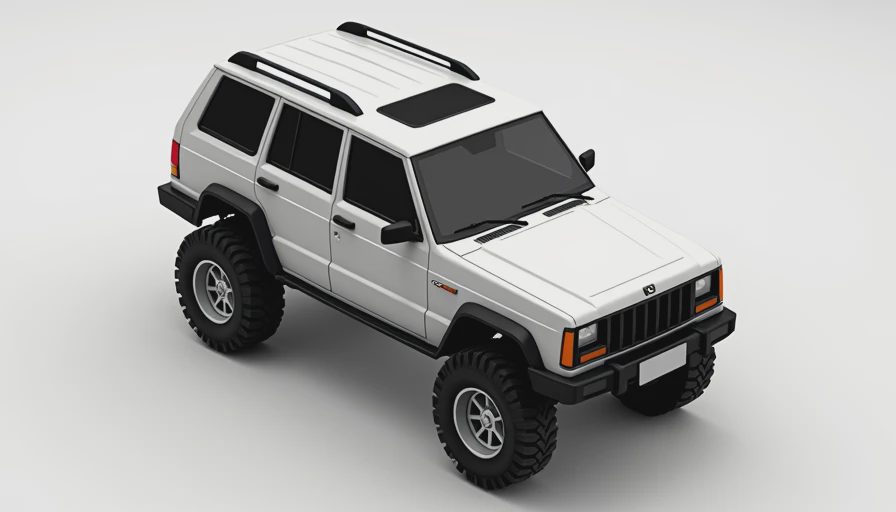
Traditional four-wheel drive usually provides a selectable low-range mode or a more direct mechanical connection between the front and rear axles. That matters when traction is poor and speed is low. Deep snow, mud, rutted trails, and a boat ramp are situations where low-range gearing can be more useful than an electronic all-wheel-drive system.
The tradeoff is weight, complexity, and often lower fuel economy. A typical midsize suv with 4wd can use several hundred more pounds of hardware than a front-wheel-drive version. That weight affects acceleration, braking, tire wear, and fuel cost. It also does not shorten stopping distance on ice. Tires remain the first line of defense, and a worn all-season tire can undermine an otherwise capable drivetrain.
For daily driving, look for a system with a clear 4H setting, a useful 4L range, hill-descent control, and a terrain mode that does more than change a dashboard graphic. Toyota 4Runner, Jeep Grand Cherokee, Ford Bronco, and some Nissan Pathfinder configurations illustrate different approaches. They are not interchangeable: suspension tuning, tire choice, and approach angles can matter as much as the drivetrain badge.
The Models Worth Comparing
The Toyota 4Runner is the obvious durability-focused benchmark. Its truck-based construction and available low-range gearing favor trail use, but its ride and fuel economy are less crossover-like. The current-generation vehicle should be evaluated by trim, powertrain, and model year because equipment and efficiency vary substantially.
The Jeep Grand Cherokee offers a wider range of configurations, from comfort-oriented versions to models with more serious off-road equipment. Its independent suspension generally prioritizes road manners, while selected trims add stronger trail hardware. That flexibility makes it a useful choice for a buyer who spends 90% of the week on pavement and 10% exploring.
The Ford Bronco is more specialized. Removable roof panels and available trail equipment bring real recreational value, but wind noise, ride comfort, and long-distance refinement deserve a test drive. The midsize suv with 4wd category is not just about capability scores; the cabin has to work on Monday morning.
The Honda Passport and Subaru Outback occupy a softer edge of the comparison. Their traction systems and ground clearance can serve snow, gravel, and light trails, but they are not the same tool as a body-on-frame SUV with low range. Be precise about your use case before paying for a rugged appearance package.
By the Numbers: A Practical Scoring Rubric
I score each midsize suv with 4wd across five categories: traction hardware, daily efficiency, cargo usability, ownership cost, and driver confidence. The first category gets a 25-point weight because capability is the reason to accept the added mass. Efficiency and ownership cost receive 20 points each. Cargo and confidence receive 15 and 20 points.
For fuel cost, use your own annual mileage rather than the window-sticker headline. Suppose you drive 12,000 miles per year and gasoline costs $3.50 per gallon. A vehicle averaging 22 mpg uses about 545 gallons, or roughly $1,908 annually. At 28 mpg, the same route uses about 429 gallons, or $1,502. That $406 yearly difference becomes more than $2,000 over five years before maintenance or price changes.
Also price the tires. A set of four all-terrain tires can cost approximately $800 to $1,400, depending on size and brand. A quieter highway tire may cost less and improve wet-road behavior. If you do not need trail traction, selecting aggressive tires because they look good is a poor spreadsheet decision.
The number they are showing versus the number that matters: a high tow rating is less valuable than stable handling, a factory hitch, trailer wiring, and a transmission temperature strategy you understand. Towing capacity is only useful when the vehicle, trailer, payload, and local rules are matched correctly.
Insurance and Ownership Costs
Insurance pricing depends on the driver, location, claims history, coverage limits, deductible, and vehicle configuration. Still, the model comparison is worth making before you sign. A newer, higher-value SUV can carry higher comprehensive and collision premiums than an older equivalent, while repairable safety technology can also influence claim costs.
Request quotes using the exact year, trim, and VIN when available. Compare liability limits separately from physical-damage coverage. Raising a collision deductible from $500 to $1,000 can reduce the premium, but only if you could comfortably pay the larger amount after a crash. Get at least three quotes from carriers such as State Farm, GEICO, Progressive, or an independent agent, because pricing can differ sharply for the same vehicle and driver profile.
Maintenance is another overlooked line item. Turbocharged engines, larger wheels, electronic suspension components, and specialized four-wheel-drive systems can increase service costs. Ask the dealer for a scheduled-maintenance estimate through 60,000 miles, then add a tire replacement reserve. A $45,000 SUV with predictable service can be financially easier than a $40,000 vehicle with expensive tires and inconsistent repair pricing.
How to Test-Drive the Right Vehicle
Do not limit the drive to a dealership loop. First, sit in the second row and measure the practical space for adults, a child seat, or work equipment. Then check whether the cargo floor remains usable with the rear seats folded. A published cargo number cannot tell you whether the opening fits your bicycle or whether the lift-over height is annoying every week.
Next, drive at neighborhood speeds, highway speeds, and over a rough surface. Listen for tire roar and suspension impact. Test the camera views, drive-mode controls, seat adjustment, and wireless phone connection. If you will tow, inspect the hitch position and ask how trailer sway control operates.
Finally, find a safe surface where the dealer permits you to engage the relevant 4WD modes. Confirm that the indicators are clear and that switching modes does not require a confusing sequence of menus. The best system is the one you can operate correctly under pressure.
My Buying Recommendation
Choose a midsize suv with 4wd when your calendar includes genuine low-traction driving, not just the possibility of one snowstorm. For frequent trails, start with the 4Runner, Bronco, or trail-oriented Grand Cherokee trims. For mostly urban and suburban driving, compare the Passport and Outback against a conventional all-wheel-drive crossover before accepting the efficiency penalty.
Three years ago, nobody predicted this: buyers would have more electrified SUV choices but still need to separate genuine utility from marketing theater. Here is the data that proves it in your own budget: calculate fuel, tires, insurance, maintenance, and financing before judging the badge. Get written quotes, conduct a full test drive, and choose the vehicle that scores well in the categories you will actually use. That process beats buying the toughest-looking option and discovering that its capability spends most of its life unused.
No comments yet.