An evap code on car diagnostics usually points to a problem in the evaporative emissions system, not an engine that is about to fail. The system captures gasoline vapors inside the fuel tank and routes them into the engine to burn instead of releasing them into the atmosphere. A loose gas cap can trigger the same warning as a cracked vapor hose, so the code deserves a measured diagnosis rather than an instant parts purchase.
I treat this like any other automotive data problem: start with the code, identify the system, then test the most likely failure points in order. The check-engine light gives you a signal, not a conclusion. Driving behavior, fuel level, vehicle age, and the exact code all affect the repair path.
What an EVAP code actually means
EVAP stands for evaporative emission control system. Its main components include the fuel tank, gas cap, purge valve, vent valve, charcoal canister, pressure sensor, and a network of vapor lines. During a leak test, the vehicle computer closes selected valves and checks whether the system holds pressure or vacuum.
Common codes include P0440 for a general EVAP malfunction, P0442 for a small leak, P0455 for a large leak, and P0456 for a very small leak. These codes are useful clues, but they do not identify the failed part by themselves. A P0456, for example, could come from a cap seal, a brittle hose, or a valve that does not close completely.
By the Numbers: a gas cap replacement can cost roughly $15 to $50, while a diagnostic visit often runs about $100 to $180 before repairs. Those are practical estimates, not a universal price list. Luxury vehicles and difficult-to-access components can push the bill higher.
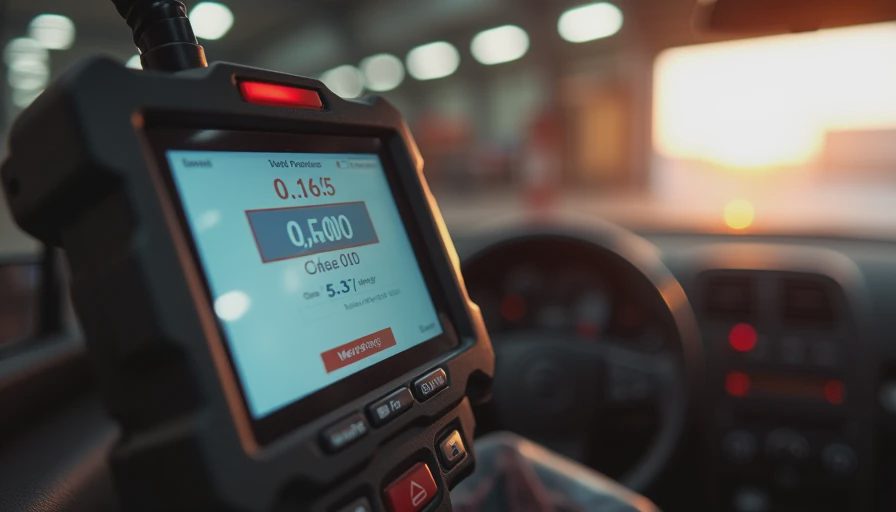
The fastest checks before paying for diagnosis
If you see an evap code on car dashboard equipment, begin with the simple inspection. Remove the gas cap, check the rubber seal for cracks or flattening, and reinstall it until it clicks. If the cap feels loose, damaged, or does not fit tightly, replacement is a sensible first move. Do not assume the warning disappears immediately; some vehicles need several drive cycles before the computer reruns its test.
Next, inspect the area around the fuel door and look beneath the vehicle for disconnected or visibly damaged vapor lines. Never crawl under a car supported only by a jack. Also check whether the fuel tank was recently filled unusually high. Topping off after the pump stops can send liquid fuel into a vapor system designed primarily for fumes, although it does not prove that this caused the code.
If the light is steady and the car starts, idles, and accelerates normally, a short trip to a repair shop is usually reasonable. Stop driving and seek help promptly if the light flashes, the vehicle runs poorly, fuel leaks, or you smell strong gasoline.
Why smoke testing is often the decisive step
An EVAP leak can be too small to see. That is why professional shops often use a smoke machine. The technician introduces a specialized, nonflammable smoke into the sealed system and watches for smoke escaping from hoses, valve connections, the canister, or the tank area. A smoke test can turn a vague evap code on car scan into a visible leak location.
A proper diagnostic sequence may include reading freeze-frame data, checking fuel-tank pressure sensor readings, commanding the purge and vent valves with a scan tool, and inspecting the cap seal. A basic code reader might cost $25 to $100, but many inexpensive readers only display and clear codes. Bidirectional tools can operate valves and collect more useful evidence.
The number that matters is not how quickly a shop clears the light. It is whether the system passes its monitor after the repair. Clearing the code without fixing the leak resets readiness monitors and can make the vehicle temporarily appear healthy while the same warning returns later.
Typical repair costs and repair priorities
Repair pricing depends heavily on access and the failed component. A replacement gas cap may cost $15 to $50. An EVAP purge valve commonly lands around $100 to $300 installed, while a vent valve may fall in a similar range. Replacing a vapor hose can be inexpensive if it is accessible, but a rusted line near the fuel tank can require several hours of labor.
A charcoal canister may cost approximately $200 to $600 installed. Fuel-tank pressure sensors and tank-mounted components can reach $300 to $900, especially when the tank must be lowered. These ranges are estimates based on typical parts and labor patterns, not quotes for every make and model.
Prioritize leaks involving liquid fuel or strong fumes, then address large leaks and failed valves. A small leak usually does not change acceleration or fuel economy noticeably, but leaving any emissions fault unresolved can create inspection problems and allow a minor seal issue to become a larger diagnostic headache.
Can an evap code affect insurance or vehicle value?
An evap code on car records does not normally create a standalone auto insurance claim. Mechanical wear, a failed gas cap, and emissions-system faults are generally maintenance issues rather than covered collision damage. If a crash damaged the fuel system, comprehensive or collision coverage could become relevant depending on the event, policy, deductible, and adjuster’s findings. A routine diagnostic repair is usually paid out of pocket.
The bigger financial risk is buying or selling a vehicle without checking readiness monitors. A seller can clear codes shortly before a test drive, but the monitors may still show incomplete status. Use an OBD-II scanner to check stored codes, pending codes, and monitor readiness. If several monitors are incomplete, ask why before negotiating. A pre-purchase inspection costing roughly $100 to $250 is cheap compared with discovering a $700 tank-area repair after purchase.
A practical decision process for drivers
When an evap code on car systems appears, follow this order:
- Record the exact code, mileage, fuel level, and whether the light is steady or flashing.
- Inspect and reseat the gas cap. Replace it if the seal is visibly damaged or the cap does not lock correctly.
- Look for fuel odor, wet spots, broken lines, or recent work near the tank and rear suspension.
- Drive normally for several trips rather than repeatedly clearing the code.
- If the warning returns, request an EVAP smoke test and a valve function test.
- Get an itemized estimate separating diagnosis, parts, labor, and shop supplies.
- Confirm the code is repaired and the monitor completes before closing the job.
The data-driven answer is simple: do not panic, do not ignore fuel odors, and do not replace expensive parts based only on a generic scan. An evap code on car diagnostics is a starting point. With the exact code, a smoke test, and a clear estimate, you can turn an uncertain warning into a controlled repair decision.
No comments yet.