The Kawasaki Vulcan 2005 is not one motorcycle with one ownership profile. It is a model-year family spanning smaller entry-level cruisers and substantially larger V-twin machines, so the badge alone does not tell you what it costs to buy, maintain, or insure. My data-first take: condition and exact trim matter more than age. A clean, documented 500 or 800 can be a smarter purchase than a neglected 1500, even when the larger bike looks like the better deal.
For a modern buyer, the question is not simply whether an old Kawasaki is cheap. It is whether the purchase price, repair reserve, safety equipment, and insurance premium fit your actual riding plan. I would score the Kawasaki Vulcan 2005 at 7.4 out of 10 for value when service records are strong, but only 5.8 when the seller cannot document maintenance.
By the Numbers: What You Are Actually Shopping For
The Kawasaki Vulcan 2005 range commonly includes the Vulcan 500 LTD, Vulcan 750, Vulcan 800 variants, and larger 1500 and 1600 cruisers, depending on market and trim. Those engines create very different purchase decisions. Smaller models are easier to manage in city traffic and generally use less fuel. Larger versions deliver stronger highway performance but bring higher tire, brake, and insurance costs.
Do not use a generic online price as your budget. A reasonable working estimate for an older, running example is roughly $2,000 to $7,000, with mileage, modifications, title status, and regional demand moving the number substantially. That is an estimate, not a verified market average. A low-priced bike may need $600 to $1,500 in immediate work for tires, battery, fluids, fork seals, or a carburetor cleaning.
The number they're showing versus the number that matters is often the same: a $3,000 listing can become a $4,200 first-season purchase after registration, gear, inspection, and deferred maintenance. Build that second number before you negotiate.
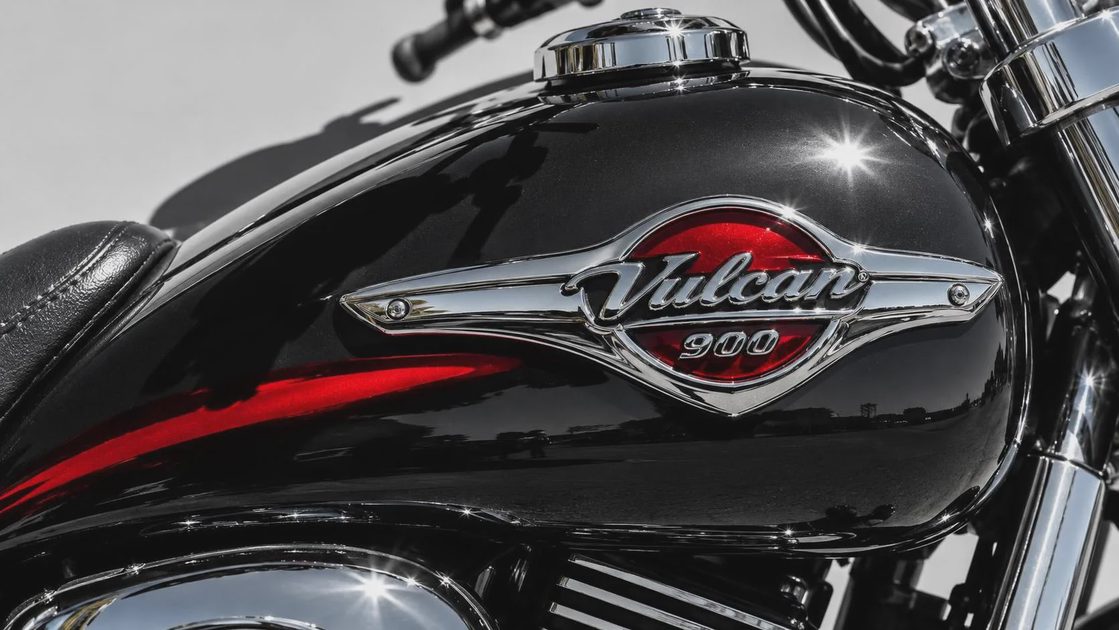
Which Kawasaki Vulcan 2005 Trim Fits Your Use?
If you are commuting several days per week, a smaller Vulcan may offer the cleanest cost model. It is typically less intimidating at parking-lot speeds, easier to move around a garage, and less expensive to equip with replacement tires. The tradeoff is reduced passing reserve compared with the large-displacement models, especially with a passenger or luggage.
An 800-class cruiser is the middle-ground choice. It can handle local roads and regular highway trips without the physical bulk of the largest models. For a rider who wants one motorcycle for weekend rides and occasional commuting, this is the trim category I would investigate first.
The larger Kawasaki Vulcan 2005 versions make more sense for riders who prioritize relaxed highway cruising, passenger use, or a heavier chassis. However, mass is not free. A heavier motorcycle can require more confidence during low-speed turns, and a dropped bike can create expensive damage to controls, exhaust components, and bodywork. Treat engine size as a use-case decision, not a status upgrade.
Before viewing any bike, ask for the exact VIN, trim name, title status, mileage, cold-start video, and service invoices. A seller who can answer those questions quickly has already reduced your risk.
Inspection Checklist Before You Buy
Start with a cold engine. If the motor is already warm when you arrive, ask why. A cold start reveals battery weakness, excessive smoke, difficult fueling, and unusual mechanical noise more clearly than a warmed-up engine.
Check the frame and steering head for impact evidence, fresh paint, cracked welds, or mismatched fasteners. Inspect fork tubes for oil residue and make sure the handlebars return smoothly from lock to lock. Look at the date codes and tread on both tires; old rubber can be unsafe even when the tread appears deep. A replacement pair can easily cost several hundred dollars installed.
Test every electrical function, including the headlight, brake light, turn signals, horn, starter, and instrument illumination. Examine the drive system for leaks and listen for abnormal drivetrain noise during the test ride. Confirm that the brakes feel firm and that the motorcycle tracks straight without pulling.
The Kawasaki Vulcan 2005 should also come with a clean title that matches the VIN on the frame. Salvage history is not automatically a deal breaker, but it changes financing, resale, and insurance availability. Walk away from pressure to skip a title check or pre-purchase inspection.
Motorcycle Insurance: Budget the Real Monthly Cost
Insurance for the Kawasaki Vulcan 2005 depends on the engine size, rider age, location, driving record, coverage limits, storage address, annual mileage, and requested deductible. A basic liability policy can be relatively affordable, while comprehensive and collision coverage costs more because the insurer is also protecting the motorcycle itself.
Liability coverage pays for injuries or property damage you cause to another party, up to your selected limits. Collision coverage addresses damage from a crash, while comprehensive coverage typically addresses non-collision losses such as theft, fire, vandalism, or weather. If you finance the motorcycle, the lender may require physical damage coverage.
For planning purposes, I would request quotes before making an offer and compare the same limits from GEICO, Progressive, Dairyland, and a local independent agent. The cheapest quote is not automatically the strongest value. Compare medical payments, uninsured motorist protection, accessory coverage, roadside assistance, and deductible levels. A $500 deductible can make a claim more manageable than a $1,000 deductible, but it usually increases the premium.
The Kawasaki Vulcan 2005 may be inexpensive to purchase yet surprisingly costly to insure if it is a large-displacement trim in a high-theft area. Get the VIN-based quote, not a generic estimate based only on the model name.
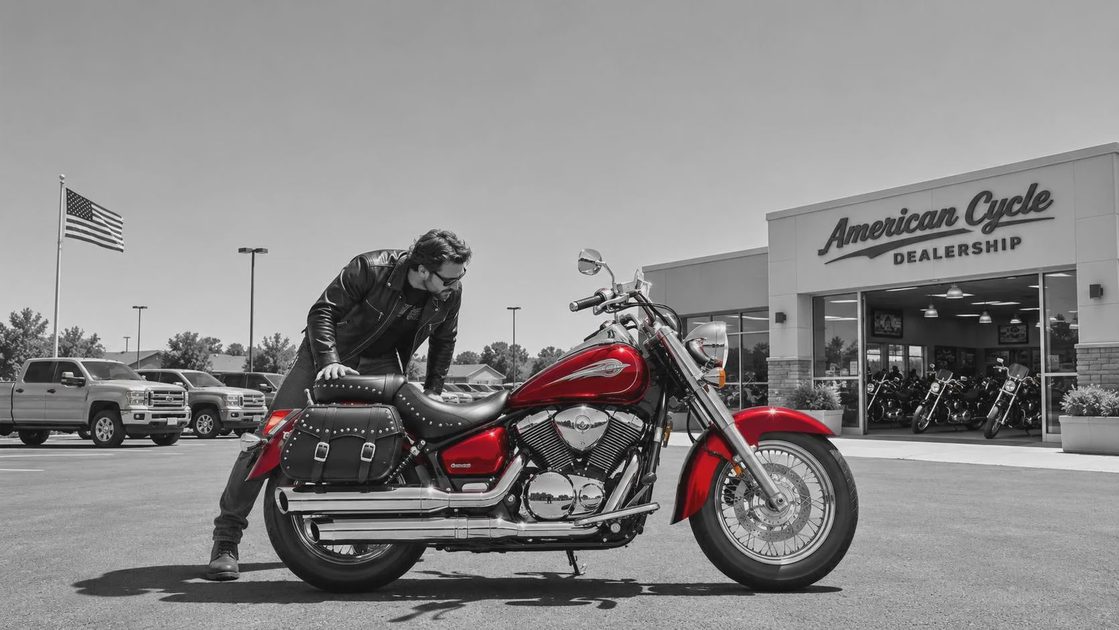
Ownership Costs and Smart Upgrades
Set aside a first-year reserve of $800 to $1,500 for an older example, excluding fuel and insurance. That reserve covers common wear items and gives you room for diagnostic labor. Chain, belt, or shaft-drive configuration varies by model, so verify the exact system before buying parts or assuming maintenance intervals.
Prioritize tires, brake fluid, engine oil, coolant where applicable, battery condition, and worn cables. Replace cracked hoses and inspect rubber components that have aged even if the odometer reading is low. Maintenance records matter because time affects motorcycles as much as miles.
Spend upgrade money on visibility and control before cosmetic accessories. Quality tires, properly adjusted suspension, brighter compliant lighting, and a secure helmet can improve the ownership experience more than oversized exhausts or decorative chrome. Keep original parts when possible; heavily modified examples are harder to value and can complicate insurance discussions.
My Buying Verdict
The Kawasaki Vulcan 2005 is worth a serious look when the exact trim matches your riding needs and the seller provides evidence of care. It is not a blind bargain simply because the motorcycle is two decades old. A $2,500 purchase with neglected tires and electrical faults can be worse value than a $4,500 example with maintenance records and recent safety work.
Use this sequence: identify the trim, obtain a VIN-based insurance quote, inspect the cold start, verify the title, price immediate repairs, and then negotiate from the complete cost. If the total still fits your budget, the bike can offer classic cruiser character without a new-motorcycle payment. If the numbers do not work, keep shopping; there will always be another used motorcycle.
On the CaliperScore rubric, the Kawasaki Vulcan 2005 earns its recommendation through transparency, not nostalgia. Show me the records, the inspection results, and the insurance quote, and the decision becomes much easier.
No comments yet.