The 2015 ram rt is a used truck you buy for its V8 character and regular-cab street-truck look, not because it is the most efficient way to move furniture. The R/T treatment paired a 5.7-liter HEMI V8 with rear-wheel drive and an eight-speed automatic. It can be a compelling weekend truck, but condition, documented maintenance, and proof that you are looking at a genuine R/T matter more than a shiny badge.
By the Numbers: What Makes the R/T Different
The 2015 ram rt was based on the Ram 1500 Sport regular cab with a short bed. Its 5.7-liter HEMI was rated at 395 horsepower and 410 pound-feet of torque. Those are factory engine ratings, not measurements at the wheels, and they do not tell you how much power a particular truck makes today.
The setup is straightforward: two doors, rear-wheel drive, an automatic transmission, and a V8. That combination gives the truck its appeal, but it also narrows its audience. A regular cab limits passenger space, and rear-wheel drive is a less versatile choice than four-wheel drive for slippery roads or unpaved job sites.
The R/T also used a performance-oriented axle ratio. Confirm the original equipment on the individual truck rather than assuming a listing's description is correct; modifications and incorrect badges are common enough reasons to do the homework. Factory equipment information tied to the VIN is more useful than a seller's shorthand.
There is an important distinction between an R/T and a Ram 1500 that simply has a HEMI. A V8 badge alone does not establish the trim or package. Start with the VIN, cab configuration, and original equipment, then compare them with what is physically on the truck.
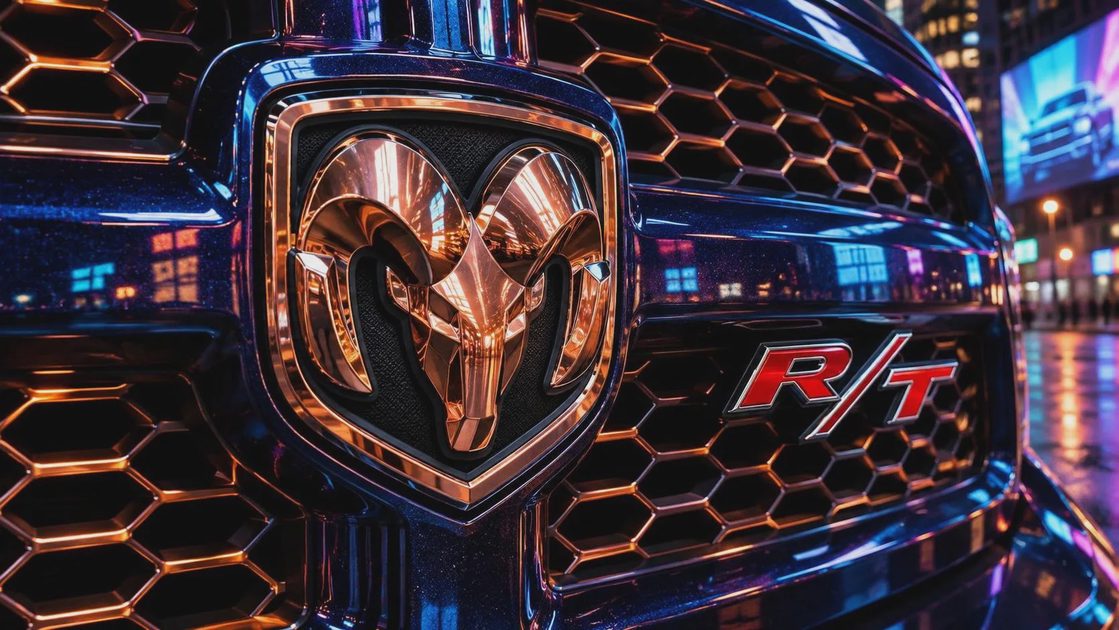
Verify the 2015 ram rt Before Paying a Premium
A seller may use “R/T” to describe the look rather than the original configuration. Ask for the VIN before making a trip, and request a factory build sheet or other original equipment documentation. A Ram dealer may be able to help identify the truck's original configuration. Check that the VIN on the documentation matches the truck and title.
Look for consistency, not one magic clue. The regular-cab, short-bed body is a useful starting point, but wheels, decals, exhaust components, and exterior trim can be changed. A truck with replacement parts is not automatically a bad purchase; it just should not command a collector-style premium based on an appearance package that cannot be verified.
Ask whether the engine, transmission, axle, and tuning are original. If the truck has an aftermarket intake, exhaust, lowered suspension, or software tune, get receipts and ask who performed the work. Modifications can make the truck more appealing to one buyer and harder to diagnose or insure for another.
A vehicle history report can flag reported accidents or title issues, but it is not a complete repair record. Compare it with service invoices, inspect for mismatched paint and uneven panel gaps, and have a qualified independent shop examine the truck before money changes hands. A clean report is not a substitute for a lift inspection.
The Ownership Math That Matters
The number on the window sticker is only the entry fee. For a 2015 ram rt, the meaningful comparison is purchase price plus fuel, insurance, maintenance, and the repairs the inspection identifies. Request an insurance quote using the actual VIN before deciding that an example fits your budget.
Here is a simple fuel-cost model, not a prediction of what this truck will achieve. At 12,000 miles per year, a hypothetical 15 mpg, and $3.50 per gallon, annual fuel costs come to about $2,800. At 20 mpg under the same assumptions, the total is $2,100. That is a $700 annual difference, before any changes in fuel prices or driving habits.
Use the EPA fuel-economy label or FuelEconomy.gov for the specific configuration as a starting point, then adjust for your own driving. Short urban trips, heavy traffic, modifications, and a heavy right foot can all change the result. Check the owner's manual for the manufacturer's fuel recommendation rather than assuming that every HEMI requires the same grade.

Tires deserve their own line in the spreadsheet. Check the size, tread, age, and wear pattern on all four. A truck with uneven wear may need an alignment or suspension work; a set that looks acceptable in listing photos may still need replacing soon. Price the correct tires locally rather than using a generic truck-tire estimate.
What to Inspect on a Used Example
Start the engine cold if possible. Listen for unusual ticking, knocking, or exhaust leaks, and ask the technician to investigate any persistent noise rather than accepting a seller's explanation. A noise alone does not identify the cause or prove that the engine needs major work.
During the drive, the transmission should shift without obvious slipping or harsh engagement. Test it at low speeds and on a longer road where it can reach operating temperature. Any warning lights, delayed engagement, or unexplained fluid leaks warrant diagnosis before purchase.
Underneath, look for corrosion on the frame and brake lines, damaged suspension components, leaking shocks, and signs of poor repairs. Surface rust and structural corrosion are different problems; let the inspecting shop explain what it finds and estimate any necessary work. Check the bed, cab corners, and underbody even if the truck has spent time in a dry climate.
Finally, run the VIN through the NHTSA recall lookup and ask a Ram dealer about any open recalls. Confirm that the air conditioning, windows, infotainment, exterior lights, and all available keys work. Small electrical or convenience issues can add up, even when the drivetrain feels strong.
Who Should Buy One?
The 2015 ram rt makes the most sense for a buyer who wants a distinctive regular-cab V8 pickup and can live with the fuel bill and limited seating. It is less convincing as an only vehicle if you regularly carry more than one passenger or need dependable traction in winter weather.
My recommendation: buy the cleanest documented example you can find, not the one with the loudest exhaust or the most confident listing. Verify the configuration, price the near-term work, and make the purchase contingent on an independent inspection. That is the spreadsheet-friendly way to enjoy a truck that was never designed to be the spreadsheet's most economical answer.
No comments yet.