If you are comparing motorcycles, scooters, or minibikes, you have probably asked: what are ccs on a bike? The answer is simple: cc means cubic centimeters, the unit used to describe an engine's displacement. In plain English, it measures the approximate volume swept by the pistons inside the cylinders. That number gives you a useful starting point for estimating power, fuel consumption, weight, and highway comfort, but it does not tell the entire performance story.
Think of engine displacement as lung capacity. A larger engine can move more air and fuel during each cycle, while a smaller engine generally uses less fuel and feels easier to manage. Two engines with the same displacement can still perform differently because of cylinder count, tuning, gearing, compression, cooling, and weight. That is why a 400cc sport bike and a 400cc cruiser can feel like completely different machines.
What does cc mean on a motorcycle?
Cc stands for cubic centimeter, a metric unit of volume. A 125cc motorcycle has an engine displacement of roughly 125 cubic centimeters. A 650cc motorcycle has about 650 cubic centimeters of piston-swept volume. The number does not represent horsepower, top speed, or the physical size of the whole engine.
When people ask what are ccs on a bike, they are usually asking how engine size translates into real-world riding. The rough pattern is predictable. Engines under 150cc are commonly found on scooters, small commuter motorcycles, and beginner models. Engines between 250cc and 500cc often balance city acceleration, fuel economy, and manageable weight. Engines from 600cc upward can provide stronger passing power, although the result depends heavily on the model's design.
By the Numbers: A 125cc commuter might produce around 8 to 15 horsepower, while a modern 300cc motorcycle may produce roughly 25 to 40 horsepower. These are broad estimates, not specifications for every model. A high-performance 600cc sport bike can make dramatically more power than a relaxed 650cc twin-cylinder cruiser.
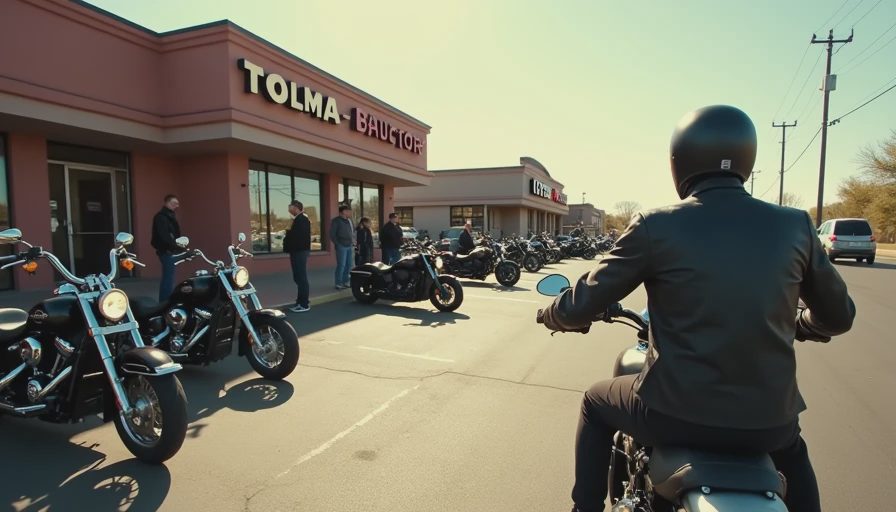
How engine size changes the riding experience
Engine size affects how quickly a bike accelerates, how easily it holds speed on hills, and how much reserve power remains when you add a passenger or luggage. A 125cc bike can be excellent for local streets, but it may feel strained on a fast interstate. A 300cc or 400cc model usually offers a more comfortable buffer for urban highways and short trips outside town.
This is where the answer to what are ccs on a bike becomes practical rather than theoretical. More displacement often means stronger torque, but it can also mean more weight, higher fuel costs, and a sharper throttle response. Bigger is not automatically better. A lightweight 300cc bike may feel quicker in traffic than a heavy 500cc cruiser, especially below 50 mph.
Rider experience matters, too. A new motorcyclist may learn faster on a predictable 250cc to 400cc motorcycle than on a powerful 1,000cc machine. Extra power can amplify mistakes during throttle, braking, or cornering. For many commuters, the best choice is the smallest engine that comfortably handles the fastest roads they regularly use.
Common motorcycle cc ranges explained
Small-displacement bikes from 50cc to 150cc are inexpensive to operate and easy to park. Many scooters in this range are practical for city errands, though top speed and wind stability can limit their usefulness on major roads. Licensing rules for very small motorcycles vary by state, so verify local requirements before buying.
The 200cc to 400cc range is a strong middle ground. Models such as the Honda Rebel 300, Kawasaki Ninja 400, and Yamaha MT-03 are often considered approachable because they combine moderate weight with enough acceleration for everyday riding. They can also return efficient fuel economy, although actual results depend on speed, rider size, wind, and traffic.
The 500cc to 750cc range provides more highway confidence and often works well for experienced commuters or touring riders. A parallel-twin 650cc engine can deliver smooth torque without the aggressive character of a larger four-cylinder sport bike. Above 900cc, motorcycles can be extremely capable, but their performance may exceed what a typical city commute requires.
What are ccs on a bike compared with horsepower?
Cc measures engine size; horsepower measures the rate at which the engine can perform work. Torque describes twisting force, which influences how strongly the bike pulls from a stop or climbs a hill. These measurements are connected, but they are not interchangeable.
For example, a 500cc engine with conservative tuning may produce less horsepower than a highly tuned 400cc engine. The 500cc bike could still feel stronger at low rpm because of its torque delivery. Aerodynamics also matter. A fully faired motorcycle can reach a higher speed than a naked bike with similar power because it pushes less air aside.
The number they're showing versus the number that matters: displacement helps you narrow the search, but power-to-weight ratio, curb weight, seat height, gearing, and throttle response determine how the motorcycle actually feels. Read the manufacturer specification sheet, then sit on the bike and test its balance before treating cc as a buying decision.

Fuel use, maintenance, and insurance considerations
A smaller engine often uses less fuel, but riding style can erase much of that advantage. Holding a 125cc scooter at full throttle on a fast road can consume more fuel than riding a relaxed 400cc motorcycle at a steady pace. Maintenance costs also depend on engine layout, service intervals, tire size, valve-adjustment design, and parts availability.
Insurance pricing does not follow cc alone. Insurers commonly consider the motorcycle's model, engine power, theft risk, repair cost, location, rider age, riding history, coverage limits, and deductible. A high-performance 600cc sport bike may cost more to insure than a larger but slower touring motorcycle. Collision coverage pays for damage to your bike after a covered crash, while comprehensive coverage generally addresses non-collision events such as theft, fire, or weather damage. Liability coverage pays for injuries or property damage you cause to others, subject to your policy limits.
Before buying, request insurance quotes for the exact year, make, and model. A difference of $20 to $70 per month can change the ownership math more than a small fuel-economy advantage. Bundling a motorcycle with an existing auto policy can also affect the final premium, although the discount varies by insurer.
How to choose the right cc for your riding
Start with your roads, not your ego. If your riding is mostly neighborhood streets below 45 mph, a 125cc to 300cc bike may provide enough performance at a lower purchase and operating cost. If you commute on highways, carry a passenger, or ride in strong wind, consider roughly 400cc to 700cc for additional reserve power.
Next, compare wet weight, seat height, and braking equipment. A 300cc bike with anti-lock brakes and a 375-pound curb weight may be a better first motorcycle than a 650cc bike weighing 500 pounds. ABS can help reduce wheel lock during hard braking, especially on imperfect pavement, and is a valuable feature for daily use.
Finally, price the complete package. Include a helmet, jacket, gloves, boots, registration, insurance, tires, and scheduled service. A realistic starter budget can add $800 to $2,000 beyond the motorcycle itself, depending on gear quality and local costs. The best bike is not the one with the biggest number; it is the one you can control, afford, and ride consistently.
The bottom line on motorcycle cc
So, what are ccs on a bike? They are a measurement of engine displacement, useful for estimating a motorcycle's potential but incomplete as a performance score. Use cc to create a shortlist, then compare horsepower, torque, weight, ergonomics, safety equipment, insurance, and your actual routes.
For many new riders, the sweet spot is a lightweight 250cc to 500cc motorcycle. It can provide manageable acceleration, reasonable fuel use, and enough capability for daily commuting. Experienced riders with frequent highway or touring needs may prefer 650cc or more, while urban riders may save money with a smaller scooter or standard bike. Three years ago, nobody predicted this: practical displacement beats headline power for most real commutes. Here's the data that proves it in your own budget, route, and insurance quote.
No comments yet.