Three years ago, nobody predicted this. Here's the data that proves it: in real-world EV ownership, **EV battery thermal management** often matters more than the headline range number on the window sticker. A well-managed battery can fast-charge harder, hold performance longer, and age more gracefully in both Phoenix heat and Midwest winter. A poorly managed pack can look fine on paper but feel slow, inconsistent, and expensive over time. If you're shopping for your next EV with a spreadsheet open, this is one of the specs that deserves a bigger column.
What EV battery thermal management actually does
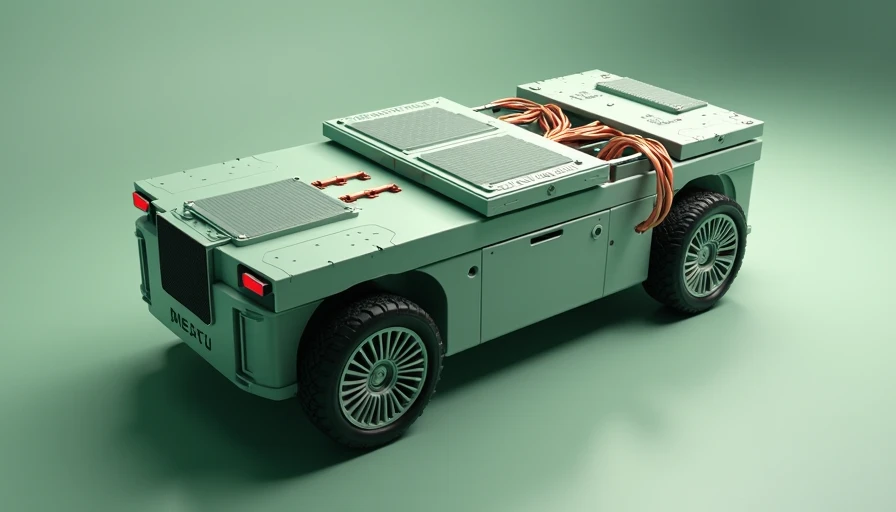
At a basic level, EV battery thermal management controls battery temperature so the pack stays in its ideal operating window. Lithium-ion batteries do not love extremes. Too hot, and chemical degradation speeds up. Too cold, and charging and power output drop fast. The system uses hardware like coolant loops, pumps, heat exchangers, sensors, and software logic to keep temperatures balanced across the pack.
That matters because the battery is the most expensive component in the vehicle. Thermal control protects it during DC fast charging, highway pulls, repeated acceleration, towing, and even simple summer parking-lot heat soak. Air-cooled designs existed in earlier EVs, but most modern long-range models use liquid cooling because it is better at moving heat quickly and evenly.
By the Numbers:
- Battery packs generally perform best around moderate temperatures, not at the extremes
- Fast charging creates significant heat, especially above lower state-of-charge levels
- Uneven cell temperatures can reduce performance and long-term durability
The number they're showing vs. the number that matters: range is easy to market, but temperature control is what helps an EV repeatedly deliver that range and charging performance in the real world.
Why it affects charging speed, performance, and battery life
If you have ever looked at charging curves, you already know peak charging speed is only half the story. The better metric is how long the vehicle can sustain high power before tapering. That is where EV battery thermal management separates leaders from followers. A pack that stays within its target temperature window can keep accepting more power for longer, cutting road-trip time in a meaningful way.
Performance is also tied to heat. Under hard acceleration or repeated runs, the battery and power electronics generate substantial thermal load. Good thermal design helps the vehicle deliver consistent output instead of pulling power after one or two strong bursts. That is especially relevant for performance EVs from Tesla, Hyundai, Kia, Porsche, Lucid, and Rivian, where repeatability matters more than one flashy launch-control number.
Battery life is the long game. Heat is one of the biggest contributors to battery degradation, especially when combined with high state of charge. That does not mean a hot climate automatically ruins an EV, but it does mean robust thermal management is a real ownership advantage. In analyst terms: it improves durability of the asset, not just the brochure spec.
The systems smart shoppers should look for
Not all thermal systems are equal, and the differences are worth understanding. The best setups usually combine liquid cooling with active heating, intelligent preconditioning, and software that coordinates the battery with navigation and charging stops. If a vehicle can precondition the pack before arriving at a DC fast charger, it can dramatically improve charging consistency in cold weather and sometimes in very hot conditions too.
Heat pumps also matter, though they are not the same thing as battery cooling. A heat pump improves overall thermal efficiency by moving heat instead of creating it resistively, which can help cabin comfort and winter efficiency. In some vehicles, the broader thermal architecture allows waste heat to be shared intelligently across the cabin, battery, and drivetrain.
By the Numbers:
- Liquid-cooled packs are now standard on most mainstream and premium long-range EVs
- Battery preconditioning is increasingly available, but not always standard on lower trims
- Heat pumps are common on newer EV platforms, though some brands still make them optional
My rule: if you road-trip, live in a hot climate, or plan to keep the car beyond a short lease, skip the vague marketing and ask exactly how the pack is cooled and whether manual or automatic preconditioning is included.
How major EV brands generally compare
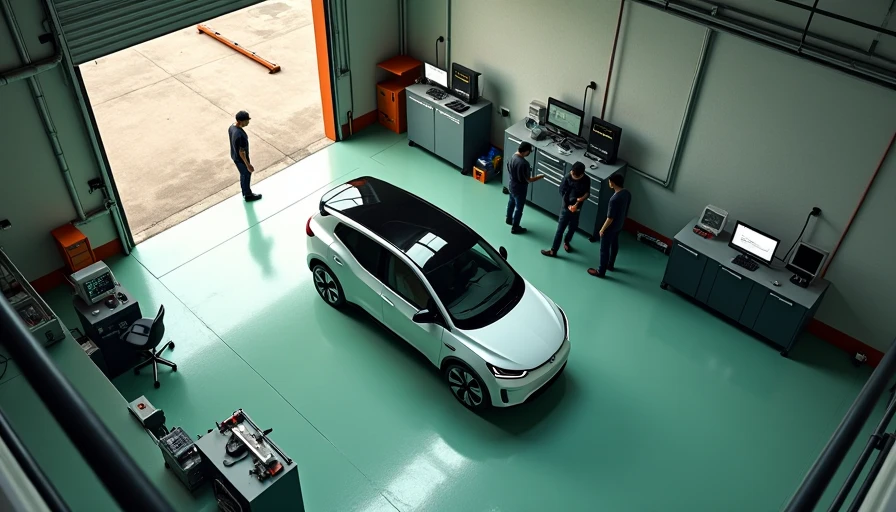
Tesla helped normalize battery preconditioning and generally strong fast-charging integration, especially within its route-planning ecosystem. Hyundai and Kia have improved significantly, with newer E-GMP models offering competitive charging performance when conditions are right. Porsche and Lucid tend to engineer for sustained performance at a high level, which is exactly where thermal management shows up on the road, not just in spec sheets.
GM's Ultium-based products and Ford's newer EV efforts also place heavy emphasis on liquid cooling and software control, though charging consistency can still vary by model, battery size, and software version. Rivian has focused on robust thermal systems for larger vehicles that may tow, climb grades, or operate off-road, all of which create extra load.
This is the key point: do not rank brands by one peak kW screenshot. Rank them by charging curve, repeat acceleration, winter behavior, and hot-weather consistency. On the CaliperScore rubric, that rates higher than marketing language about intelligent energy management, because the real test is whether the car behaves well on your third fast-charge stop, not your first press-drive loop.
What to check before you buy an EV
If you are cross-shopping EVs, put EV battery thermal management directly into your buying checklist. Ask whether the pack is liquid-cooled, whether the vehicle supports automatic battery preconditioning through navigation, and whether owners report stable DC fast-charging on back-to-back sessions. Then look for real-world testing from trusted outlets that publish charging curves and cold-weather results.
You should also think about your use case. Apartment charging plus frequent public fast charging puts more importance on thermal management than overnight Level 2 charging at home. Hot-climate commuting in places like Texas, Arizona, or Nevada raises the value of strong cooling. Ski-trip driving or northern winters make preconditioning and cold-weather charge acceptance much more important.
The bottom line is simple: EV battery thermal management is not a niche engineering detail. It is one of the best predictors of whether an EV will feel polished, efficient, and durable after the honeymoon phase. If two vehicles are close on price, I would often take the one with the better thermal strategy over the one with a slightly bigger advertised range. That is the spreadsheet answer and, more importantly, the ownership answer.


