Three years ago, nobody predicted this. Here's the data that proves it: the **NACS vs CCS charging standard** debate went from niche forum argument to one of the biggest EV buying factors in the US. If you're shopping for an electric car today, the plug on the fender matters almost as much as battery size or lease payment. My blunt take: for most US buyers, NACS has the momentum advantage, but CCS still matters because the installed base is huge and millions of charging sessions still run through it.
The useful question is not which connector looks better in a press photo. The useful question is which standard gives you easier road trips, fewer failed sessions, and less adapter drama over the next three to five years. That is where this comparison gets practical.
What NACS and CCS actually are
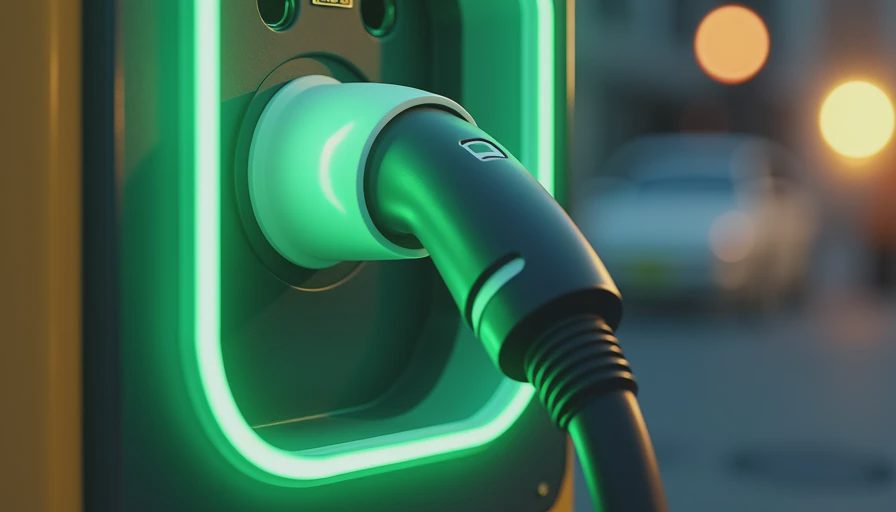
NACS stands for North American Charging Standard, the connector design originally used by Tesla and now adopted by a long list of automakers for the US market. CCS, short for Combined Charging System, has been the mainstream non-Tesla fast-charging standard across North America for years. Both can handle AC charging and DC fast charging, but they do it with different connector designs and different network histories.
By the Numbers: NACS is physically smaller, lighter, and easier to handle with one hand. CCS is bulkier because it combines a J1772-style upper section with two large DC pins below. In daily use, that matters more than spec-sheet people want to admit. A better ergonomic design reduces cable strain and just feels less clumsy in bad weather or tight parking spots.
The number they're showing vs. the number that matters: published peak charging power is not the whole story. A 250 kW or 350 kW label looks great, but session reliability, charger uptime, payment flow, and preconditioning support are what determine whether your stop is 18 minutes or 45.

Why NACS has become the market favorite
The reason NACS surged is simple: Tesla built the best-known fast-charging experience in the US, and automakers decided buyers wanted access to it. Ford, GM, Rivian, Volvo, Polestar, Mercedes-Benz, Nissan, and others have announced moves toward NACS ports or NACS access strategies. That is not hype; it is a network-access decision tied directly to customer convenience.
Tesla Superchargers built their reputation on dense placement, simpler plug-in flow, and generally strong uptime. Not every site is perfect, and not every Supercharger is open to every non-Tesla vehicle yet, but the real-world advantage is obvious. If you road-trip often, access to that network can reduce planning stress immediately.
My analyst view: NACS is winning because it combines a user-friendly connector with the strongest charging brand in the market. It is not just a plug shape story. It is an ecosystem story. A superior connector without a reliable network would not have flipped the industry this quickly.
Where CCS still holds real value
If this were a pure knockout, the **NACS vs CCS charging standard** conversation would already be over. It is not, because CCS still has two major strengths: scale and compatibility. There are a lot of CCS vehicles already on the road, and major public networks like Electrify America, EVgo, ChargePoint, and others built large portions of their DC fast-charging footprint around CCS.
That means a current CCS owner is not stranded in some outdated tech dead end. Far from it. In many metro areas and along major interstate corridors, CCS access is still broad. Plenty of new EVs can charge very quickly on CCS hardware, especially 800-volt models from brands like Hyundai, Kia, Porsche, and Lucid when paired with the right station.
The caution flag is consistency. CCS as a standard is capable, but the charging experience depends heavily on station maintenance, software integration, payment systems, and whether a site has enough functioning stalls. That variability is the biggest reason many buyers started caring about **NACS vs CCS charging standard** in the first place.
Adapters, access, and the messy transition period
Here is the part shoppers need to understand: the next few years are transitional, not binary. A lot of drivers will use adapters. Some NACS vehicles will rely on CCS adapters at older public stations. Some CCS vehicles will use approved adapters to reach compatible Tesla Superchargers. So when people ask which standard to buy, the smarter question is how cleanly your vehicle supports both ecosystems.
By the Numbers: a good factory-approved adapter can preserve flexibility, but it does not erase all differences. Charging speed can still depend on vehicle software, station capability, cable cooling, battery temperature, and whether your car can precondition before arrival. Estimated charging gains from adapter access vary widely by vehicle and route, so I would not assume equal performance everywhere.
My advice is practical: if you are buying in 2025, prioritize a vehicle with native NACS or a clear, manufacturer-supported NACS path. But also make sure it has solid CCS compatibility because the existing public charging map still matters. The winning strategy is optionality.
What matters most for your next EV purchase
For a young professional comparing monthly payments, commute costs, and weekend-trip usability, here is my verdict on the **NACS vs CCS charging standard** question. If you charge at home 90% of the time, the connector choice matters less than people online claim. Home charging is the real quality-of-life feature. But if you do frequent intercity travel, apartment living, or regular public charging, NACS is now a meaningful advantage.
On the CaliperScore rubric, this rates as a buying-factor upgrade, not just a tech footnote. I would score charging access as more important than a small horsepower bump or a flashy touchscreen. A cheaper EV with awkward public charging can feel more expensive in time, stress, and trip friction.
My bottom line: NACS has the better future position in the US, while CCS remains essential during the transition because of its large installed base. If you are choosing between two otherwise similar EVs, I would lean toward the one with native NACS access or the strongest roadmap to it. Skip the connector tribalism and buy for real-world charging convenience. That is the number that matters.
No comments yet.