Three years ago, nobody predicted this. Here's the data that proves it: for most new EV shoppers, charging confusion now blocks more purchase decisions than range anxiety. That is exactly why **EV charger types explained** matters. If you understand the three core categories—Level 1, Level 2, and DC fast charging—you can predict real-world convenience, home setup cost, and road-trip usability before you buy the car. My blunt take: most people overvalue peak fast-charge numbers and undervalue the charger they will use 90% of the time.
The three charger types that matter
At the highest level, EV charging breaks into three buckets. Level 1 uses a standard 120-volt household outlet. It is the slowest option, but it is also the cheapest to start with because many EVs include a portable charge cord. Level 2 uses 240 volts, similar to an electric dryer outlet, and is the sweet spot for daily charging at home, apartments, and workplaces. DC fast charging skips the car's onboard charger and sends high-power direct current to the battery, which is why it can add meaningful range during a coffee stop instead of overnight.
**By the Numbers:** Level 1 often adds roughly 3 to 5 miles of range per hour. Level 2 commonly adds around 15 to 35 miles per hour depending on the car and circuit. DC fast charging can add roughly 100 to 200-plus miles in about 20 to 40 minutes on a well-matched vehicle and charger.
The number they're showing vs. the number that matters: shoppers love hearing “250 kW peak,” but daily life usually comes down to whether your car can refill overnight on Level 2. That is the practical lens to use.
Level 1 charging: slower than most buyers expect
Level 1 charging is the default answer if you do nothing. Plug the car into a normal wall outlet and it charges. For plug-in hybrids, that can be enough. For full EVs, it depends on your driving pattern. If you drive 20 to 30 miles a day and can leave the car plugged in every night, Level 1 might keep up. If you commute farther, stack errands, or share a driveway outlet, it usually falls behind.
The upside is obvious: near-zero setup cost if your outlet is in good condition and located where the car can reach safely. The downside is time. A larger battery can take multiple days to fully recharge from low state of charge. That is not a problem if you rarely drain it, but it becomes frustrating fast if your weekly routine is busy.
My analyst view: Level 1 is best treated as a bridge solution, a backup plan, or a fit for low-mileage drivers. If you are shopping with a spreadsheet, assign it high affordability and low convenience.

Level 2 charging: the best answer for most households
If you want the one charger type that solves the most problems, it is Level 2. This is the reason so many EV owners say charging feels easier than gas after the first month. Plug in at night, wake up full enough for the day, repeat. Most home Level 2 stations are hardwired or plugged into a 240-volt outlet, and installed costs often land anywhere from a few hundred dollars to around $2,000 depending on panel capacity, wiring distance, and labor. That range is broad because homes vary a lot.
**By the Numbers:** A common 32-amp to 48-amp Level 2 setup can fully cover the daily needs of most drivers. Even many larger EVs can recover a full commute in just a few hours.
This is also where the plug conversation matters. Most non-Tesla EVs in the US historically used J1772 for AC charging, while Tesla used NACS. The market is shifting toward NACS, and many automakers are adopting it. Adapters exist, but before you buy a wall unit, check your vehicle's port and your likely next vehicle too.
My recommendation is simple: if you own your home and plan to keep an EV for more than a year, Level 2 is usually the highest-value charging upgrade you can make.
DC fast charging: important, but not your everyday hero
DC fast charging gets the headlines because the speeds are dramatic, and to be fair, it matters a lot for apartment dwellers, frequent travelers, and drivers without reliable home charging. But this is where marketing language can distort reality. A car rated for 250 kW peak does not hold that speed for an entire session. Charging typically starts fast, then tapers as the battery fills. Battery temperature, state of charge, weather, and charger health all affect results.
That means two EVs with similar peak numbers can deliver very different 10% to 80% charging times. In real use, that time window is the metric I care about most. It tells you whether a road-trip stop feels efficient or annoying.
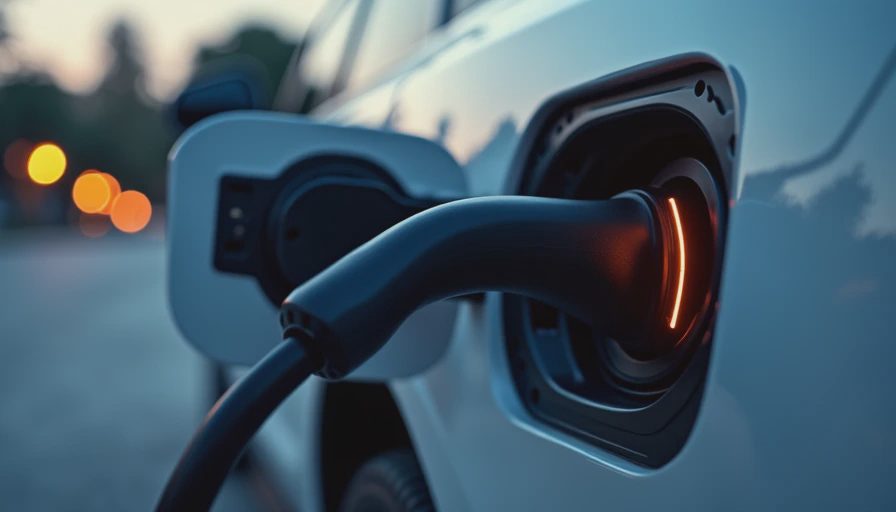
Cost matters too. Public DC fast charging is usually more expensive per kWh than home charging, and sometimes priced by time or session depending on the network and local rules. Networks like Tesla Supercharger, Electrify America, EVgo, and ChargePoint all play different roles, but none changes the core math: fast charging is a convenience tool, not usually the cheapest way to fuel your EV.
Connectors, compatibility, and the mistakes to avoid
A lot of confusion around **EV charger types explained** is really connector confusion. Charger level and plug type are related, but they are not the same thing. Level 1 and Level 2 describe power delivery category. J1772 and NACS describe AC connector formats. CCS and NACS can support DC fast charging depending on the vehicle and network.
The easiest mistake is buying hardware before mapping your use case. Start with four questions: Do you have home charging access? How many miles do you drive weekly? Do you road-trip often? Is your electrical panel ready for a 240-volt circuit? If your answers point to nightly home charging, prioritize a reliable Level 2 install over obsessing about the biggest public fast-charge number on the spec sheet.
The second mistake is ignoring charging curves and battery preconditioning. Some EVs arrive at a fast charger with the battery already warmed or cooled for better speed. Others do not. That can change road-trip time more than a flashy peak-kW claim.
What charger type should you actually choose?
Here is the short version. If you are a low-mileage driver or own a plug-in hybrid, Level 1 can work, especially as a no-cost starting point. If you own a battery EV and have access to home charging, Level 2 is the best all-around answer for convenience, time savings, and long-term satisfaction. If you live in an apartment, drive for work, or road-trip often, DC fast charging access becomes far more important—but I would still evaluate where you will charge most of the time, not just fastest.
On the CaliperScore rubric, this rates as a practical decision, not a gadget decision. The best charging setup is the one that fits your routine with the fewest workarounds. If you are shopping EVs right now, use **EV charger types explained** as your filter: match the charger to your life, then match the car to the charger. That order saves money, avoids buyer's remorse, and makes EV ownership feel easy from day one.
No comments yet.