Three years ago, nobody predicted this. Here's the data that proves it: plug in hybrids are no longer the awkward middle child of the car market. For the right driver, they are the best-value way to get EV-like commuting, gas backup for road trips, and a lower-risk ownership experience than jumping straight into a full battery electric vehicle. If plug in hybrids sound like a compromise, that is exactly why they work. They only make sense when the compromise lines up with your actual life, not the marketing brochure.
The first filter is simple. If your weekday driving is short, predictable, and mostly home-based, a PHEV can cover a big chunk of that mileage on electricity alone. If you routinely park on the street, drive long distances every day, or never want to think about charging, the math gets worse fast. That is the whole game. On my spreadsheet, the winning powertrain is the one that matches your real schedule, not the one with the flashiest badge.
Why plug in hybrids still make sense for a lot of buyers
For plug in hybrids, the biggest advantage is optionality. You get a battery and motor for short trips, then a gasoline engine for everything else. That means fewer charging panic moments than a full EV and far fewer fuel stops than a traditional SUV or sedan. A typical electric-only range of roughly 25 to 50 miles can cover a commute, daycare run, and gym stop without burning fuel, as long as you plug in most nights.
That matters because the value equation is usually behavioral, not theoretical. A buyer who charges at home can turn a 14-mile round trip into an electric errand. A buyer who never plugs in turns the same car into a heavier, more expensive hybrid with a battery that is not earning its keep. By the Numbers: the difference between "I charge three or four times a week" and "I forget about it" can be hundreds of dollars a year in fuel.
The sweet spot is usually a garage or driveway with overnight charging and a commute under 30 miles each way. In that setup, models like the Toyota RAV4 Prime, Kia Sportage PHEV, Hyundai Tucson PHEV, and Ford Escape PHEV make real sense because they can cut gasoline use without forcing a second vehicle in the household.
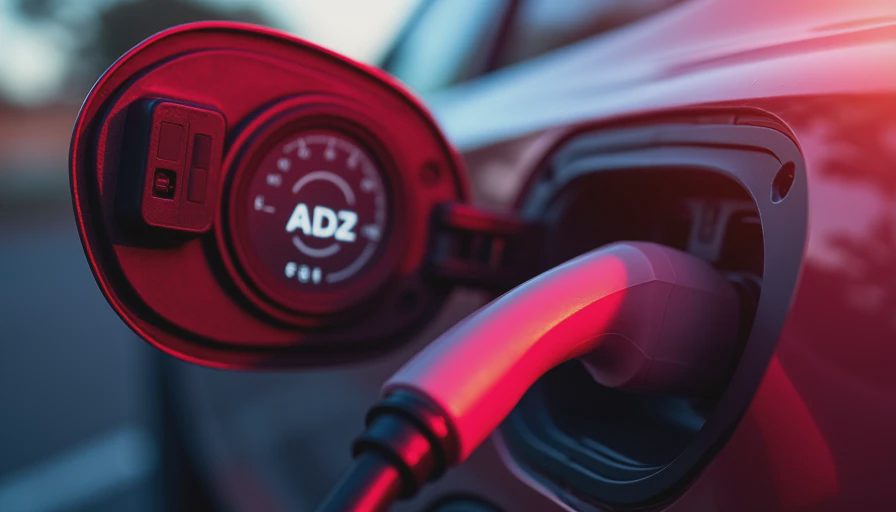
The number they're showing vs. the number that matters
The number they're showing on the window sticker is often electric range, combined mpg, or total system horsepower. The number that matters is your cost per mile over 12 months. That is where plug in hybrids can surprise people. A driver with a 40-mile daily commute and home charging can spend most weekdays on electricity, then use gas only on weekends or road trips. Another driver with the same car but no charging access may see fuel economy closer to a conventional hybrid and pay more for the added battery hardware.
The other number that matters is charging speed. Many PHEVs use a Level 2 charger overnight in about 4 to 8 hours, depending on battery size and onboard charger limits. Some can still charge from a standard 120-volt outlet, but that is slow enough that it only works well for low-mileage drivers. If you can charge at work or at home, the car becomes much easier to justify. If you cannot, treat the battery as a bonus, not the business case.
This is also where model choice gets real. A Jeep Wrangler 4xe makes sense for a driver who wants off-road capability and short electric hops, even if it is not the most efficient option on paper. A Volvo XC60 Recharge fits a buyer who wants luxury and a quieter commute. Different use cases, different winners.
How to tell whether your daily drive fits the formula
The best plug in hybrids are the ones that match your commute, your parking, and your patience. Start with a simple audit. Write down your normal round-trip weekday mileage. Then add the errands you stack onto that route. If the total lands below the battery range on most days, you are in the target zone. If it does not, you should either move up to a longer-range PHEV or skip straight to a full EV or conventional hybrid.
Next, check where you will charge. A home outlet works for some drivers, but a Level 2 setup is much cleaner if you plan to use the battery every day. Public charging can help, but it should not be the foundation of your ownership plan unless you enjoy logistics. A lot of shoppers ask whether they need perfect charging access. The answer is no. They need consistent charging access.
I would also look at winter behavior if you live somewhere cold. Battery range drops when temperatures fall and cabin heat is on, so the 40-mile estimate on the brochure may not be your winter reality. That is not a reason to avoid the segment. It is a reason to size the battery with some cushion.

Costs, charging habits, and where plug in hybrids win
The cost case for plug in hybrids is strongest when gasoline is expensive, charging is cheap, and the daily drive is repetitive. In that setup, the engine becomes backup insurance instead of the star of the show. If your electricity rate is reasonable, even modest electric-only use can move the needle. If your home rate is high, the savings shrink, but the convenience advantage can still justify the purchase.
This is also where incentives can matter, though they are not guaranteed to be simple or universal. Federal and local rules change, and not every model qualifies in every year. So I would treat incentives as upside, not the core argument. The core argument is still the same: if you can do most of your miles without gasoline, a PHEV can lower operating stress while keeping road-trip flexibility.
Maintenance is another small win. You still have an engine, oil changes, and coolant systems, but the engine often runs less than in a gas-only car. Brake wear can also be lighter because regenerative braking does part of the work. That does not make ownership free. It just changes where the money goes.
Three buyer profiles that should look hard at one
If you are a condo dweller with a predictable commute and workplace charging, this segment deserves a serious look. If you are a suburban driver who takes one or two long road trips a month, it is even better because the gas engine removes the route-planning anxiety. If you are shopping for a family vehicle and want a single car that can handle errands, school pickup, and a vacation drive, the formula is strong.
The profile that should hesitate is the apartment parker who cannot charge regularly and drives enough miles to keep the engine on most of the time. In that case, you are paying extra for a battery that you will not use enough. A conventional hybrid may be the cleaner buy. A full EV may be the better choice if charging access improves. The key is to buy the use case, not the trend.
On the CaliperScore rubric, this powertrain rates best when it solves a real charging gap instead of pretending to be something it is not. That is why plug in hybrids keep winning converts in 2025: they fit a lot of actual lives better than either extreme. If you want the low-drama path into electrification, this is the lane to shop first.
No comments yet.