The 57 chevy bel air 4 door hardtop is one of the most recognizable American classics, but recognition does not automatically equal value. The important distinction is condition, originality, documentation, and drivetrain—not just the amount of chrome visible in a listing photo. Chevrolet produced several 1957 body styles, and the four-door hardtop, commonly called the Sport Sedan, combines the visual impact of a Bel Air with more usable cabin space than a two-door model.
My buying rule is simple: pay for structure and history first, cosmetics second. A freshly polished car with hidden rust can consume $15,000 to $30,000 in repairs. A less glamorous example with solid floors, clean paperwork, and a complete interior can be the smarter spreadsheet decision.
What makes the 1957 Bel Air hardtop different
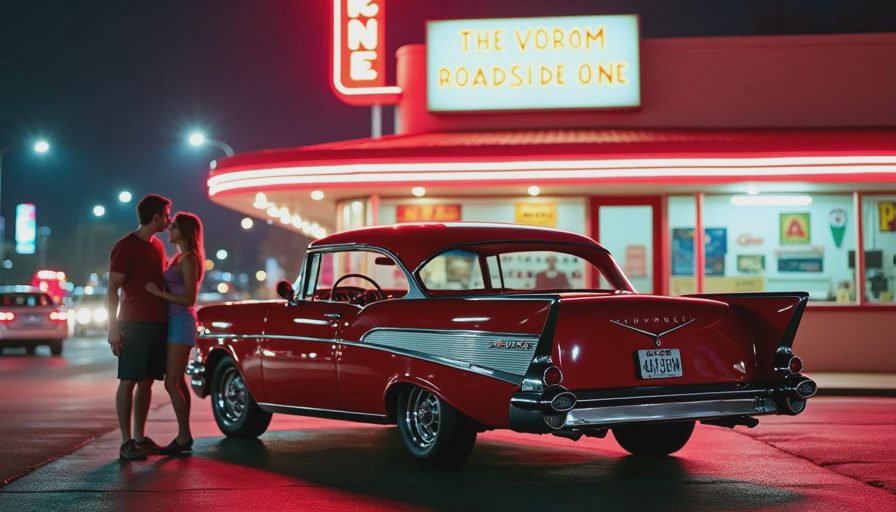
The 1957 Chevrolet lineup included the 150, 210, and Bel Air series. The Bel Air sat at the top of the range and carried the most recognizable trim, including extensive stainless accents, distinctive rear fins, and the broad front grille that defines the model year. The four-door hardtop used frameless side glass and no fixed center B-pillar, giving it an open appearance when the windows were lowered.
That configuration matters because it is not the same as a conventional four-door sedan. A sedan has a fixed pillar between the front and rear doors, while the hardtop has a cleaner side profile and more complicated window mechanisms. The extra mechanisms can raise restoration costs, especially if regulators, tracks, weather seals, or glass are missing.
Most 1957 Bel Air cars used Chevrolet's small-block V8 options, although six-cylinder cars also existed. Factory equipment varied, so a buyer should not assume every car has the same engine, transmission, brakes, or accessories. A three-speed manual, two-speed Powerglide automatic, and other period combinations appear in the market. Verify the identification numbers and casting dates before assigning a premium for originality.
By the Numbers: a factory-style restoration can involve more than 1,000 labor hours, while a driver-quality mechanical refresh may require a fraction of that effort. Those are planning estimates, not universal shop quotes.
Current value: condition beats the badge
Pricing for a 57 chevy bel air 4 door hardtop spans a wide range. Non-running projects can appear below $10,000, but transport, rust repair, missing trim, and incomplete interiors can quickly erase that apparent discount. Usable drivers often fall roughly in the $25,000 to $45,000 range, while strong restorations and documented show-quality examples can exceed $60,000. These are broad market estimates based on typical enthusiast listings, not a guaranteed appraisal.
The number they're showing versus the number that matters is often the restoration gap. A $20,000 car needing $25,000 in work is economically different from a $38,000 car that needs $4,000 of sorting. Neither calculation includes storage, registration, insurance, or the value of your own labor.
Paint quality also needs context. A respray with straight panels can be attractive, but poor bodywork may hide waves, filler, or repaired collision damage. Inspect door gaps, trunk seams, rocker panels, the lower rear quarters, and the area around the windshield. Bring a magnet, flashlight, paint-thickness gauge if available, and a second person who is willing to ignore the color.
For a 57 chevy bel air 4 door hardtop, original trim can be unusually important. Reproduction parts exist, but complete stainless moldings, emblems, glass, seats, and dashboard components still affect both authenticity and budget.
A practical inspection scorecard
Start underneath. Check the front crossmember, frame rails, body mounts, floor braces, trunk floor, and rear wheel wells for rust or amateur patches. Surface oxidation is a manageable cosmetic issue; perforation in structural areas is a negotiation event. Moisture damage around the windshield and rear window deserves equal attention because trapped water can attack metal from inside.
Next, assess the drivetrain cold. The engine should start without excessive smoke, oil pressure should be credible for the engine's condition, and the transmission should engage without a severe delay or hard impact. A test drive should include low-speed steering, braking from several speeds, and a check for overheating in traffic. Classic drum brakes can work well when properly maintained, but they do not deliver the feel or fade resistance of a modern performance car.
Then test every window and latch. A hardtop's frameless glass needs correct alignment to seal against the roof and weatherstrip. Wind noise is expected in an old car; water entering the cabin is a repair signal. Inspect wiring for brittle insulation, non-fused accessories, and improvised connections. A modern fuse panel, hidden Bluetooth audio, or electronic ignition can improve usability, but modifications should be documented.
A simple score can keep emotion from taking over: structure 40 points, mechanical condition 25, completeness 15, documentation 10, and cosmetics 10. Reject any car scoring below 25 of 40 on structure unless the price clearly supports a full restoration.
Ownership costs for a modern buyer
Fuel economy is not the reason to buy a 57 chevy bel air 4 door hardtop. Depending on engine, gearing, tire size, tune, traffic, and driving style, a period V8 classic may return roughly 10 to 16 miles per gallon. Treat that range as an estimate, not a factory rating for every configuration. At $3.50 per gallon and 3,000 annual miles, fuel alone could cost about $656 to $1,050 per year.
Insurance is usually more manageable when the vehicle qualifies for a classic policy, but mileage limits, storage requirements, agreed-value coverage, and eligibility rules vary. Agreed value means the insurer and owner establish the covered vehicle value in advance, unlike a standard policy that commonly relies on actual cash value after a covered loss. Ask about coverage for spare parts, towing, and driving to shows or club events.
Budget $1,000 to $3,000 annually for routine sorting on a usable example, excluding major paint, rust, engine, or transmission work. Tires, hoses, belts, brake cylinders, battery cables, fluids, and weatherstripping are small individually but add up quickly. A secure garage is not optional for a valuable restoration; outdoor storage accelerates paint, rubber, and interior deterioration.
How it compares with modern transportation
The 57 chevy bel air 4 door hardtop scores high for design, mechanical accessibility, and social impact. It scores low for crash protection, efficiency, quietness, and daily convenience. There are no modern airbags, electronic stability control, driver-assistance systems, or current crash-test structure. That makes it a weekend vehicle, not a substitute for a contemporary commuter if your routine includes heavy traffic or long highway mileage.
An EV such as a used Chevrolet Bolt offers dramatically lower operating energy costs and modern safety technology, while a newer sedan provides reliable climate control, parts availability, and predictable cold starts. The classic wins a different comparison: it creates an event out of a short drive. My CaliperScore-style conclusion is 8 out of 10 for character, 5 for usability, 4 for efficiency, and 3 for passive safety.
That tradeoff can work for a young professional with a reliable daily driver, garage space, and a repair reserve. It is a poor fit for someone expecting appliance-like transportation from a 67-year-old car.
Buying checklist and final recommendation
Before making an offer, confirm the title matches the vehicle identification information, photograph the underside, inspect cold-start behavior, test all glass, and obtain a written inspection from a classic-car shop. Ask for receipts, restoration photos, engine numbers, transmission details, and evidence of where the car was stored. A pre-purchase inspection costing roughly $200 to $500 is cheap compared with one hidden structural repair.
For a 57 chevy bel air 4 door hardtop, I would prioritize a solid, complete driver over a flashy project. Spend more for documented metal, usable trim, and honest mechanical condition. Negotiate hard on missing glass, incorrect body panels, severe frame corrosion, and cars that cannot be driven onto a trailer under their own power.
The best purchase is not necessarily the rarest or most expensive example. It is the car whose condition matches your budget, tools, storage, and patience. Buy that match, and the Bel Air becomes an enjoyable piece of transportation history instead of an unfinished financial model.
No comments yet.