The 2023 Toyota Corolla Hybrid is the kind of car that looks boring on paper and smarter every time you run the numbers. In a market full of crossovers with bloated sticker prices and thirsty engines, this one does the opposite: it keeps the footprint small, the fuel bill low, and the ownership math easy to explain. If you are a young professional comparing monthly costs instead of chasing badge appeal, that matters more than another half-inch of screen size.
By the Numbers: 2023 Toyota Corolla Hybrid
Start with the figure that matters most: efficiency. In front-wheel-drive form, this sedan is rated around 50 mpg combined, with the city number especially strong for stop-and-go commutes. That is the sort of number you feel every week, not just in a brochure. A driver covering 12,000 miles a year and averaging 30 mpg would burn about 400 gallons of gas. At 50 mpg, that drops to about 240 gallons. Even at a modest $3.50 per gallon, that is roughly $560 saved in fuel every year before you count the occasional price spike.
The powertrain is not trying to win stoplight races. Toyota tuned this car for smoothness, not drama, and that is the right call for the buyer it is aimed at. The hybrid system is simple, proven, and easy to live with, which is why it has a better reputation for long-term durability than many first-year electrified competitors. Some trims also add all-wheel drive, which helps in wet or snowy climates without pushing you into a larger SUV.
What I like most is that the value story is not built on one gimmick. It is fuel economy plus a sensible cabin, plus easy-to-find service, plus a body style that does not attract attention from thieves or insurers the way a sportier car might. That is the kind of boring that shows up as savings over five years instead of a moment of excitement at delivery.
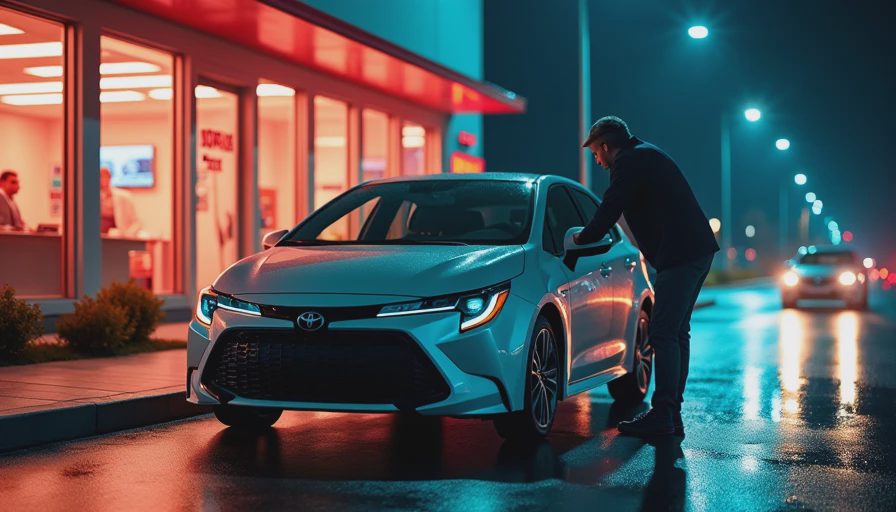
Where the Savings Actually Show Up
The biggest misconception about a hybrid like this is that the savings are only about gas. They are not. In real life, a compact sedan usually has easier tire shopping, cheaper brake jobs, and fewer body panels to replace than a larger crossover. That does not make ownership cheap in every zip code, but it does make it predictable. Predictability is valuable when you are trying to keep a car payment, insurance premium, and maintenance budget from stacking up all at once.
Insurance is part of that picture. A mainstream Toyota sedan usually sits in a friendlier bracket than a turbocharged performance car or a large three-row SUV. The number they are showing is the monthly premium quote. The number that matters is the total cost once you add your deductible, collision coverage, comprehensive coverage, and the commute you actually drive. If your record is clean and you are shopping multiple carriers, you will often see a wider spread than people expect. That is why I always tell readers to quote at least three companies before buying. I have seen differences of hundreds of dollars a year on similar compact cars.
There is also a hidden savings angle in the way this car fits city life. Parking is easier, turning around in tight lots is easier, and you are less likely to resent it on weekdays. That sounds soft until you compare it with a crossover that drinks more fuel, costs more to insure, and takes more space in a garage you already wish were larger.
Why the 2023 Toyota Corolla Hybrid Beats the Obvious Alternatives
If you are cross-shopping, the main temptation is usually a Prius or a bigger compact crossover. The Prius gives you the more dramatic efficiency headline, but it also pushes the styling and pricing conversation in a different direction. The Corolla Hybrid is the calmer choice: less attention, less size, and usually less sticker shock. For people who want a car that disappears into the routine, that is a feature, not a compromise.
Against a non-hybrid compact sedan, the hybrid case is simple. You pay more up front, then you make that difference back through fuel savings if you actually drive enough miles. If your annual driving is low, the payback takes longer. If you have a commute, ride-share pickups, or suburban errands that add up fast, the math improves quickly. That is why I would not sell this car as the perfect choice for everyone. I would sell it as the right choice for a specific kind of buyer: someone who wants a low-drama daily and plans to keep it long enough for the spreadsheet to matter.
The cabin follows the same logic. You are not getting luxury-car materials, but you do get a clean layout, reasonable tech, and the kind of controls that do not require a tutorial before the grocery run. For a lot of shoppers, that is exactly the sweet spot. It is the car equivalent of a dependable salary: not flashy, but very useful.
The Shopping Checklist I Would Use
If I were buying one today, I would focus on condition, not hype. On a used example, I would look first at service history, tire wear, and whether the car has any signs of curb damage or accident repair. Hybrids reward boring ownership, so a clean record matters more than a fancy option package. If the seller cannot explain maintenance or the brakes feel rough, keep moving.
I would also run insurance quotes before I signed anything. For a compact hybrid, the premium can swing a lot by address, deductible, and driver profile. A quote with a $500 deductible can look very different from one with a $1,000 deductible, and collision plus comprehensive coverage changes the math again. That is not a reason to avoid the car. It is a reason to budget like an adult instead of assuming all small sedans cost the same to own.
Finally, I would compare it against the total cost of a newer compact crossover, not just the monthly payment. Crossovers often win the emotional battle because they feel newer and taller. This car usually wins the spreadsheet battle because it asks less from you every month. That is why the 2023 Toyota Corolla Hybrid still belongs on a serious shortlist in 2025.

If the 2023 Toyota Corolla Hybrid is on your list, do the boring part first: quote insurance, estimate fuel, and compare the five-year total. That is where the real answer lives, and it is usually more interesting than the badge on the trunk.
No comments yet.