If you want a used EV that looks modern, charges fast, and does not feel like a compromise, the 2022 Kia EV6 is still one of the sharpest buys in the market. Three years ago, nobody predicted this. Here's the data that proves it: the car came in with real long-range capability, 800-volt charging hardware, and a cabin that feels closer to a tech product than a rental-spec commuter. For a lot of shoppers, that combination matters more than a badge, and it matters even more once the first-owner depreciation has already done some of the heavy lifting.
By the Numbers: why the 2022 Kia EV6 still stands out
The 2022 Kia EV6 rides on Hyundai-Kia's E-GMP skateboard, and that architecture is the whole story. Rear-drive versions were rated up to 310 miles of range, while dual-motor trims traded some efficiency for stronger acceleration and all-weather traction. On a properly rated DC fast charger, the battery can go from roughly 10 percent to 80 percent in about 18 minutes under ideal conditions. That is not a marketing talking point; that is the kind of spec that changes road-trip math.
By the Numbers: the number they're showing versus the number that matters is simple. A 310-mile estimate is nice, but if you can add a few hundred miles of range during a coffee stop, the car stops feeling like an EV science project and starts feeling normal. That is the competitive edge here, especially against older EVs that still make you plan around 50-kW charging like it is 2019.
Used pricing is where the conversation gets interesting. In a normal metro market, clean-title examples often land in the high-$20,000s to low-$30,000s depending on trim, mileage, and AWD. GT-Line and GT models cost more, but you are also paying for nicer seats, better wheels, and stronger performance. I would rather shop the best-condition Wind or GT-Line than chase the cheapest listing with unknown charging history. If you mostly drive city miles, the rear-drive setup is the better spreadsheet answer because it squeezes more miles out of every kWh and usually shows up cheaper on the used market.
The cabin still holds up well against newer crossovers because Kia did not treat the interior like an afterthought. The digital displays are wide and readable, the driving position is low enough to feel car-like, and the back seat gives real legroom without forcing you into SUV bulk. The front seats are comfortable enough for a two-hour stint, which matters more than a heated cupholder when you are sitting in traffic on I-35 or trying to make a weekend run with one charger stop.
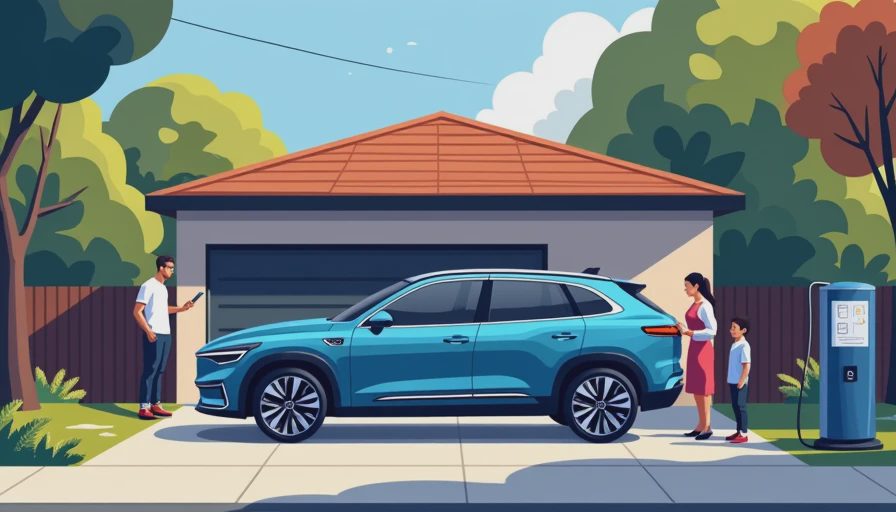
The trims I would target and the ones I'd skip
If I were spending my own money, I would focus on the versions that give the best mix of range, equipment, and resale resilience. The Light rear-drive trims are efficient, but the more common Wind and GT-Line versions tend to be the sweet spot because they bring useful features without pushing the sticker into luxury territory. AWD is worth it if you deal with snow, steep ramps, or wet commutes, but the efficiency hit is real, so do not pay for traction you will never use.
The GT is the outlier. It is fast enough to embarrass plenty of sports sedans, and that makes it fun, but it is not the rational pick for a spreadsheet shopper. If you care about insurance cost, tire wear, and everyday commuting, the money often makes more sense in a lower trim with the bigger battery and the options you will actually notice. This is where a lot of used EV shoppers get tripped up: they shop horsepower when they should be shopping usable range, charging speed, and condition. The GT-Line is also the trim where a lot of buyers get sucked into option creep, so check whether you are paying for wheels, audio, and a sunroof package that will not matter three winters from now.
A clean history report matters, but so does a boring previous owner. Short commutes, garage parking, and regular Level 2 charging are all good signs. If a listing says the car spent its life with one owner and normal mileage, that is the kind of sentence I want to see before I even request a test drive. I would also pull the original window sticker or build sheet if possible, because EV shoppers get burned when they assume every car has the same equipment and it does not.
What I would inspect before buying a 2022 Kia EV6
Before you sign anything on a 2022 Kia EV6, do a charging test, a tire inspection, and a full scan for open recalls. EVs are easier to maintain than gas cars, but they still have failure points. Tires can wear faster on AWD and GT variants because instant torque is not gentle. The 12-volt battery is also worth checking, because a weak auxiliary battery can create weird no-start or module errors even when the big battery is healthy.
I would also look closely at wheel condition, glass, and the front bumper area. EVs tend to pack radar, cameras, and sensors into places that are cheap to damage and expensive to fix. If the previous owner used public fast charging a lot, ask whether the car ever threw charging errors or needed software updates. A quick test on a Level 2 home charger and a DC fast charger tells you more than a polished listing ever will.
For a 2022 Kia EV6, I would not panic over every forum thread, but I would insist on paperwork that shows recall work if it has been issued for the VIN. That is the difference between buying a car and buying a project. The goal is to get the EV6 experience without inheriting somebody else's shortcuts. A pre-purchase inspection from a shop that has actually serviced EVs is worth the fee, because a generic scan tool is not the same thing as a technician who knows the platform.
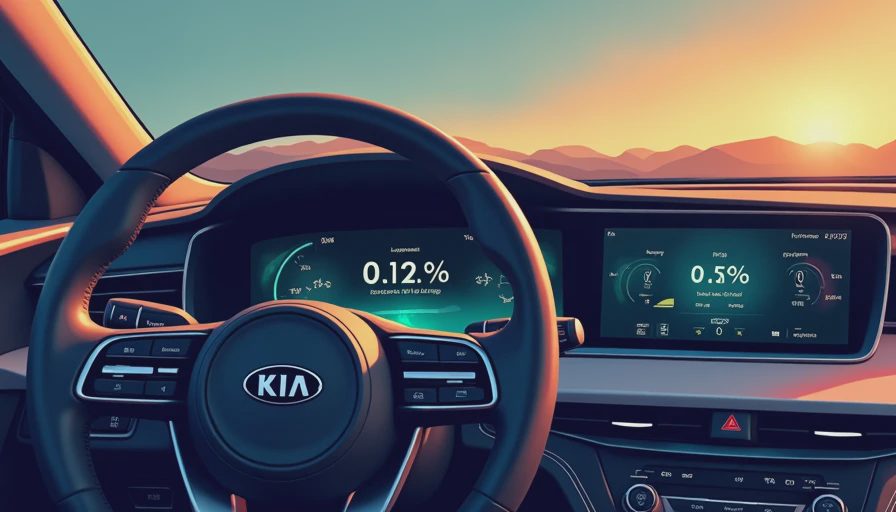
Insurance, charging, and daily cost reality
This is the part most shoppers underestimate. For the 2022 Kia EV6, insurance is often shaped less by the badge and more by repair complexity, parts pricing, and where you park it. A clean driver with a strong record can still see a premium bump versus a comparable gas crossover, especially if the quote includes comprehensive and collision. A $500 deductible versus a $1,000 deductible can move the monthly number more than trim level does, so quote both. If you are shopping a policy, ask about glass coverage, rental reimbursement, and roadside assistance too.
Charging cost is friendlier. If your home electricity rate is around 13 cents per kWh, a full 77.4-kWh pack costs roughly $10 before charging losses. That is the kind of math that makes a daily commute feel cheap. Public fast charging is a different story, especially on busy stations with higher per-kWh pricing, so the best owner profile is still someone who can plug in at home and use DC charging only when travel demands it. If you live in an apartment, map out your charging plan before you fall in love with the car.
On the CaliperScore rubric, this earns points for range, charging speed, and cabin packaging, then loses some for insurance sensitivity and the fact that depreciation has not fully finished its job yet. That is not a knock. It is a buying opportunity. The market has already done part of the haircut for you, and that is exactly why this model looks stronger as a used buy than it did on day one.
If you want a used EV that still feels ahead of the curve, the 2022 Kia EV6 belongs on the short list. I would put it near the top for shoppers who want long-range usability, fast charging, and a cabin that does not scream budget car. If you are cross-shopping a Tesla Model 3, Hyundai Ioniq 5, or a gas crossover, this is the one I would put on the same spreadsheet and compare on charging speed, insurance quotes, and the remaining factory coverage. Three years ago, nobody predicted this. Here's the data that proves it: the market moved toward exactly this kind of EV, and the best time to buy one is after someone else paid the first-round depreciation. If the listing checks out, move on the clean example before someone else does.
No comments yet.