The 2017 Toyota Prius Prime is one of the few plug-in hybrids I still recommend to spreadsheet shoppers who want real fuel savings without a lifestyle overhaul. If your commute is short, your garage has a normal outlet, and you want a hatchback that sips gas instead of gulping it, this car still makes sense. The catch is simple: you need to buy it like an analyst, not like a brand loyalist. Look at electric range, battery health, tire condition, and insurance before you fall in love with the badge.
By the Numbers: what the 2017 Toyota Prius Prime delivers
When new, this plug-in hybrid sat in the mid-to-high $20,000s before incentives, which is why it was never cheap but also never absurdly priced next to a first-gen EV. Its headline number was roughly 25 miles of EV range, enough to cover many errands, school runs, and office commutes without waking the gas engine. Once the battery is depleted, it behaves like a very efficient Prius hybrid and delivers fuel economy in the low-50s mpg range in mixed driving. That combination is the whole thesis: daily electric miles, gas backup for everything else.
The trim spread matters less than the powertrain, but it does change the shopping experience. Base cars give you the core efficiency story, while higher trims add comfort features and more tech. If you are comparing one example against another, the condition of the battery, the presence of a clean maintenance history, and the overall wear on the cabin usually matter more than a long options list. A clean, well-kept example can feel much newer than the mileage suggests, while a neglected one can turn into a repair budget fast.
Where this plug-in hybrid fits in daily driving
The sweet spot is a driver with predictable miles. If your round-trip commute is under 20 to 25 miles, you can do a lot of weekday driving on electricity alone and save gas for longer trips. In an apartment or condo setup, charging gets trickier, but a driveway outlet or a workplace charger changes the math quickly. I have seen this car make the most sense for young professionals who split time between city errands and highway weekends, because it avoids the two biggest ownership headaches at once: fuel stops and range anxiety.
The cabin packaging is also better than the numbers suggest. You get a hatchback shape, usable rear seats, and a cargo area that works for grocery runs, a luggage weekend, or a small apartment move. It is not a crossover, and that is part of the appeal. Less weight, less height, and less thirst add up. Three years ago, nobody predicted this. Here's the data that proves it: the cars that stay useful after the novelty fades are usually the ones that solve a boring daily problem well.

If you are cross-shopping a Corolla Hybrid, a Prius c-style economy car, or a newer compact EV, the question is not just sticker price. It is whether the car fits your charging reality. This one is happiest when you can plug in at home and let the electric miles do the cheap work. If you cannot charge regularly, the advantage shrinks, but the fuel economy remains strong enough that it still beats many nonhybrid compacts on running costs.
Insurance and ownership costs to model before you buy
This is where the spreadsheet gets real. The 2017 Toyota Prius Prime usually insures more like a compact hybrid than a premium EV, but repair costs can still be higher than a basic Corolla because of the battery pack, hybrid components, and charging hardware. That is why collision and comprehensive coverage deserve a serious look on any financed or higher-value example. A $500 deductible versus a $1,000 deductible can change the monthly premium in a way that matters over a 36-month ownership horizon.
Used prices are all over the map, but clean examples commonly live in the low-teens to low-$20,000s depending on mileage, trim, and battery condition. That makes it one of the more accessible plug-in options if you want a car that feels modern without stepping into full-EV pricing. For shoppers comparing quotes, the number they are showing vs. the number that matters is often the monthly total after insurance, charging, and maintenance. A car that saves $40 a month on fuel can lose some of that if the premium is materially higher than a normal hybrid, so quote it before you sign.
Routine upkeep is still Toyota-simple, but do not ignore the usual wear items. Tires on hybrids can wear unevenly if the car was driven hard or underinflated. Brakes usually last well because of regeneration, which is nice, but that also means a neglected car can hide rust or sticking hardware if it sat for long stretches. A clean service record and a recent inspection are worth real money.
What to inspect before you buy used
Start with the obvious: confirm that it charges properly, the charge port is intact, and the EV-mode behavior feels normal on a test drive. You want the electric portion to kick in smoothly, the transition to hybrid mode to feel seamless, and no warning lights on the dash. Then ask for maintenance records. I care about oil changes, 12V battery age, tire age, and whether the original charging cable is included. Losing the cable is not a deal breaker, but it is another cost you should model.
Next, inspect the battery and the car's broader age-related wear. You are not getting a lab test in a used-car lot, but you can still look for clues. A car that always seems to arrive at the test drive with a nearly empty battery may not be a problem if the seller just forgot to charge it, but repeated weird behavior should make you pause. Check the infotainment system, backup camera, climate controls, and all the little bits that make daily commuting pleasant. Then run the VIN through Toyota's recall lookup and the NHTSA database so nothing obvious is hiding in plain sight.
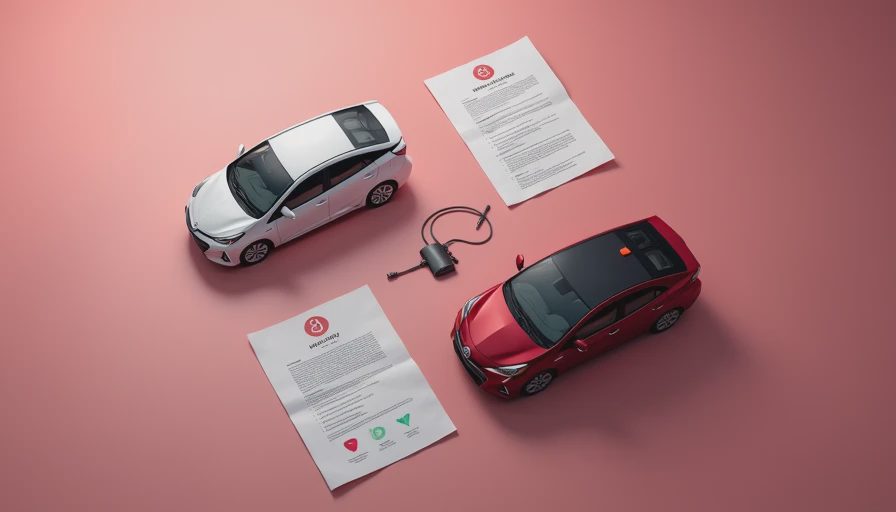
A quick drive on mixed roads is better than a five-minute loop around the block. You want to hear wind noise, feel the brake pedal, and see whether the transmission behavior is smooth under light throttle. If the car feels crisp, quiet, and honest, that is a good sign. If it shudders, clunks, or feels like the battery is not doing what the seller claimed, walk away and keep shopping.
If you are choosing between this car and a newer compact hybrid, the Prius Prime usually wins on operating cost and simplicity. If you need more cargo room or all-wheel drive, a different platform starts to make sense, but that is a separate budget conversation. The mistake is paying crossover money for a plug-in hybrid that you cannot charge.
My take: when this car beats a newer hybrid
The 2017 Toyota Prius Prime wins when you want low operating costs, a low learning curve, and enough electric range to knock out everyday driving without changing your life. It is not the best answer for every shopper, and it is not a substitute for a long-range EV if you can charge everywhere. But for a commuter who can plug in at home, it still hits a rare middle ground: cheap to run, easy to live with, and less stressful than a full EV on road trips.
On the CaliperScore rubric, that makes it a smart value play if the battery health is solid and the insurance quote does not blow up the math. I would rather buy a clean, well-documented example of this car than a newer vehicle with a mystery history and a lower sticker price. If you are shopping one today, compare two things before anything else: the actual monthly ownership cost and the condition of the battery-related systems. That is how you separate a bargain from a headache. The 2017 Toyota Prius Prime still rewards the driver who shops with numbers first and emotion second.
No comments yet.