The 1978 plymouth is not one car. It is a year identifier covering several very different vehicles, from the practical Volare to performance-oriented Road Runner variants and full-size Fury models. That distinction matters more than the badge when you are calculating value, maintenance, fuel use, and insurance. My short take: buy condition and documentation first, model name second. A clean, complete example can be an interesting low-cost entry into classic ownership, while a neglected project can consume several times its purchase price.
What you could actually be buying
Plymouth’s 1978 lineup reflected the late-1970s market: smaller body sizes, emissions equipment, softer performance, and a strong focus on reasonable operating costs. The Volare was the important compact platform, and some versions carried Road Runner branding and trim. The Fury name covered larger sedans and related body styles. Equipment, engine choice, transmission, and body configuration can change the buying experience substantially.
That is why online listings need to be decoded rather than compared at face value. A running four-door sedan with an automatic transmission is not directly comparable with a rust-free coupe featuring desirable trim. Factory options, replacement parts, restoration quality, and whether the car still has its original drivetrain can move the market more than an advertised model label.
For a first pass, record the VIN, body style, engine, transmission, mileage, title status, and selling region. Then photograph the floors, lower doors, frame rails, trunk, engine bay, and dashboard. Those images create a useful baseline before you spend money on inspection or transport.
By the Numbers: where the budget goes
A rough planning model is more useful than a single claimed average. In today’s collector market, a rough-running project may cost a few thousand dollars, while a usable driver can land in the mid-four-figure to low-five-figure range. A highly finished or unusually documented example can cost considerably more. These are planning estimates, not a live price guide, and local demand can change the result quickly.
The purchase price is only line one. Set aside approximately $1,000 to $3,000 for immediate sorting on a usable car, including fluids, belts, hoses, brake work, tires, battery, and neglected electrical repairs. A serious rust repair or drivetrain rebuild can add $5,000 to $15,000 or more. Paint and interior restoration can exceed those figures. The number that matters is total invested cost, not the attractive auction headline.
Fuel is another measurable tradeoff. A late-1970s V8 sedan will generally use more fuel than a compact four-cylinder car, but the exact result depends on gearing, tune, tire size, traffic, and driving style. If you drive 4,000 miles per year, a fuel difference of 8 miles per gallon can materially affect the annual budget. That is a better ownership question than arguing about an engine’s original brochure rating.
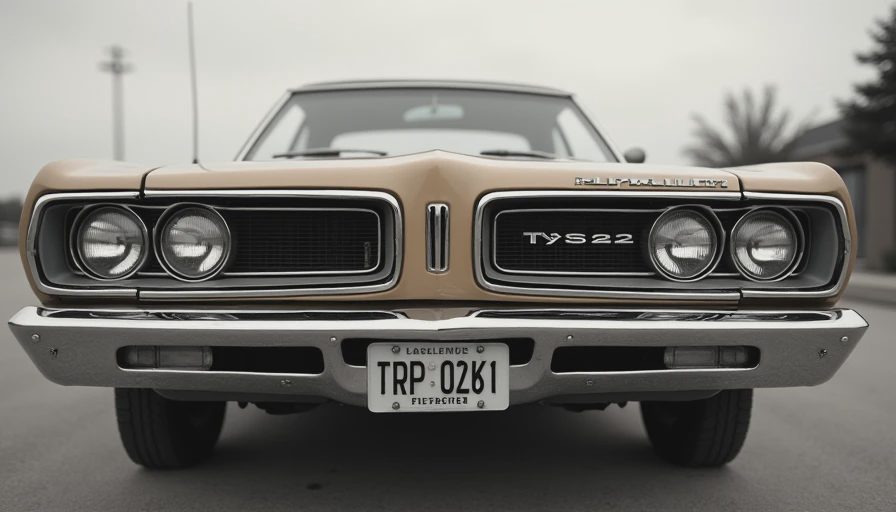
Inspecting a 1978 plymouth before purchase
Start underneath. Rust around suspension mounting points, frame sections, floor pans, and trunk seams deserves priority over faded paint. Surface rust can be manageable; perforation near structural areas can turn a cheap car into a fabrication project. Use a magnet carefully on suspiciously smooth panels, and inspect both sides of every repaired seam.
Next, check the braking system. Look for pulling, soft pedal travel, leaking wheel cylinders, damaged hoses, and old steel lines. A car that has sat for years may need a master cylinder, wheel cylinders, drums, shoes, and flexible lines even if it moves under its own power. That is a safety budget, not an optional upgrade.
Cold-start behavior also tells you more than a polished engine bay. Ask the seller not to warm the car before arrival. Listen for knocks, watch the exhaust, verify charging voltage, and test every light, gauge, window, lock, and heater function. Replacement electrical parts are available, but troubleshooting labor can become expensive because each small fault consumes diagnostic time.
Documentation has measurable value. A clear title, maintenance receipts, factory build information, and photos of prior restoration reduce uncertainty. Missing paperwork does not automatically disqualify a car, but it should reduce your offer because you are assuming more risk.
Insurance and ownership math
A 1978 plymouth may qualify for classic or collector-car insurance if it meets the company’s rules for age, condition, storage, mileage, and use. Policies often distinguish between agreed value and actual cash value. Agreed value establishes a covered amount with the insurer before a loss, while actual cash value generally reflects the vehicle’s market value after considering depreciation and condition. Read the valuation language carefully.
Collector policies can be attractive because limited-use vehicles often have lower annual mileage than daily drivers. They may also require secure storage, restrict commuting, or exclude routine errands. If you use the car for a daily trip to work, a standard policy may be more appropriate. Liability coverage remains important regardless of the vehicle’s age, and comprehensive coverage can address non-collision events such as theft, fire, weather, or animal damage when included.
Get quotes using the exact model, engine, body style, stated value, annual mileage, and storage address. A $100,000 restoration and a $7,000 driver should not be insured using the same assumptions. Ask whether spare parts, towing, roadside assistance, and inflation protection are included. Compare the deductible as well as the premium; a lower annual price with a large out-of-pocket loss may not fit your budget.
How it compares with a newer car
A 1978 plymouth can be cheap to acquire but expensive in time. A modern compact may cost more upfront while offering better fuel economy, electronic safety systems, air conditioning, rust protection, and predictable parts availability. The older car offers a simpler mechanical experience, character, and potentially stronger social value at local events. Neither advantage appears fully in a monthly payment calculator.
My spreadsheet separates fixed and variable costs. Fixed costs include registration, insurance, storage, and loan interest if applicable. Variable costs include fuel, tires, repairs, fluids, and restoration parts. For a hobby car driven 2,000 to 4,000 miles annually, storage and repair reserves can matter more than fuel. For a daily driver, reliability and safety dominate the score.
That framework also prevents a common mistake: comparing a clean restored car with a cheap project solely by purchase price. If the project needs $12,000 in bodywork and six months of downtime, the restored car may be the lower-cost decision even when its sticker is $8,000 higher.
My buying scorecard
On the CaliperScore rubric, I would score a 1978 plymouth across five categories: structural condition, mechanical readiness, documentation, parts accessibility, and total cost to usable condition. Structural condition receives the largest weight because rust repair is difficult to reverse economically. Documentation comes next because it improves confidence in both value and maintenance history.
Give each category a score from one to five, then write one sentence explaining the number. A car with a five for appearance but a two for structure is not an excellent car; it is an attractive risk. A plain sedan with solid floors, working brakes, a clear title, and strong records may deserve the higher total score.
Before making an offer, confirm the VIN, inspect the title, verify that the seller can demonstrate ownership, and arrange a pre-purchase inspection by someone familiar with older American vehicles. Budget for transport if the car is not road-ready. Do not let a rare color, nostalgic trim, or a seller’s restoration story replace evidence.
The best 1978 plymouth purchase is the one you can explain numerically: purchase price, immediate repairs, annual insurance, storage, and a realistic reserve. If that total still fits your lifestyle, the car can be a rewarding analog counterpoint to today’s software-heavy vehicles. If the numbers only work when every repair is assumed to cost zero, keep shopping.
No comments yet.