Three years ago, nobody predicted this. Here's the data that proves it: **EV charging network reliability 2026** is becoming almost as important as battery range in the real-world buying decision. If you are a young professional comparing a Tesla Model 3, Hyundai Ioniq 5, Ford Mustang Mach-E, or Rivian R2 reservation, the charging network is no longer a side note. It is part of the ownership experience, the road-trip math, and the stress level. A car with 300 miles of rated range still feels compromised if the charger you planned to use is offline, throttled, blocked, or confusing to activate.
Reliability is no longer just about finding a plug
Most shoppers still think charging is a coverage problem: are there enough stations on the map? In 2026, that framing is outdated. The better question is whether the station works when you arrive, whether enough stalls are open, and whether the site delivers close to advertised power. The number they're showing vs. the number that matters: a network can claim thousands of connectors, but if a meaningful share of sessions involve failed starts, derated speeds, broken card readers, or long queues, the driver experience falls apart fast.
This is why **EV charging network reliability 2026** should be evaluated with the same discipline you use for lease payments or depreciation. Look at stall count per site, recent station refreshes, app ratings, and whether plug-and-charge or automatic authentication is supported. Networks with larger sites generally recover better from one broken dispenser than four-stall locations do. Hardware consistency also matters. A network running too many charger generations at once often creates more variability in user experience.
By the Numbers:
- A 10-minute delay at a charger can erase much of the convenience advantage of faster charging curves
- A six- to twelve-stall site is usually more resilient than a two- or four-stall site
- Real charging speeds often land below peak advertised rates, especially at high battery state of charge
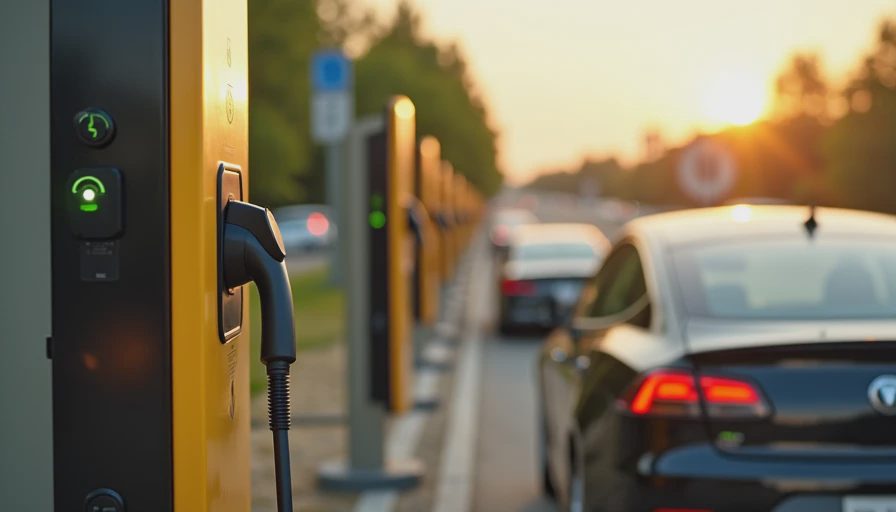
The Tesla effect is changing the whole market
The biggest shift behind **EV charging network reliability 2026** is simple: Tesla set the benchmark, and the rest of the market is being forced to catch up. For years, Tesla's Supercharger network won on uptime, straightforward payment, and site design. That did not mean every location was perfect, but the baseline experience was more consistent than most CCS fast-charging alternatives.
Now that more automakers are gaining access to Superchargers and the North American Charging Standard is becoming mainstream, the competitive pressure is real. Electrify America, EVgo, ChargePoint, Ionna, and regional operators all need to improve maintenance, software stability, and site redundancy. For shoppers, this is good news, but it also creates a transitional period. Some vehicles will have native NACS ports, some will rely on adapters, and some charging stations will remain mixed in performance and connector compatibility.
My blunt take: if you road-trip more than six times a year, network access should be scored almost like a vehicle feature. A great EV paired with weak charging support is not actually great. On the CaliperScore rubric, that lowers the ownership score, even if the car itself drives brilliantly.
What reliability looks like in real use
Let me make this practical. Reliable charging means four things: the charger starts on the first attempt, delivers stable power, has enough open stalls, and is located where a driver actually wants to stop. That last point is underrated. A charger behind a dealership gate or in a dim back corner of a parking lot is technically coverage, but not quality coverage.
For **EV charging network reliability 2026**, expect the best networks to focus on larger sites near highway corridors, better lighting, pull-through options for larger vehicles, and cleaner payment flows. Plug-and-charge matters because every extra app login or credit-card retry is another failure point. This is especially relevant for drivers who do not want charging to feel like troubleshooting consumer electronics.
By the Numbers:
- A charger rated at 350 kW does not mean your vehicle will charge at 350 kW
- Many EVs peak briefly, then taper quickly above 50% to 60% state of charge
- Larger battery packs reduce charging frequency, but they do not solve bad station uptime
The real shopping move is to match the car to the network reality. A Hyundai Ioniq 5 or Kia EV6 can charge extremely fast on the right hardware, but that advantage shrinks if station reliability is inconsistent. A Tesla Model Y may offer a less dramatic peak on paper than some rivals, yet the network experience often saves time over a full trip.
How to judge a network before you commit
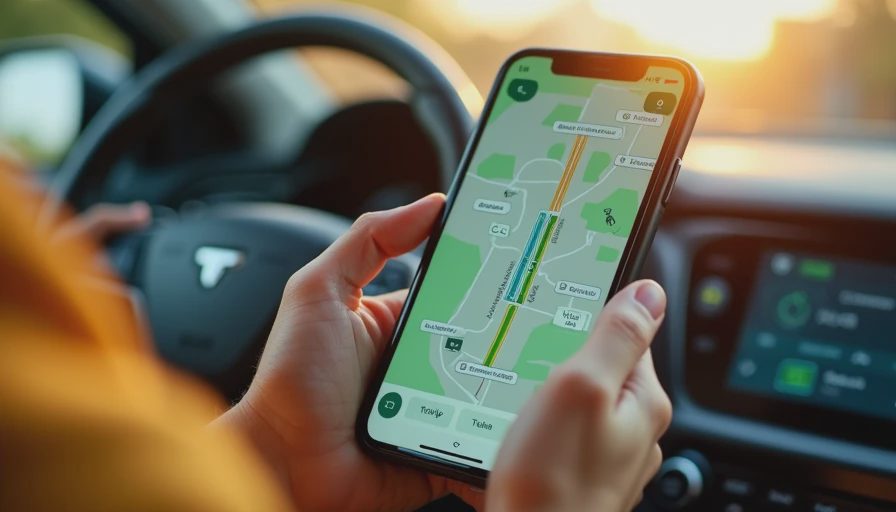
If you are shopping this year, do not rely on manufacturer marketing screenshots. Open multiple charging apps. Check recent user check-ins. Zoom into your actual commute and your two most common weekend routes. Then review at least one holiday corridor you would realistically drive. **EV charging network reliability 2026** is local before it is national.
I recommend a simple scoring method. Give each network points for site density, average stall count, payment simplicity, redundancy on your route, and compatibility with your target vehicle. If you live in an apartment or charge away from home often, increase the weight on public charging. If you have dependable home charging, you can place more weight on road-trip coverage.
Also pay attention to who is funding upgrades. New joint ventures and utility-backed installations could improve the landscape in 2026, but I would still treat announced plans as estimated future benefit, not current value. Until the stations are live and delivering solid uptime, they do not count in my spreadsheet.
Best strategy for buyers in 2026
Here is the actionable version. If you want the least charging friction, buy the EV with the strongest real-world fast-charging access in your region, not the one with the flashiest brochure number. If two cars are close on price, range, and features, let the charging ecosystem break the tie. That is the smartest way to use **EV charging network reliability 2026** in a buying decision.
For many drivers, the sweet spot will be an EV that combines solid route planning, broad fast-charging compatibility, and a mature app experience. That could mean Tesla for some buyers, or a non-Tesla EV with expanding Supercharger access plus good native charging performance for others. Either way, skip the hype and score the infrastructure like it is part of the vehicle, because functionally it is.
My bottom line: in 2026, charging reliability is not an enthusiast topic. It is mainstream purchase criteria. Shop accordingly, compare networks with the same rigor you use for APR and insurance, and choose the EV that fits your actual map, not an idealized one.
No comments yet.