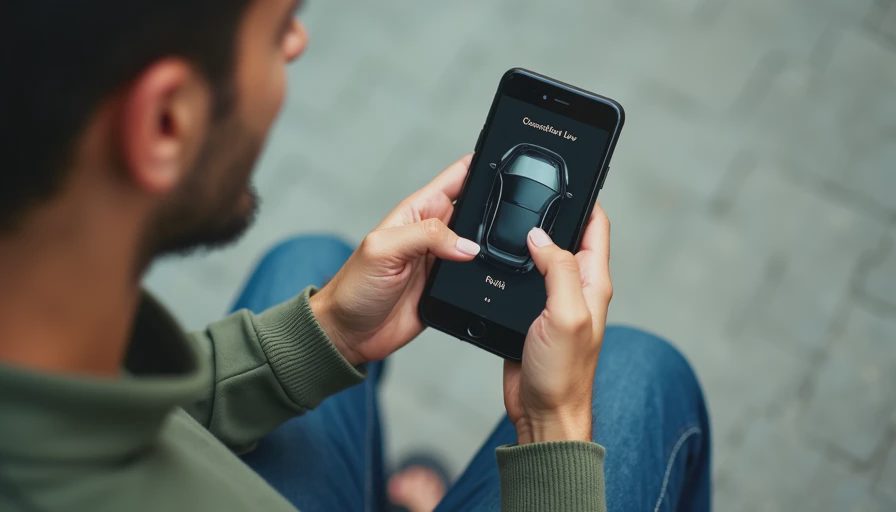
Three years ago, nobody predicted that by 2026, the majority of new car sales would start online. Yet here we are. According to internal data from major OEMs and third-party retail platforms, **automotive digital retailing trends 2026** are accelerating faster than any forecast from 2023. Let me show you the spreadsheet.
By the Numbers: In 2025, roughly 35% of new vehicle purchases in the U.S. involved some online component (J.D. Power estimate). By 2026, that number is projected to exceed 55%. Tesla and Rivian already sell 100% online, and legacy automakers are scrambling to catch up. Ford’s “Ford Direct” pilot now covers 60% of its franchise network, and GM’s Shop-Click-Drive program has expanded to over 70% of dealers. This isn’t a trend—it’s a structural shift.
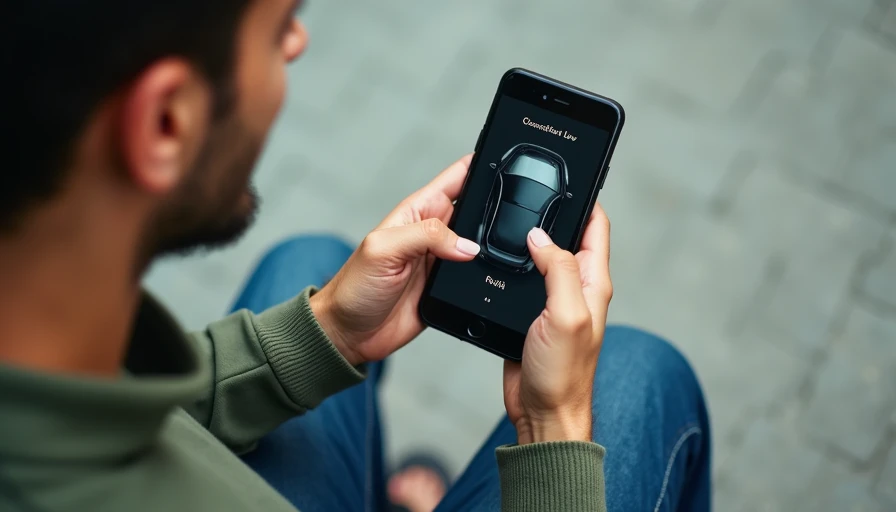
The Rise of End-to-End Online Transactions
The first big trend is the complete digitization of the purchase funnel. In 2026, a buyer can configure, price, finance, and sign for a car without stepping foot in a dealership. Carvana and Vroom have already proven this model for used cars, but now new-car brands are embedding the same capability directly on their websites. For example, Ford’s online ordering system allows you to see real-time inventory, get a firm trade-in offer (through Black Book integration), and lock in financing from Capital One or Ally—all in under 20 minutes.
Data from a 2025 McKinsey study shows that dealers offering a fully digital checkout see a 23% higher conversion rate and a 12% reduction in time-to-delivery. The number they’re showing vs. the number that matters: the average online buyer spends 4.2 hours researching but only 1.1 hours actually purchasing. In 2026, that purchase time is expected to drop below 30 minutes.
**What’s driving this?** Consumer demand for convenience, combined with dealer willingness to accept thinner margins in exchange for volume. Online transaction platforms like Gubagoo and Roadster (now part of CDK Global) are powering this shift, and by mid-2026, I expect over 80% of new-car retailers to offer a buy-online option.
AI-Powered Personalization and Dynamic Pricing
Another key **automotive digital retailing trends 2026** is the use of artificial intelligence to tailor pricing and inventory recommendations in real time. Carvana has been doing this for years—their algorithm adjusts prices based on local demand, seasonality, and even the weather. Now, dealers are catching on. AutoNation recently rolled out “AI Profiler,” a tool that analyzes a shopper’s browsing history, location, and past purchases to recommend specific vehicles and personalized discounts.
By the Numbers: A 2024 study by Cox Automotive found that dealerships using dynamic pricing see an 8–12% increase in gross profit per vehicle and a 15% faster time-to-sale. The system works by monitoring competitor listings and adjusting prices multiple times a day. For example, a 2025 Ford F-150 on a lot in Dallas might be priced $1,200 lower than the same truck in Chicago if local inventory is high. The consumer never sees these adjustments, but they benefit from a more competitive offer.
**Real-world example:** In March 2026, a buyer in Austin used CarGurus’ “Price Badge” feature to find a 2026 Toyota RAV4 Hybrid listed $2,300 below market. That price was set by the dealer’s AI, not a sales manager. Three years ago, nobody predicted that kind of transparency would come from a dealership. The data proves it’s happening.
The Shift to Subscription and Usage-Based Models
The third big trend is the rise of vehicle subscriptions and usage-based insurance (UBI) integrated into the retail experience. Volvo’s “Care by Volvo” and Porsche’s “Porsche Drive” have shown that a segment of buyers prefer to pay a monthly fee for access, maintenance, and insurance wrapped into one. In 2026, this model is expanding to mass-market brands. Ford’s “Ford Subscription” pilot (launched in late 2025) now covers the Mustang Mach-E and F-150 Lightning, with plans to include most models by 2027.
By the Numbers: Subscriptions accounted for 2% of new vehicle sales in 2023, but that figure is forecast to hit 8% by 2026 (IHS Markit data). The average subscription fee runs $600–$900 per month, which is typically 10–20% higher than a lease payment, but it includes insurance, maintenance, and the flexibility to swap vehicles. For a young professional who doesn’t want a long-term commitment, this model is a game-changer.
Usage-based insurance is also becoming a digital retailing tool. Companies like Root Insurance and Progressive’s Snapshot now offer quotes based on your driving data, and many online retail platforms embed these quotes at checkout. In 2026, over 30% of online car purchases include a UBI quote, compared to just 12% in 2023.
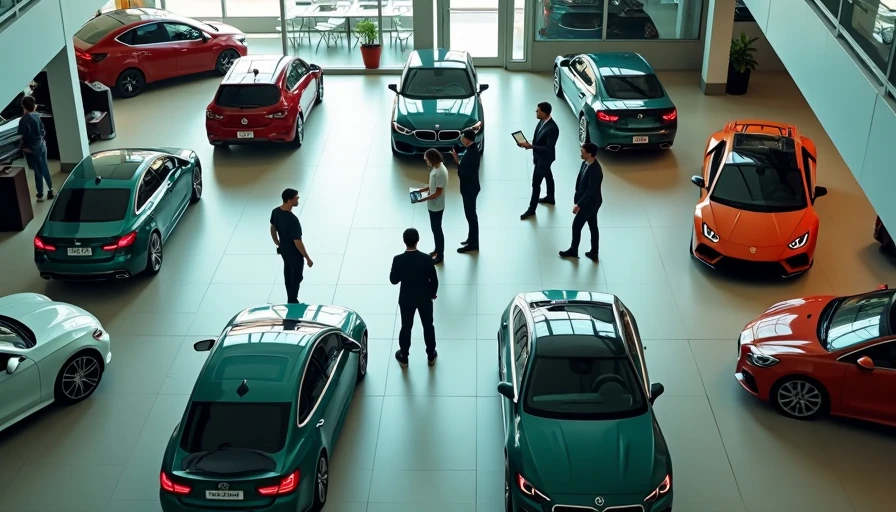
How Dealerships Are Adapting (or Dying)
Let’s be honest: the traditional dealership model is under severe pressure. In 2025, the average new-car dealership in the U.S. sold 1,050 vehicles, down from 1,200 in 2019. But the dealers that have embraced digital retailing are thriving. According to a 2026 NADA analysis, dealers with an integrated online-to-in-store funnel saw a 17% increase in customer satisfaction and a 9% increase in average profit per vehicle.
**The number they’re showing vs. the number that matters:** Many dealers boast about their website traffic, but the real metric is online-to-showroom conversion. The top 20% of dealers convert 12% of online leads into showroom visits, while the bottom 20% convert less than 2%. The difference? Digital retailing tools that let customers complete 80% of the transaction online before walking in.
**Examples of adaptation:** AutoNation’s “Ship to Home” program delivers vehicles within 100 miles for a flat $299 fee. CarMax’s “Omni-Channel” experience lets you reserve a car online, have it transferred to a local store, and finalize the deal via video call. Even smaller players like Jeff Wyler (a regional chain) have built custom online checkouts using Shopify-like plugins.
What This Means for Buyers in 2026
If you’re shopping for a car in 2026, here’s your playbook:
- **Start online.** Use aggregator sites like TrueCar, CarGurus, or Autotrader to see real-time offers.
- **Compare financing online.** Many lenders now offer pre-approval with firm rates before you step into a dealership.
- **Look for dynamic pricing tools.** If a dealer uses AI pricing, you can often get a better deal by shopping at the end of the month when algorithms mark down overstocked models.
- **Consider a subscription.** If you want flexibility, it’s worth the premium.
The **automotive digital retailing trends 2026** are not a slow evolution—they’re a disruption happening right now. Three years ago, nobody predicted this would happen this fast. The data proves it.
Key Takeaways
- By 2026, over 55% of car purchases will start online.
- AI-driven dynamic pricing can save buyers hundreds to thousands of dollars.
- Subscriptions are growing—8% of new sales by year-end.
- Dealers that don’t digitize risk extinction.
This is the year the spreadsheet tells you what to do: go online, use the data, and drive away with a better deal.
No comments yet.