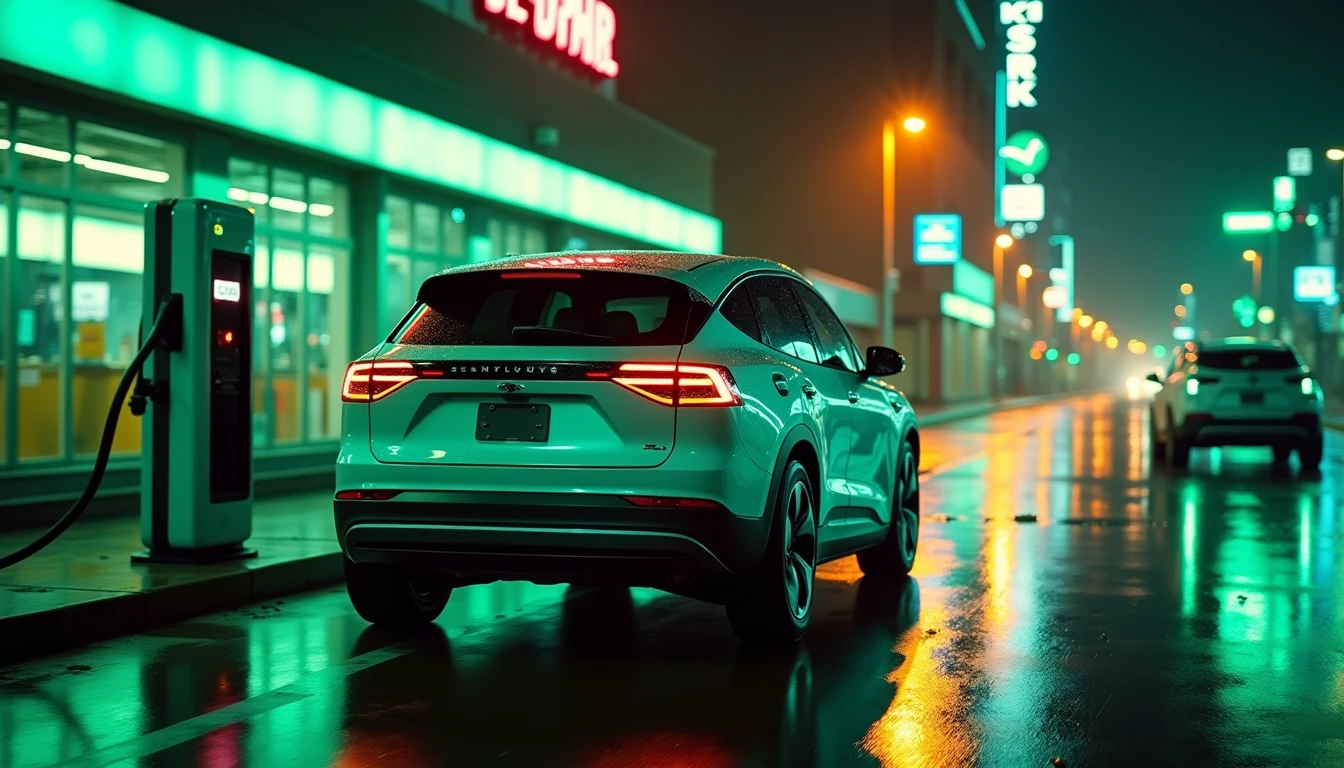
The $49,353 Reality Check: Why the Budget Car Is Dead and Hybrids Are Winning in 2026
Three years ago, nobody predicted the average new car transaction would breach $49,000. Today, that's the cold hard math. Kelley Blue Book data shows the average buyer paid $49,353 in February 2026. If you're hunting for a sub-$25k daily driver, stop looking. The budget sedan didn't just fade away; automakers actively killed it to chase margin on loaded luxury trims. Bare-bones models have narrow margins, and manufacturers have decided budget buyers can just scrape by in the used market. You're left with two choices: pay up for the features or walk away.
The Hybrid Pivot and the EV Hangover
Let's talk powertrains, because the landscape has shifted under our feet. The federal EV tax credit of up to $7,500 is gone, axed by the Trump administration. That hurts affordability, but it hasn't stopped the metal from rolling. The Alliance for Automotive Innovation still counts about 155 electric models on sale in the U.S. Automakers aren't ditching EVs; global pressure and R&D pipelines keep them coming. As an R1T owner who tracks every kWh, I'm still bullish on electric, but the market reality for 2026 is clear.
The volume play is hybrid. Every segment, from small cars to three-row SUVs and full-size pickups, is getting the hybrid treatment. Why? The data backs it up. Consumer Reports readers flag hybrids as more reliable. On the test track, that electric shove off the line translates to sportier acceleration, better towing capacity, and real-world efficiency without the range anxiety or charging infrastructure gamble. You're not getting subsidized deals anymore, but hybrids offer the best blend of performance and utility right now.
By the Numbers: 2026 Market Snapshot
- Average New Car Price (Feb 2026): $49,353
- EV Tax Credit Status: Eliminated ($0 federal incentive)
- Active EV Models in U.S.: ~155
- Trend: Hybrid availability across all segments, including pickups
SUV Dominance and the Visibility Trap
SUVs rule the lot, and the math explains why. You get a tall seating position, available AWD, massive cargo volume, and easier ingress/egress. If you're hauling a stroller, a Great Dane, or need a third row, nothing else competes. But there's a trade-off. That commanding view often comes with a blind spot directly in front of the hood. Many SUVs suffer from worse forward visibility than the sedans they replaced.
That makes automatic emergency braking and a surround-view camera non-negotiable, not luxury add-ons. You need to see that curb before you roll your alloy wheel. Also, remember physics: bigger vehicles brake harder and handle softer. Fuel economy takes a hit compared to sedans. If you're buying a big SUV, demand a powered liftgate. These things are heavy and tall; wrestling a manual gate in the rain is a pain. The surround-view camera used to seem like a flex, but with today's blind spots, it's the only way to know exactly how close your tires are getting to obstacles.
By the Numbers: SUV Reality Check
- Visibility: Often worse forward view vs. sedans
- Handling: Larger wheelbase/weight = softer dynamics
- Must-Have Tech: Surround-view camera, Auto Emergency Braking
- Convenience: Powered liftgate recommended for heavy doors
So, what's the play for 2026? If you need space and capability, the hybrid is the smartest buy. You get the electric torque for towing and merging without the dependency on a fragmented charging network. The days of bare-bones bargains are over. Automakers want your margin. You either pay for the loaded hybrid SUV or you shop the used market for the economy car they stopped making. Drive smart, check the data, and don't overpay for a badge.