Three years ago, nobody predicted this. Here's the data that proves it: for many EV buyers, the **home EV charger installation cost** matters almost as much as the car payment. If you are building an EV budget in a spreadsheet, the charger line item is not trivial. In most US homes, a Level 2 setup lands somewhere between about $800 and $2,500 installed, but that range gets blown up fast by panel upgrades, long wire runs, and trenching. My opinion-forward take: skip the vague online estimates and price your house, your panel, and your parking layout. Those three variables drive the real number.
The typical price range, broken down
A basic Level 2 home charging setup usually includes the charger itself, a dedicated 240-volt circuit, wiring, breaker space, permit, and labor. For many drivers, the hardware costs around $350 to $700 for a solid unit from brands like ChargePoint, Emporia, Grizzl-E, or Tesla's Wall Connector. Electrician labor often runs another $400 to $1,200 when the job is straightforward. Add permit and inspection fees, and the all-in total commonly reaches $800 to $2,500.
By the Numbers:
- Charger hardware: $350-$700
- Standard installation labor: $400-$1,200
- Permit and inspection: $50-$300
- More complex jobs: $2,500-$5,000+
The number they're showing vs. the number that matters: the cheapest charger on Amazon is rarely the expensive part. The expensive part is the house. If your electrical panel is full, detached garage access is tricky, or the cable route is long, your home EV charger installation cost can jump fast.
What drives the cost up or down
The biggest price variables are boring, but they matter. First is distance. If your electrical panel sits on the opposite side of the house from the garage, material and labor go up because copper wire is not cheap. Second is panel capacity. A modern 200-amp service usually gives an electrician more room to work with than an older 100-amp panel. Third is whether you need a hardwired unit or a NEMA 14-50 outlet installation. Hardwiring is often cleaner and can support higher continuous charging loads, but local conditions decide the best path.
A fourth factor is charger amperage. A 32-amp or 40-amp setup may be enough for many commuters, while a 48-amp circuit can cost more because it needs heavier wire and a hardwired install. If your daily driving is 30 to 50 miles, overspending for maximum charging speed is often unnecessary.
When installation gets expensive
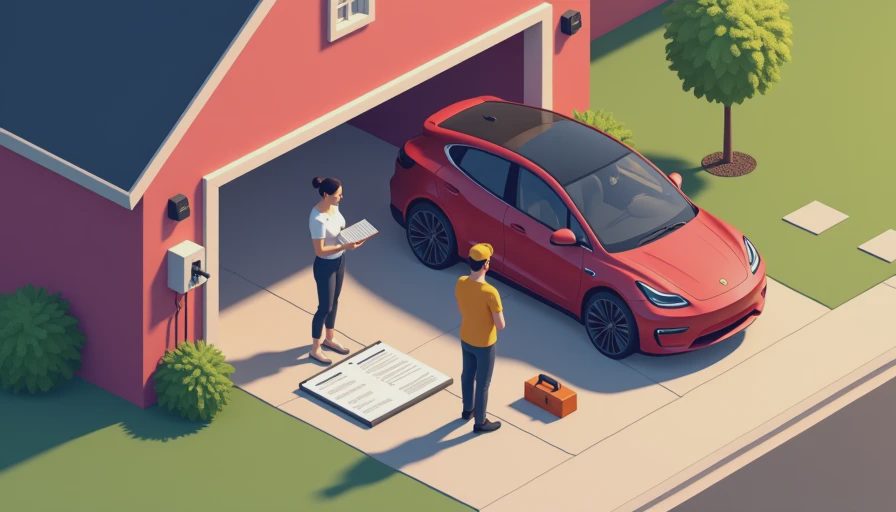
This is where budgets break. The most common reason for a high home EV charger installation cost is an electrical service or panel upgrade. If your house has an older 100-amp service, adding a new EV circuit might require load calculations that show you are already close to the limit. In that case, an electrician may recommend a panel replacement, service upgrade, or a load management device. Panel upgrades can push the project into the $2,000 to $5,000 range by themselves, and sometimes higher.
Detached garages are another cost trap. If power has to be run underground, trenching and conduit can add hundreds or thousands depending on distance and surface conditions. Older homes can also trigger extra work if grounding, breaker compatibility, or code compliance issues show up. None of this is exotic; it is just the difference between a clean install and a house that was not designed with EV charging in mind.
My take: if your quote comes in far above the national averages you see online, the electrician is not automatically overcharging you. The house may simply be the problem.
Smart ways to lower your home EV charger installation cost
There are real savings moves here, and most are practical. First, place the charger as close to the panel as possible while still reaching your parking spot. A shorter wire run can save meaningful money. Second, right-size the charger. Many drivers do not need 48 amps overnight. A lower-amp installation can reduce both material cost and electrical load concerns.
Third, ask whether a load-sharing or energy management setup can avoid a full service upgrade. In some homes, that is the highest-value move on the board. Fourth, check local utility rebates, state incentives, and federal tax credit eligibility for EV charging equipment and installation. These programs change, so treat them as time-sensitive, but they can knock a noticeable amount off your net cost.
By the Numbers:
- Shorter wire route: often the simplest savings lever
- Lower amperage setup: can reduce wire and breaker cost
- Incentives: potentially hundreds back, depending on program availability
Outlet vs hardwired charger: which is the better value?
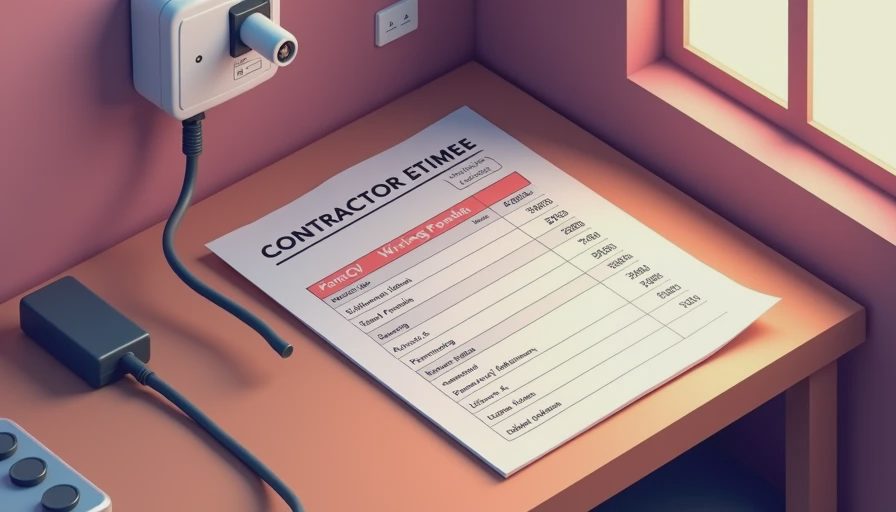
This debate gets more airtime than it deserves, so here is the simple version. A 240-volt outlet setup can look cheaper upfront, especially if you want the flexibility to unplug and replace the charger later. But outlet installs still require a dedicated circuit, and high-use EV charging can be harder on lower-quality receptacles over time. A hardwired charger usually gives a cleaner install, fewer connection points, and often support for higher amperage.
For renters or drivers who move often, portability matters. For homeowners planning to keep the EV for years, hardwiring is often the more durable play. On the CaliperScore rubric, this rates as a use-case decision, not a universal winner. If the pricing difference is small, I lean hardwired. If flexibility matters and the electrician uses quality components, an outlet-based setup can still be perfectly reasonable.
My budgeting rule for EV shoppers
If you are shopping an EV right now, add a charger budget before you compare monthly payments. My simple planning model is this: budget $1,500 for a normal install, keep $3,000 in mind as the safer upper limit if your home is older or your garage is detached, and get at least two quotes from licensed electricians. That approach is more useful than chasing the lowest advertised charger price.
The bottom line on **home EV charger installation cost** is straightforward. Most homes will land in a manageable range, but edge cases get expensive fast. If you want the highest-confidence estimate, gather four data points before you request quotes: panel size, open breaker space, distance from panel to parking spot, and whether you want 32, 40, or 48 amps. That turns a vague project into a real budget. And if you are already spending $40,000 to $60,000 on an EV, getting home charging right is one of the few upgrades you will feel every single week.
No comments yet.