The fifth wheel meaning is straightforward: it describes a trailer connection that sits in the bed of a pickup truck rather than behind the rear bumper. The design is common on large travel trailers, toy haulers, and commercial tractor-trailer rigs because it places the trailer’s pivot point closer to the truck’s rear axle. That location can improve stability, but it also changes what you need from the truck, hitch, insurance policy, and parking space.
The term has two related uses. In trucking, the fifth wheel is the circular coupling plate mounted on a tractor. In recreational towing, a fifth-wheel trailer uses a kingpin that locks into a similar hitch mounted above the truck’s rear axle. The hardware looks different from a standard ball hitch, but the engineering idea is similar: move the connection forward to create a more controlled towing position.
Fifth wheel meaning in practical terms
A standard bumper-pull trailer connects to a ball mounted near the back of an SUV or pickup. A fifth-wheel trailer extends forward over the truck bed and connects to a hitch installed between the rear axle and cab. That forward connection reduces the long lever effect created by a trailer hanging several feet behind the axle.
In real driving, this can make a large trailer feel more planted during lane changes and crosswinds. It does not eliminate sway, braking distance, or the need for careful loading. A fifth wheel can still become difficult to control if its cargo is distributed incorrectly, its tires are underinflated, or the tow vehicle is overloaded.
The fifth wheel meaning also explains the visual difference between the two trailer types. A fifth-wheel trailer has a raised front section that sits over the pickup bed. That area often becomes a bedroom, storage compartment, or lounge. The shape provides more interior space than a similarly sized bumper-pull trailer, but it requires a full-size pickup and limits access to the truck bed while hitched.
By the Numbers: A fifth-wheel hitch commonly weighs several hundred pounds, while the trailer itself can weigh from roughly 8,000 pounds to more than 20,000 pounds depending on its size and construction. These are broad planning ranges, not a substitute for the specific trailer’s certification label.
How a fifth-wheel hitch works
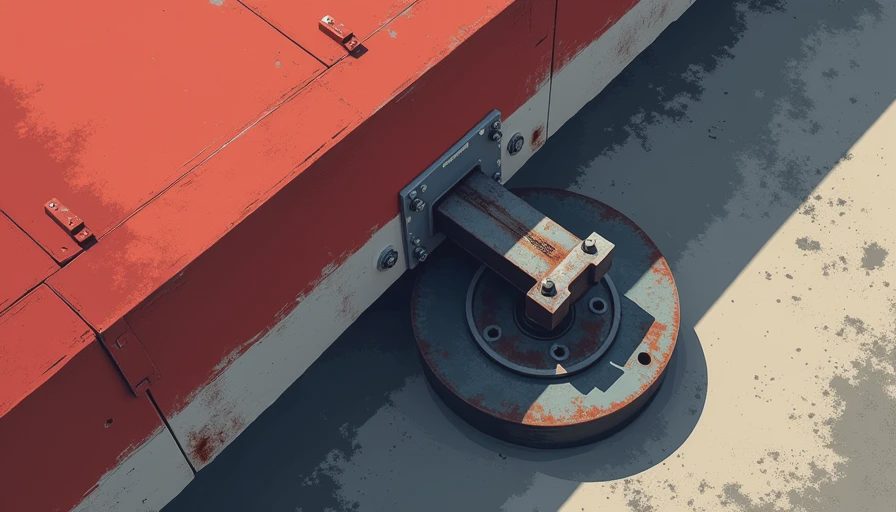
The hitch uses a plate with locking jaws that surround the trailer’s kingpin. When the truck backs into position, the kingpin slides into the hitch throat. The jaws then close around it, creating a strong pivot connection. A safety handle or locking mechanism should be checked before every trip, and the trailer’s electrical plug and breakaway cable must also be connected.
Unlike a basic receiver hitch, this system is bolted or otherwise secured to brackets attached to the truck frame. Bed-mounted rails are common, while some newer systems use puck-style factory mounting points. The exact hitch rating must meet or exceed the trailer’s loaded weight and pin weight. The pin weight is the downward force placed on the truck by the front of the trailer, and it often represents about 15% to 25% of a fifth-wheel trailer’s loaded weight.
That ratio matters more than the brochure’s dry weight. A trailer advertised at 12,000 pounds empty could exceed 14,000 pounds after water, propane, batteries, food, tools, clothing, and recreational equipment are added. For a purchase decision, use the gross vehicle weight rating and expected loaded weight, not only the empty figure.
Truck requirements buyers often miss
Understanding the fifth wheel meaning is only the first filter. The truck must handle three separate limits: towing capacity, payload capacity, and rear-axle weight rating. Towing capacity measures the trailer a truck can pull. Payload includes passengers, cargo, hitch hardware, and the trailer’s pin weight. A truck can have an impressive tow rating and still run out of payload before reaching that maximum.
For example, imagine a heavy-duty pickup with 3,500 pounds of available payload. If the hitch weighs 200 pounds, passengers and gear add 500 pounds, and the loaded trailer places 2,400 pounds on the pin, only 400 pounds remain. That calculation is more useful than simply seeing a 16,000-pound tow rating in a dealer listing.
A half-ton pickup can tow some smaller fifth wheels, but the match requires close attention to payload and hitch placement. Three-quarter-ton and one-ton trucks generally provide more capacity and stronger brakes, though model years, cab configurations, four-wheel drive, axle ratios, and engine choices change the numbers. Always compare the truck’s door-jamb payload label with the trailer’s loaded specifications.
Fifth wheel versus bumper pull
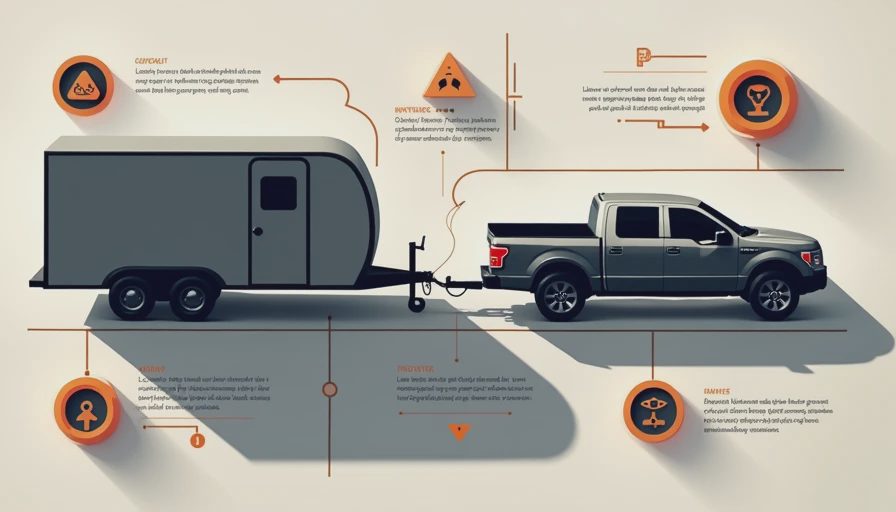
The fifth wheel meaning becomes clearer when the two layouts are compared. A bumper-pull trailer usually costs less to enter, works with a wider range of vehicles, and leaves the pickup bed available. It can also be easier to maneuver in compact campsites because the connection point is farther back and familiar to many drivers.
A fifth wheel typically offers more living area, a higher ceiling in the front section, and a tighter turning radius at the truck-trailer connection. That geometry can make a large rig feel more manageable on the highway. The tradeoff is a dedicated hitch, reduced bed utility, higher trailer weight, and a larger turning envelope near the cab. Some combinations can strike the truck cab during a sharp turn if the trailer and hitch geometry are not compatible.
Cost planning should include more than the trailer price. A heavy-duty truck capable of carrying the pin weight can cost tens of thousands of dollars used or considerably more new. Add approximately $1,000 to $3,000 for many hitch installations, plus tires, brake controller equipment, registration, storage, and maintenance. Actual prices vary by truck, hitch brand, and installation complexity.
Driving and setup checklist
Before the first trip, measure the truck bed length, verify the hitch position, and confirm that the trailer’s turning clearance works with the cab. A sliding hitch can help some short-bed trucks, but it adds weight and another operating step. The trailer should be level or close to level when connected, and the truck’s rear suspension should not sag excessively.
Weigh the combination when possible. A public scale can reveal whether the truck’s front axle, rear axle, and combined rating are within limits. Check tire pressure cold, inspect the kingpin and locking jaws, test trailer brakes, and secure interior cargo. On the road, leave extra stopping distance and make wider turns than you would with a car. Watch overhead signs, fuel station islands, and the trailer’s inside rear corner.
The first practice session should happen in an empty parking lot, not at a crowded campground. Backing a fifth wheel uses different steering inputs because the trailer pivots near the axle. Small corrections are usually better than large ones, and a spotter with agreed-upon hand signals can prevent expensive body damage.
Is a fifth wheel right for your use case?
The fifth wheel meaning points to a specialized solution rather than a universal upgrade. It makes sense for a driver who wants a large living space, travels for extended periods, and already plans to operate a heavy-duty pickup. It is less attractive for occasional weekend trips, urban parking, or owners who use the truck bed for bikes, motorcycles, or construction materials.
My buying rubric is simple: confirm the loaded trailer weight, subtract passengers and cargo from truck payload, and leave a meaningful reserve instead of targeting the limit. Then compare total ownership cost over three years, including fuel, tires, storage, insurance, and maintenance. A large gasoline truck may cost less upfront, while a diesel can offer stronger long-distance towing performance but usually brings higher purchase and service costs.
If you are comparing listings, search for the exact truck configuration and the trailer’s certification label rather than relying on a salesperson’s broad statement. The safest match is the one that handles the real loaded combination comfortably, not the one that wins a spreadsheet contest with an optimistic empty-weight calculation.
No comments yet.