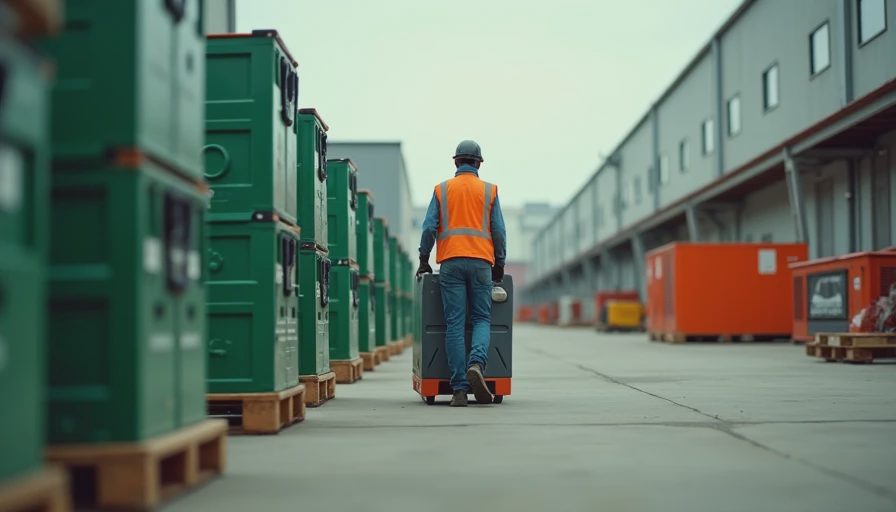
Three years ago, nobody predicted this. Here's the data that proves it: EV battery recycling has moved from a niche pilot project to a serious part of the electric-car supply chain. If you're shopping for an EV, this matters more than most window-sticker specs. Battery packs contain valuable materials, replacement costs are still high, and the long-term economics of electric vehicles look better when those materials can be recovered and reused. The big takeaway is simple: EV battery recycling is no longer a future talking point. It's becoming a real-world factor in how affordable, scalable, and sustainable EVs can be.
Why EV battery recycling suddenly matters
The short version is demand. EV sales rose fast, battery plants expanded, and automakers started realizing that lithium, nickel, cobalt, copper, and graphite are too valuable to waste. A modern EV battery pack can weigh hundreds or even more than a thousand pounds depending on the vehicle. Sending that pack to a landfill makes no economic sense when recyclers can recover a meaningful share of the raw materials.
By the Numbers:
- Battery packs are one of the most expensive components in an EV.
- Materials like nickel and cobalt can swing sharply in price.
- Recovered metals can reduce pressure on new mining and refining capacity.
For buyers, the number they're showing vs. the number that matters is this: not just driving range, but what happens to the battery at the end of its automotive life. A healthy recycling ecosystem can support lower long-term battery costs and a more stable EV market. That won't instantly slash sticker prices, but it improves the math over time.
How the recycling process actually works
Most people hear EV battery recycling and picture a giant shredder. That is only part of the story. First, used packs are collected, tested, discharged for safety, and often disassembled. Some modules are unsuitable for road use but still have enough capacity for stationary energy storage. That step is usually called second life, and it can delay full recycling.
When a pack is recycled, the goal is to separate and recover materials from cells and pack hardware. Two common pathways are mechanical processing and hydrometallurgical recovery. Mechanical steps break the pack down into metals, plastics, and a concentrated material often called black mass. Hydrometallurgical methods then use chemical solutions to recover lithium, nickel, cobalt, manganese, and other valuable inputs.
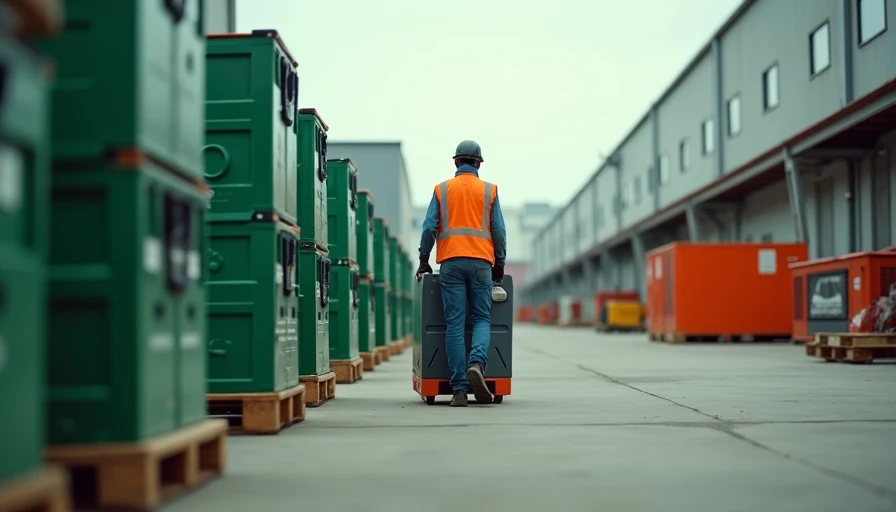
The important point: EV battery recycling is not just about disposal. It's about turning end-of-life batteries and factory scrap into feedstock for future batteries. That is why many recycling companies are located near battery plants or auto manufacturing hubs. Less transport, lower cost, tighter supply loop.
What materials can be recovered, and what buyers should care about
Not every battery chemistry has the same recycling value. Nickel-rich chemistries tend to attract more attention because nickel and cobalt are valuable. Lithium iron phosphate, or LFP, is growing fast because it is often cheaper and avoids cobalt and high nickel content, but that can make its recycling economics different. Recyclers still want the lithium, copper, aluminum, and graphite, yet the incentive structure can look less attractive than with nickel-heavy packs.
For shoppers, this does not mean one chemistry is good and another is bad. It means the battery industry is balancing cost, safety, longevity, energy density, and end-of-life value at the same time. Tesla, Ford, GM, Hyundai, and other major brands are all operating in a market where chemistry choice affects not just range and charging, but the downstream recovery business too.
By the Numbers:
- Copper and aluminum from pack structures and wiring have real resale value.
- Factory production scrap is often easier to recycle than damaged field packs.
- Estimated recovery rates vary by process, but modern systems aim to reclaim a high share of critical materials.
That last point matters. Good EV battery recycling starts before the battery ever reaches a junkyard.
The real bottleneck is logistics, not just technology
If you ask me what slows the market, it is not a lack of engineering talent. It is collection, transport, sorting, and safe handling at scale. High-voltage battery packs are heavy, hazardous if damaged, and expensive to move. A recycling network works only if dealers, insurers, body shops, salvage operators, and recyclers can coordinate quickly.
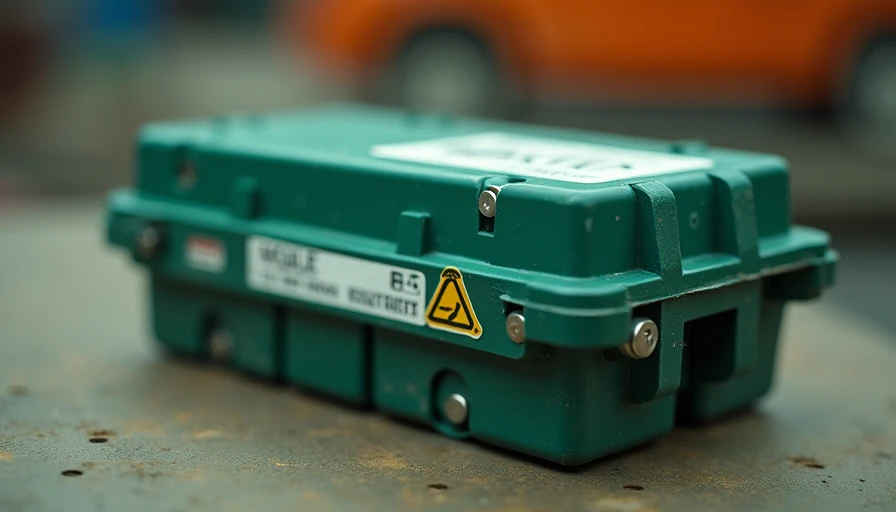
This is especially important after collisions. Some packs can be repaired. Some can be remanufactured. Some need full teardown. Insurers and repair networks are getting better at this, but the system is still maturing. That is one reason EV battery recycling tends to sound more advanced in investor presentations than in local repair markets.
The number they're showing vs. the number that matters: a headline recovery rate sounds great, but it means less if packs sit for months waiting for qualified transport or inspection. For the market to scale, the boring stuff has to work. Packaging standards, traceability, fire safety protocols, and regional processing capacity are the backbone.
What this means if you're shopping for an EV now
Here is my practical take: do not buy an EV based only on promises about future recycling. Buy based on the vehicle's current range, charging performance, warranty, and total cost of ownership. But absolutely use EV battery recycling as a tiebreaker when two vehicles are close.
Look for brands with clear battery sourcing, real partnerships with established recyclers, and reasonable battery warranty terms. In the US, many mainstream EVs offer battery coverage around 8 years or 100,000 miles, with some variations. That does not guarantee a cheap replacement after warranty, but it does show the pack is expected to last well beyond the early years of ownership.
On the CaliperScore rubric, this rates as a medium-term buying factor, not a top-line purchase driver. In other words: you should care, but you should not let a vague recycling claim outweigh daily usability. The smartest move is to choose an EV from a manufacturer that is building a credible battery ecosystem, not just a good ad campaign.
Bottom line: the winners will close the loop
EV battery recycling is becoming a competitive advantage, not just a compliance box. The brands and suppliers that can recover materials efficiently, reuse manufacturing scrap, and reduce exposure to volatile commodity markets will be in a stronger position over the next decade. That should matter to any buyer who thinks beyond the monthly payment.
My opinion is straightforward: the EV transition looks a lot healthier when battery materials stay in circulation. That does not solve every supply-chain problem, and some economics are still evolving, especially for LFP. But the direction is clear. Better collection, better recovery, and more recycled content will make the EV market more resilient.
If you're comparing your next electric vehicle, do the obvious spreadsheet work on price, charging, and depreciation. Then add one more line item: battery end-of-life strategy. In 2025, that is no longer a fringe question. It is part of buying smart.
No comments yet.