Three years ago, nobody predicted this. Here’s the data that proves it: how much cost to install Tesla charger at home is usually a wiring question, not a charger question. If your panel already has room and the garage is close, the bill can land in the same zone as a decent set of tires. If the electrical service is maxed out or the run is long, the price can jump fast. For most homeowners, the clean answer is a range, not a single number, and the spread is wide enough that a good quote matters more than the sticker on the charger.
By the Numbers: a straightforward Tesla Wall Connector install often lands around $800 to $1,500 all in when the panel is ready and the run is short. If you need a dedicated 240-volt outlet instead of hardwiring, you can be in a similar range or slightly lower. Add a panel upgrade, trenching, or a detached garage, and the total can move into the $2,000 to $5,000+ zone. The hardware itself is only part of the story. Tesla’s Wall Connector is usually a few hundred dollars at retail, while the real swing comes from labor, permits, wire length, breaker size, and whether an electrician has to make room in the service panel.
The practical takeaway is simple: how much cost to install Tesla charger at home depends on whether your house is already EV-ready. A newer home with a 200-amp panel, open breaker spaces, and the garage on the same side of the house is the easy case. An older home with a 100-amp panel, an overloaded subpanel, or a long exterior run is where the quote starts climbing. In plain English, the charger is the cheap part; copper, conduit, and labor are what you’re really paying for.
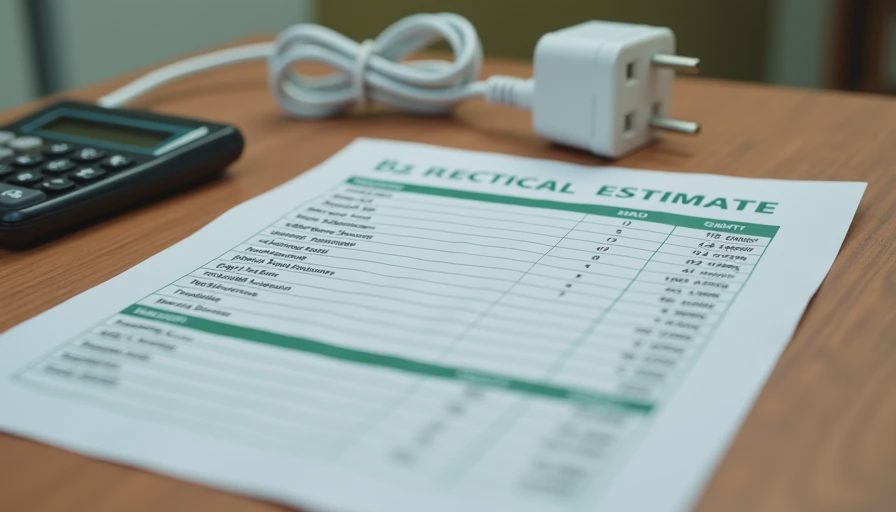
What actually changes the quote
The biggest price driver is panel capacity. If an electrician opens your panel and sees room for a new 240-volt circuit, the job can stay simple. If there is no spare capacity, the electrician may recommend a load calculation, a subpanel, or a full service upgrade. That is where a few hundred dollars turns into a few thousand. A panel swap is not a scammy upsell when the house truly needs it; it is the difference between a safe install and a breaker that trips every time the oven, dryer, and charger run together.
Distance matters next. A charger mounted on the same wall as the panel is one thing. A run across a basement, through finished drywall, or out to a detached garage is another. The farther the wire has to travel, the more material and labor you buy. Permit fees also matter. In many US cities, permits for a home EV charger sit somewhere around $50 to $300, and some jurisdictions require an inspection before the circuit can be used.
If you are comparing hardwired versus plug-in service, how much cost to install Tesla charger at home often comes down to whether you want flexibility or a cleaner permanent setup. Hardwiring usually looks neater and avoids a bulky outlet, while a plug-in setup can make replacement easier later. The gap is not huge in every home, but the right choice depends on the panel, the route, and how much future-proofing you want.
Tesla Wall Connector or 240-volt outlet
The Tesla Wall Connector is the more polished answer for most drivers. It is hardwired, compact, and built for daily use. If you are charging overnight and want the least hassle, that is the route I would price first. A 240-volt outlet plus Tesla Mobile Connector can be cheaper in some houses, especially if you already have a nearby circuit path and the electrician does not need to open a lot of wall. The tradeoff is convenience and, in some setups, lower sustained charging speed than a dedicated wall unit.
On the CaliperScore rubric, the Wall Connector wins on long-term fit because it feels like a real home appliance, not an accessory you keep plugging and unplugging. The outlet route still makes sense for renters, people who may move soon, or anyone who wants to avoid overbuilding the garage. Either way, the number to watch is not just the hardware price. It is the installed total. A homeowner can easily spend more on labor than on the charger itself, and that is normal.
How to lower the install cost without cutting corners
The cheapest clean install is usually the one that avoids drama. Get one electrician to do a load calculation before anyone starts drilling holes. Ask whether the panel has room for a 240-volt circuit before you commit to hardwiring. If the garage wall is close to the panel, say that up front so the quote reflects a short run. If you are shopping quotes, compare the scope line by line: breaker size, wire gauge, permit handling, trenching, drywall repair, and inspection. That is where the hidden money lives.
You can also save by planning around your actual charging needs. A lot of commuters do not need the maximum possible amperage. If your daily drive is 30 to 50 miles, a properly sized circuit is usually enough, and you do not need to pay for an oversized setup just because the charger can handle more. That is the difference between buying capacity and buying ego. I have seen homeowners spend an extra $600 to $1,000 chasing a bigger install they never use.
Three common home scenarios
In a newer suburban house with a 200-amp panel and the garage directly beside the electrical room, a fair installed price often sits around $900 to $1,400. That is the sweet spot most people picture when they ask about home charging. In a mid-century house with a good panel but a longer wire run, a realistic quote can land around $1,400 to $2,200 once conduit, labor, and permitting are included. In an older home that needs a panel upgrade before any EV circuit can be added, I would budget $2,500 to $5,000 or more depending on local labor rates and whether the service entrance also needs work.
Here is the part that matters: if one quote is wildly lower than the others, read the scope carefully. Cheap electrical work is only cheap until the inspection comes back, the breaker trips, or the garage layout changes and the install has to be redone. A good quote should explain the amperage, the hardware, the permit, and whether the electrician is installing for the Tesla Wall Connector or for a 240-volt outlet.
The number I would budget
If I were moving into a house tomorrow and wanted a clean, no-drama setup, I would budget $1,200 to $1,800 for a straightforward install and hold a separate contingency of $2,000 or more if the panel looks old or crowded. That keeps you honest without overpaying for a fantasy scenario. For most EV shoppers, how much cost to install Tesla charger at home is not a mystery once the electrician sees the panel and the garage. It is a quote problem, and the best way to beat it is to ask the right questions before the first hole gets cut.
If you want the short version, here it is: buy the charger only after you know the wiring plan. That sequence saves money, prevents scope creep, and gets you to the part that actually matters, which is waking up to a full battery instead of waiting at a public station.
No comments yet.