A BMW concept car is only useful if it tells you something about the next real car. That is the whole game for buyers under 40 who do not have time for glossy theater. I care less about the paint, the camera angles, and the fake optimism on stage, and more about whether the idea points to better packaging, better range, faster charging, or a cabin layout that will still make sense after 50,000 miles. Three years ago, nobody predicted this. Here's the data that proves it: the concepts that matter are the ones that preview architecture, not just styling.
Why a BMW concept car matters to shoppers
The reason a BMW concept car gets my attention is simple: BMW uses concepts to test what the brand can get away with in public. The grille shape, the headlight signature, the dash interface, and the roofline are all clues about what will survive product planning. If the concept looks like it was designed for a museum but the wheelbase is long and the cabin sits low and flat, that is not theater; that is packaging. The details that survive usually are the ones that affect cost, ergonomics, and platform sharing.
A lot of shoppers get distracted by the paint and miss the bones. I would rather see a restrained concept with honest proportions than a wild one that hides a conventional drivetrain underneath. When BMW gets serious, the concept usually signals a family of cars, not one halo model. That matters if you are comparing a future 3 Series EV, an X3-sized electric crossover, or a premium coupe that will live in lease land for three years and then flood the used market. That is why I track whether the glasshouse, the stance, and the wheelbase stay honest.
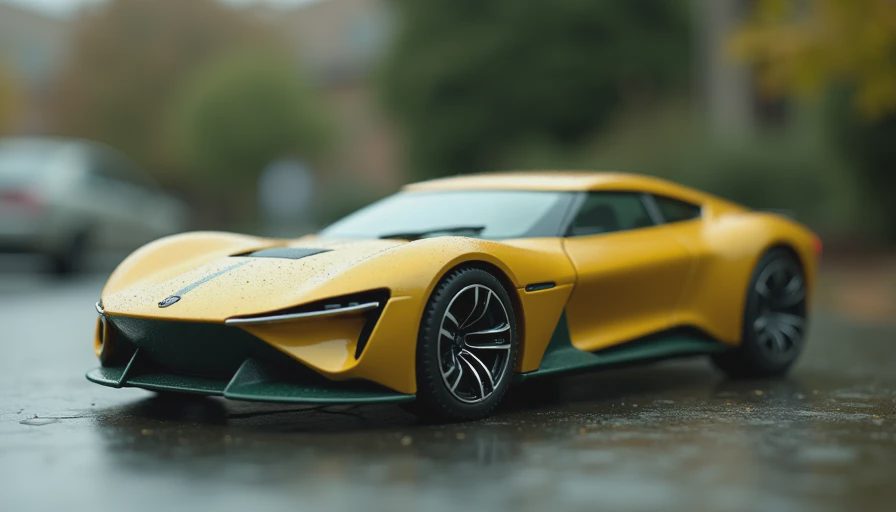
By the Numbers: what I actually look for
By the Numbers: BMW has said its next EV generation aims for about 30 percent better efficiency and about 30 percent faster charging than the current platform. I am not treating that as a shopping promise for a concept itself, but it tells you where the company is aiming. If a BMW concept car is pointing at that platform, the useful question is whether the packaging, battery floor, and aero shape look consistent with those targets. A low nose, a long wheelbase, and a clean side profile are not decoration; they are how you protect range and cabin space at the same time.
I also watch for the interior math. A concept that moves the screen too far away, buries key controls in touch menus, or makes rear headroom worse for style points is telling you the production car may be expensive to live with. On the flip side, a concept with a simple dash, sensible storage, and a steering wheel that does not look like a design school project usually points to a car that will age better. That's the stuff a spreadsheet can catch before the first test drive.
How I score a BMW concept car on the CaliperScore rubric
On my rubric, a BMW concept car gets credit in four places: platform clues, cabin logic, design continuity, and real-world usability. Platform clues are the biggest one. If BMW shows a concept with short overhangs, a flat floor, and space that looks like it came from an EV-first layout, I assume the production version has a decent shot at competitive range and better rear-seat room than the old ICE packaging allowed. Cabin logic is next. If the show car makes it obvious where your phone goes, how you reach the climate controls, and whether the driver display can be used without a learning curve, I give it points. If not, the concept is just marketing with nicer lighting.
Design continuity matters because BMW buyers do not want a total reset every 18 months. The best concepts preview a face, a stance, and a lighting pattern that can stretch across sedans and crossovers without looking broken. That is why I pay attention to the Vision Neue Klasse family more than to one-off sculptures.
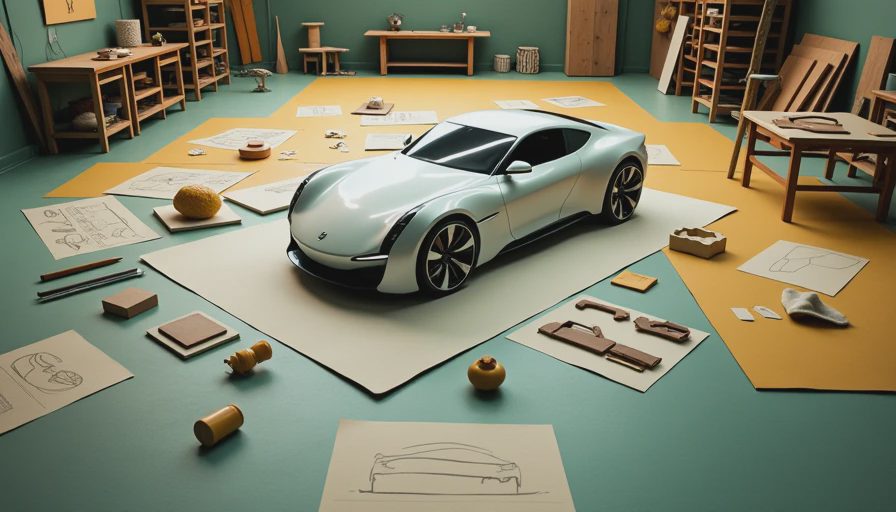
Which recent BMW ideas are worth your attention
If you want the shortest version, the Vision Neue Klasse is the BMW concept car that actually matters to a buyer tracking the next five years. It points to the brand's future EV direction, and that is where price, charging, and cabin packaging will shape resale value. The i Vision Dee was more of a digital-interface proof of concept, which is interesting if you care about how BMW wants you to interact with the car, but less useful if you are deciding whether to wait or shop now. A low-volume car like Skytop is even more niche: beautiful, expensive, and mostly a design statement.
The smart move is to separate emotional appeal from shopping value. If a concept tells you BMW is moving to cleaner software, better energy density, and less compromise in the cabin, that is worth watching. If it only tells you the brand can still turn heads at an auto show, enjoy the photos and move on. My rule is simple: the more the concept explains about the platform, the more seriously I take it. That is how you avoid buying yesterday's tech with tomorrow's sticker price. If you are cross-shopping BMW, wait for the pieces that matter and ignore the stage lights.
What I do with a BMW concept car if I am shopping in 2026
The simplest rule is to treat the show car as a filter, not a verdict. I look for the platform clues first, then I wait for the production press kit, then I compare it against rivals on range, charging, software, and interior space. If the real car keeps at least two-thirds of the concept's useful ideas, that is a win. If the production version loses the stance, the packaging, and the interface clarity, I move on fast. For a buyer with a spreadsheet, that is the whole edge: you do not pay for the applause line, you pay for the hardware that still looks smart after the first owner trades it in.
No comments yet.