Do gasoline expire? Technically, gasoline does not have a hard expiration date printed on the pump, but it does degrade. In a sealed, approved container, fresh fuel can remain usable for several months. In a vented tank exposed to heat, moisture, and oxygen, its quality can decline much faster. The practical question is not whether the fuel has reached a calendar deadline; it is whether the fuel still supports reliable combustion without creating problems for the engine.
My short answer: untreated gasoline is best used within about three to six months, while fuel treated with a stabilizer can often remain serviceable for roughly 12 to 24 months. Those are working ranges, not laboratory guarantees. Container quality, temperature, humidity, fuel blend, and storage conditions all move the result.
By the Numbers: How Long Gasoline Usually Lasts
If you are asking do gasoline expire because a lawn mower or spare vehicle has been sitting, start with the storage timeline. Fuel in a frequently used vehicle tank is constantly replaced, so it usually does not sit long enough to become a major concern. A generator, motorcycle, boat, or seasonal car is different.
Untreated gasoline in a properly closed container commonly performs well for three months. Around the six-month mark, oxidation and evaporation can produce noticeable changes. After a year, untreated fuel deserves inspection before it goes into a modern fuel-injected engine. Stabilized fuel has a much better outlook, but the stabilizer must be added when the fuel is still fresh and mixed according to the product instructions.
The number that matters is not just age. A half-full plastic container sitting in a hot garage can deteriorate faster than a full, sealed metal can stored in a cool shed. More air space means more oxygen available for oxidation. Repeated temperature swings also encourage condensation inside the container.
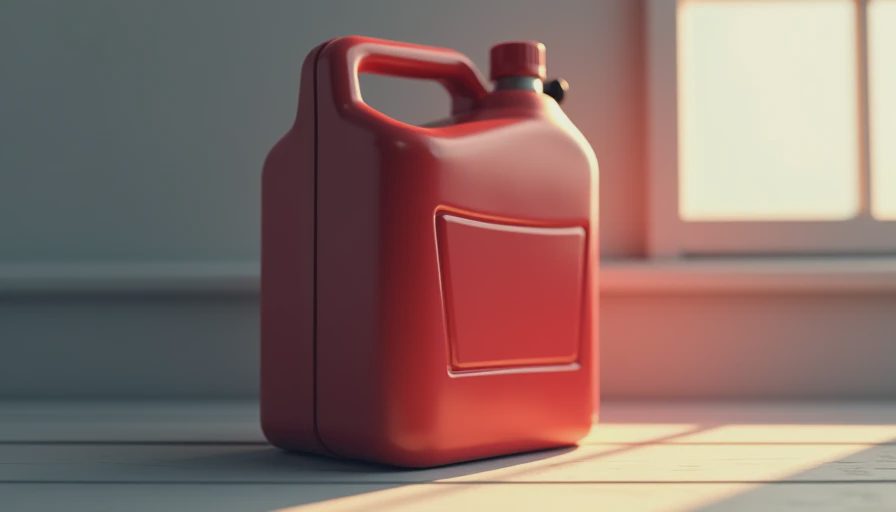
What Happens When Gasoline Gets Old?
The chemistry is straightforward. Gasoline contains many hydrocarbons with different evaporation rates. The lighter components help the engine start, while the remaining blend supports steady combustion. Over time, the lighter components can evaporate, and oxygen can react with the fuel to form gums and varnish.
That process can reduce starting performance, cause rough idle, or contribute to deposits in fuel injectors and carburetors. Old fuel may look darker than normal or develop a sour, varnish-like smell. A visible layer, cloudiness, sediment, or water at the bottom is a stronger warning than color alone.
Ethanol-blended gasoline adds another variable. Ethanol attracts water, so fuel stored in humid conditions can absorb enough moisture to separate. This is called phase separation. Once water and ethanol settle below the gasoline layer, the mixture can cause corrosion and poor combustion. It is not a problem solved by simply shaking the container and pouring it into a car.
Does Gasoline Expire Faster in a Car?
The answer to do gasoline expire in a vehicle depends heavily on the fuel system and storage environment. A sealed fuel system protects gasoline better than an open portable can, but it is not an unlimited preservation system. A vehicle parked outside in summer heat experiences more stress than one kept in a cool garage.
A nearly empty tank also has more air space, which can increase condensation risk during temperature changes. That does not mean you should automatically keep every tank completely full. Follow the vehicle manufacturer's guidance, and focus on using seasonal vehicles regularly. Running the engine briefly is not enough; a short drive that warms the system is more useful, although it is not a substitute for proper maintenance.
Modern cars use fuel pumps, injectors, sensors, and emissions controls that can be less forgiving of contaminated fuel than a simple carbureted engine. A rough start after long storage may come from a weak battery, stale fuel, or both. Do not diagnose the problem from smell alone.
How to Check Old Gasoline Before Using It
When deciding do gasoline expire in your particular container, use a cautious inspection process. First, move the container outdoors or into a well-ventilated area away from flames, cigarettes, pilot lights, and electrical sparks. Do not taste the fuel, heat it, or hold it close to your face.
Inspect the container for swelling, leaks, cracks, or a damaged cap. Pouring a small sample into a clear glass jar can reveal water, sediment, or separation, but only do this outdoors and with appropriate chemical-resistant gloves. Let the sample sit undisturbed. Gasoline should appear fairly uniform. A distinct lower layer, cloudy appearance, or heavy sediment indicates that the fuel should not go into an engine.
Compare the smell with fresh gasoline from a safe distance. A strong varnish or paint-like odor suggests oxidation. If the fuel is only a few months old, looks clean, and was stored correctly, it may still be usable. If it is more than a year old, contaminated, or stored in poor conditions, the risk of a fuel-system repair is not worth saving a few dollars of gasoline.

Can You Mix Old Gas With Fresh Gas?
This is where many online tips become too casual. Mixing a small amount of clean, mildly aged gasoline with a larger amount of fresh fuel is sometimes used for older equipment, but it is not a universal fix. It will not remove water, sediment, or oxidation products. It also does not make badly degraded fuel safe for a turbocharged vehicle, direct-injection system, or expensive motorcycle.
If the fuel passes a careful visual inspection and has only modest age, using a limited amount in an appropriate engine may be reasonable. Add fresh fuel first and avoid filling a high-value vehicle with a questionable batch. Never mix gasoline with diesel, kerosene, or random additives. Fuel stabilizer is preventative; it is not a chemical reset button for fuel that has already separated or turned to varnish.
For a vehicle that has developed hard starting, stalling, or a check-engine light after old fuel was added, stop operating it and have the fuel system evaluated. Continuing to run contaminated fuel can spread the problem through the pump, filter, injectors, and combustion system.
How to Store Gasoline Correctly
The best answer to do gasoline expire is to slow the aging process before it starts. Use only a container approved for gasoline, keep the cap tightly closed, and do not store fuel in an unmarked bottle or household container. Leave the container in a cool, dry, well-ventilated location away from living areas, ignition sources, children, and pets.
Buy only the amount you expect to use within a reasonable period. If fuel will sit through a season, add a reputable stabilizer when filling the container, then run stabilized fuel through the equipment so it reaches the fuel system. Record the purchase date on a label. That one spreadsheet-style habit prevents guessing six months later.
Never store gasoline near a furnace, water heater, electrical panel, or direct sunlight. Do not keep it inside a home, apartment, or vehicle cabin. Local fire codes can restrict storage quantities, so follow the rules where you live.
Safe Disposal and Final Take
If you are still asking do gasoline expire after finding an old can, treat questionable fuel as hazardous household waste. Do not pour it down a drain, onto soil, into a storm sewer, or into household trash. Contact your city, county, fire department, or household hazardous-waste program for disposal instructions. Many communities provide scheduled drop-off events.
The practical score is simple: fresh and properly stored fuel wins; treated, dated fuel is the smart seasonal strategy; old, cloudy, separated, or varnish-smelling fuel belongs in disposal. Gasoline does not become harmless just because it is old. A $10 disposal trip is cheaper than a damaged fuel system, a stalled vehicle, or a preventable fire.
No comments yet.