Poll any Nissan enthusiast on when the brand should resume GT-R production, and you'll hear something along the lines of "yesterday." Put the same question to Nissan, and the response tends to be more ambiguous. The automaker's well-publicized financial difficulties make a supercar-fighting performance machine a hard business case to prioritize. Still, Nissan hasn't given up on the idea entirely.
"I get questions all the time about a next-generation GT-R," said Ponz Pandikuthira, senior VP and chief planning officer for Nissan North America, in a conversation with Car and Driver earlier this week at the New York auto show. "It's a question of when, not if."
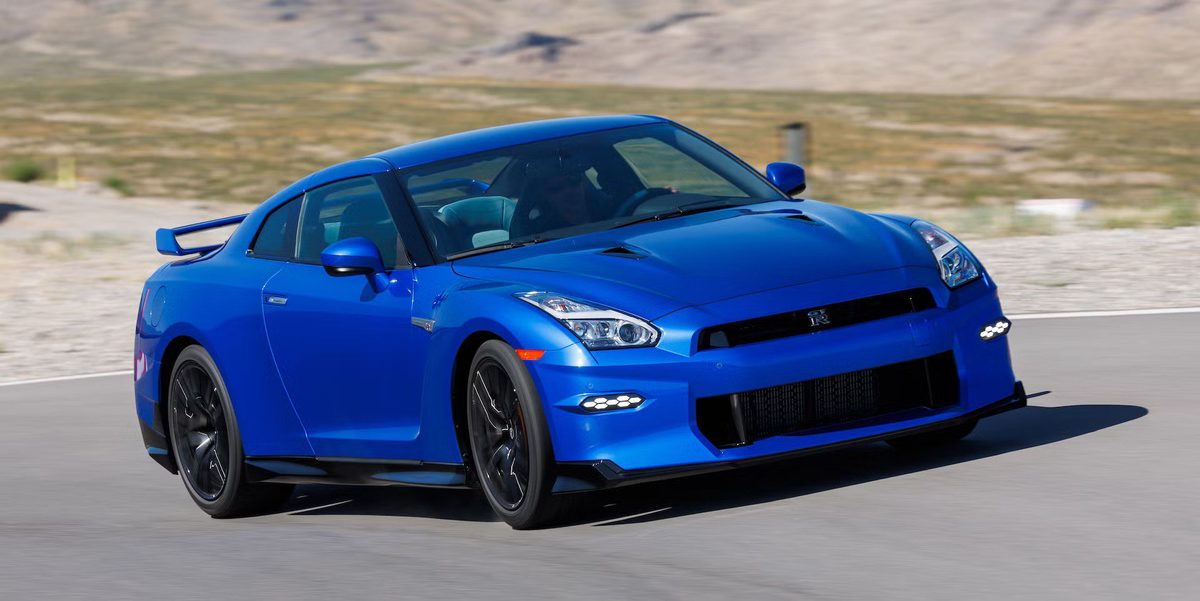
"It has to be authentic," he continued, pointing to the GT-R's defining qualities: a competitive Nürburgring lap time, all-wheel drive, and supercar capability at roughly half the price. "A mainstream GT-R can't be a $200,000 car," Pandikuthira said, acknowledging that the limited-edition NISMO version had reached that threshold. "We debuted in 2008 at about $65K or $70K, so with inflation, that's still kind of a sweet spot. If at $120K, $130K, if we can bring out the supercar performance and then have derivatives that go above $200K, that's a nice offering."
Pandikuthira went further on powertrain specifics and a rough timeline in a separate conversation with The Drive. He pointed to the engine block from the outgoing model's 3.8-liter V-6 as a solid foundation for whatever comes next, and suggested hybridization would almost certainly factor into the equation. He also confirmed that a development team is already working on an all-new car, with public announcements potentially coming within the next couple of years and an R36 GT-R plausible before the decade is out.
The key signals here are that a hybrid twin-turbocharged V-6 is considerably more likely than a fully electric powertrain. Additionally, the next GT-R will need to work on a global basis, meaning it will have to satisfy forthcoming European emissions standards.
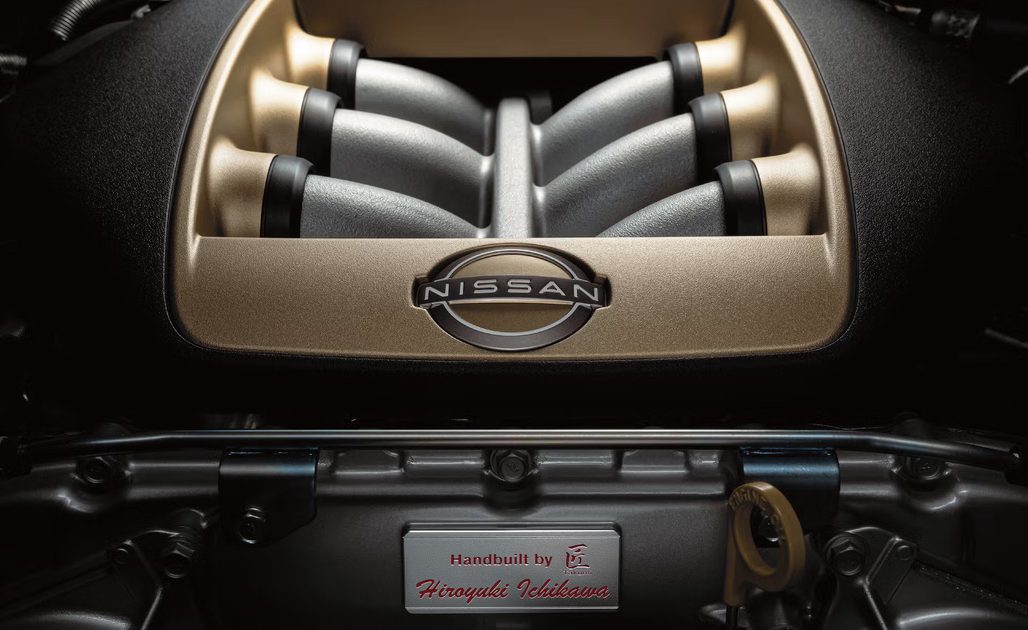
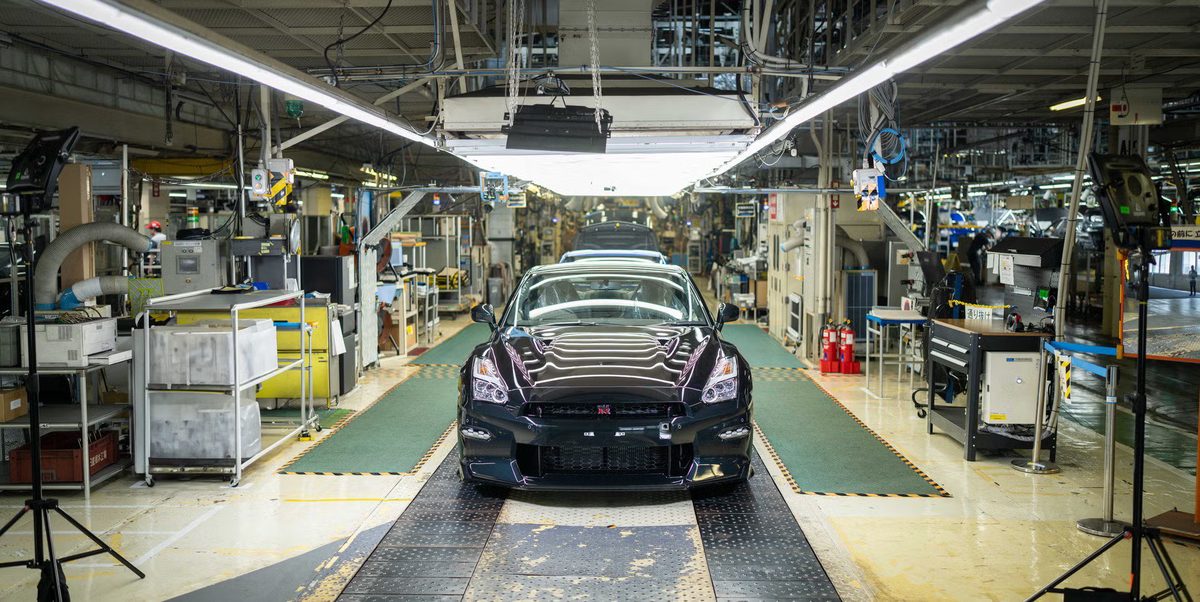
If the successor does preserve a combustion-powered V-6, Nissan may revive its Takumi engine-building tradition, in which a small group of craftspeople each hand-assemble individual engines. When R35 GT-R production came to an end, this program shifted toward producing replacement engines and spare parts, though it did bring apprentices into the fold during its run. Those apprentices could find themselves hand-building the next GT-R's engine when the nameplate returns.
In the meantime, the Z is carrying the torch for Nissan performance. Fans finally have the NISMO Z with the manual gearbox they'd been requesting — and as a bonus, it shares its front brake hardware with the GT-R.
For now, Godzilla slumbers on. But Nissan is quietly writing the next chapter. And as any fan of the franchise knows, you can't keep a great automotive kaiju dormant forever.
No comments yet.