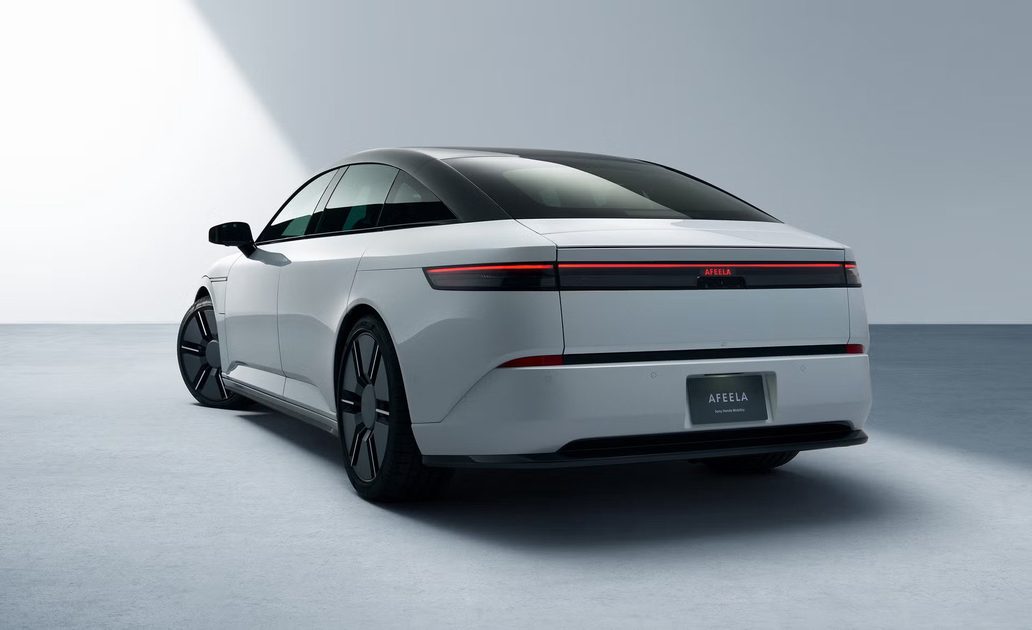
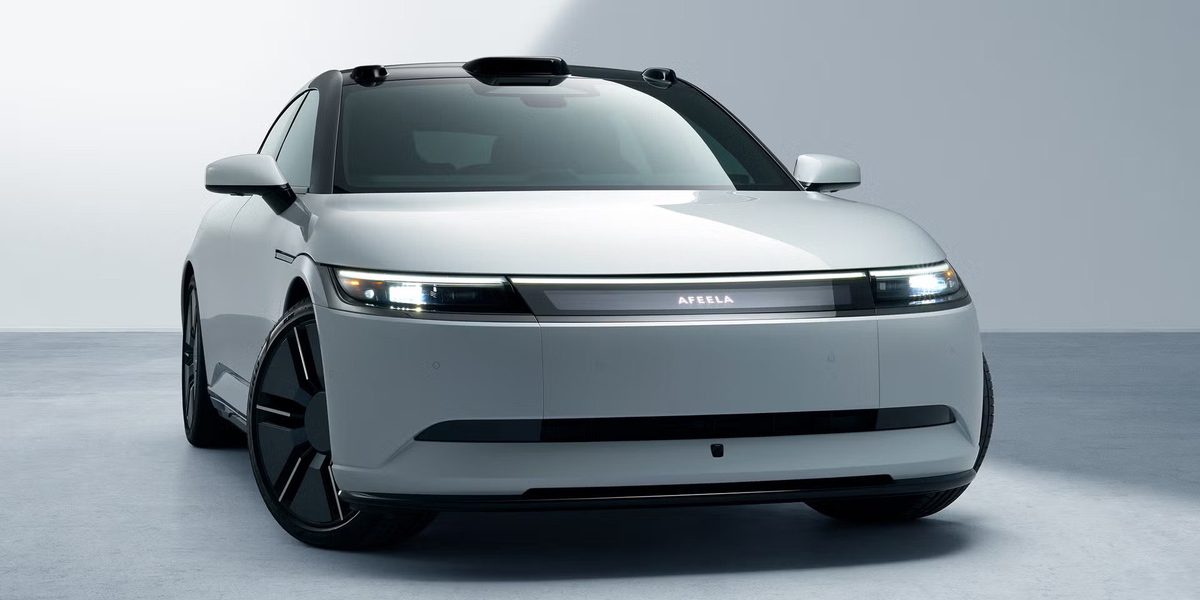
Honda made a jarring announcement yesterday: the automaker has cancelled all three electric vehicles it had planned to build in the United States, including one that was supposed to reach dealerships later this year. Once the initial shock passed, our attention turned to the Afeela 1 — the electric sedan developed as a joint venture between Honda and Sony — which was also scheduled to enter production this year at Honda's Ohio plant. Honda's EV retreat raises uncomfortable questions about the Afeela project's future.
We contacted Sony Honda Mobility to find out how Honda's decision would affect the Afeela 1. "Sony Honda Mobility is aware of Honda Motor's decision to pause its EV business in North America," a spokesperson told Car and Driver. "Our parent companies, Sony Group Corporation and Honda, will hold discussions on how this affects SHM, therefore there is no more information that we can speak to at this moment."
Nothing official has changed for the Afeela program yet, but the need to work through significant uncertainties is clear. For now, the Sony Honda Mobility spokesperson confirmed: "We are operating as usual."
The Afeela 1 was targeted for a mid-year sales launch. As recently as last August, Honda confirmed that pre-production units had already been assembled at its East Liberty, Ohio factory. Over the past two years, Honda invested heavily in transforming its Ohio operations — which also include the Marysville Auto Plant and the Anna Engine Plant — to support EV production. Critically, the facilities were configured as a flexible "EV Hub" capable of running EVs, hybrids, and gasoline vehicles on shared production lines.
Honda's Ohio EV plan called for three models: the Acura RSX, originally slated for late 2025 production (pushed to late 2026), followed by the 0-Series SUV and 0-Series Saloon. With those programs now cancelled, what happens to the three Ohio factories is uncertain.
A Honda spokesperson told Car and Driver: "Honda established a highly flexible manufacturing environment in Ohio capable of building the right products to meet customer demand," adding that "We will continue producing gasoline and hybrid vehicles at both the Marysville Auto Plant and the East Liberty Auto Plant." Marysville builds the Honda Accord and Acura Integra; East Liberty currently handles the CR-V, Acura MDX, and Acura RDX, though the RDX production ends this spring as Honda prepares a new hybrid replacement that is still roughly two years out.
None of this definitively rules out the Afeela 1. Pre-production tooling is already in place following last fall's assembly runs, and East Liberty could still produce Afeela sedans. The more likely outcome, however, is that Afeela volume would be limited as Honda shifts priority to its higher-demand gasoline and hybrid models. A premature end to the Afeela's run would come as little surprise under these circumstances.
Honda was candid about its reasons for abandoning the three EV programs, citing "the expansion of the EV market has slowed down due to several factors including the easing of fossil fuel regulations and revisions to EV incentives." Those same forces drove a meaningful EV sales slowdown across the industry at the end of 2025, darkening the Afeela 1's commercial prospects considerably.
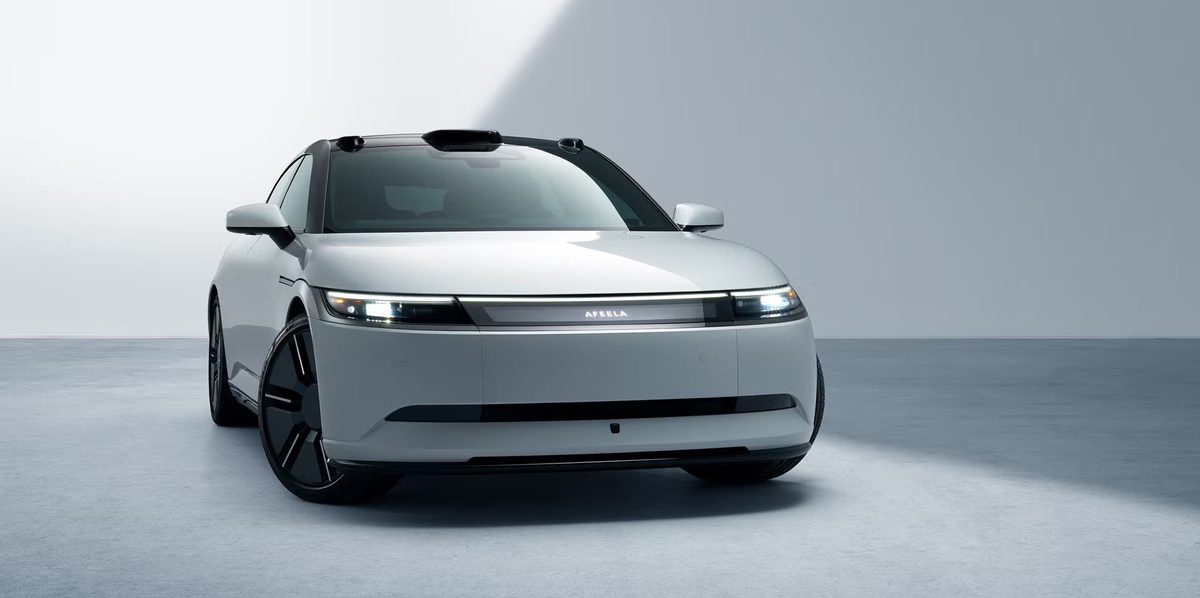
The Afeela 1 carries a $89,900 starting price, with the Signature trim opening at $102,900 — figures that aren't easily justified by the spec sheet. The car is expected to produce approximately 400 horsepower and deliver around 300 miles of range. Those numbers are acceptable, but not exceptional — particularly in a market where the Lucid Air opens at $72,400 with 420 miles of range.
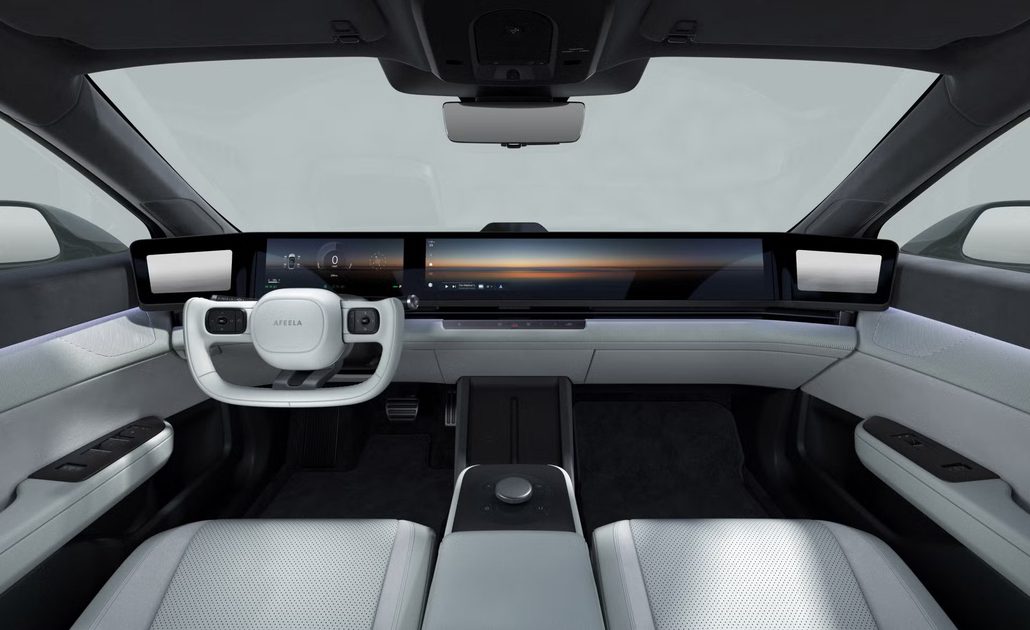
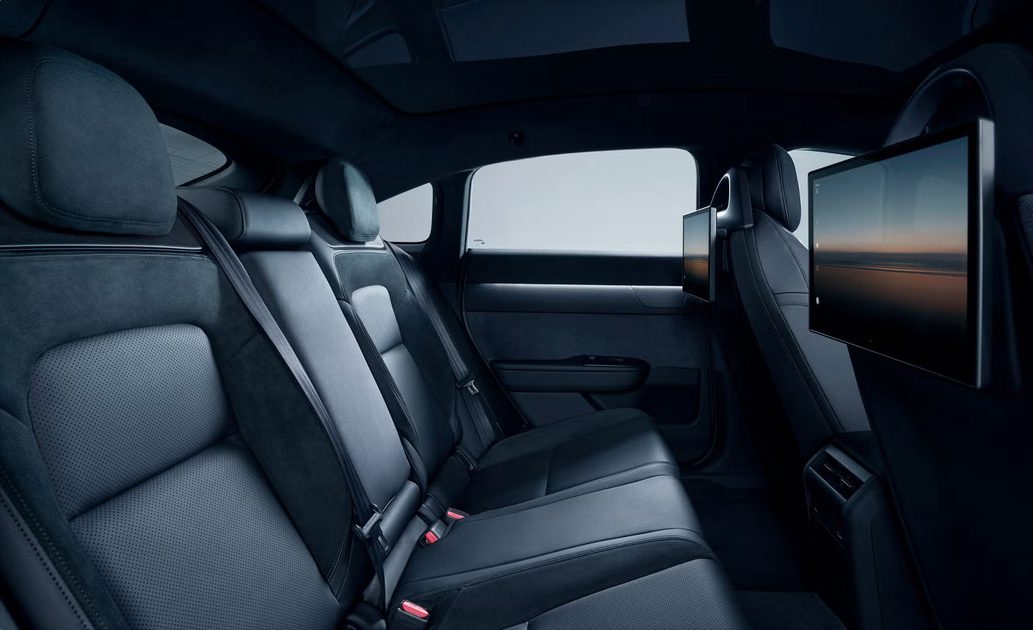
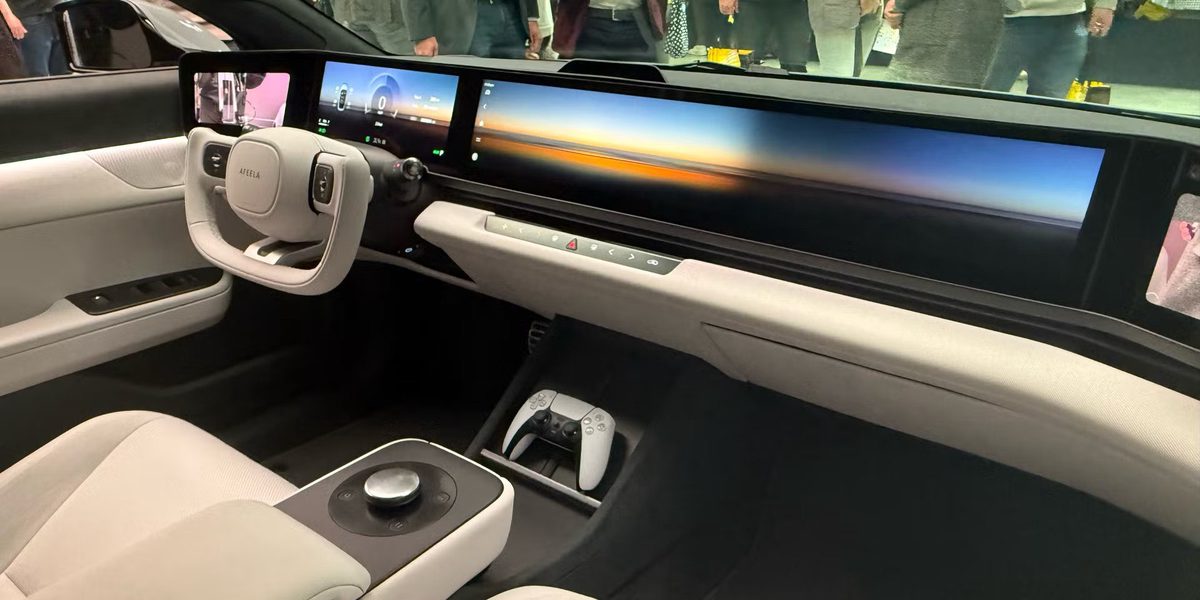
Afeela's actual pitch to buyers centers on its advanced driver-assistance technology and a highly digitized cabin with large screens supporting video streaming and gaming. Whether that proposition is compelling enough to move the needle with buyers at nearly $90,000 is genuinely uncertain. Production may still happen, but the Afeela 1 seems increasingly likely to become a minor footnote in an EV transition that never quite achieved the scale anyone predicted.
No comments yet.