As EV demand softens across the United States, a growing number of electric models have been discontinued after relatively brief careers.
Not long ago, the shift toward an all-electric vehicle market looked like a foregone conclusion. Most major automakers made bold pledges to fully electrify their lineups within a decade. But the pace of EV adoption in the U.S. has fallen short of projections, and the situation worsened when the Trump administration eliminated the $7500 federal EV tax credit at the end of September 2025.
Those headwinds have prompted dramatic reversals across the industry, with some models discontinued after a short run and many more cancelled before ever reaching showrooms. This list does not include EVs that never made it to production at all — among those are a three-row Ford SUV, the Maserati MC20 Folgore, a pair of Nissan and Infiniti sedans, and Porsche's K1 flagship EV, which will now launch with combustion and plug-in hybrid powertrains instead.
This roundup focuses on EVs that either reached the market or were close to production before being pulled. It excludes models discontinued due to normal age — like the Audi Q8 e-tron and BMW i4 — as well as those that will be replaced by a new generation soon, such as the Polestar 2 and Mercedes-Benz EQB.
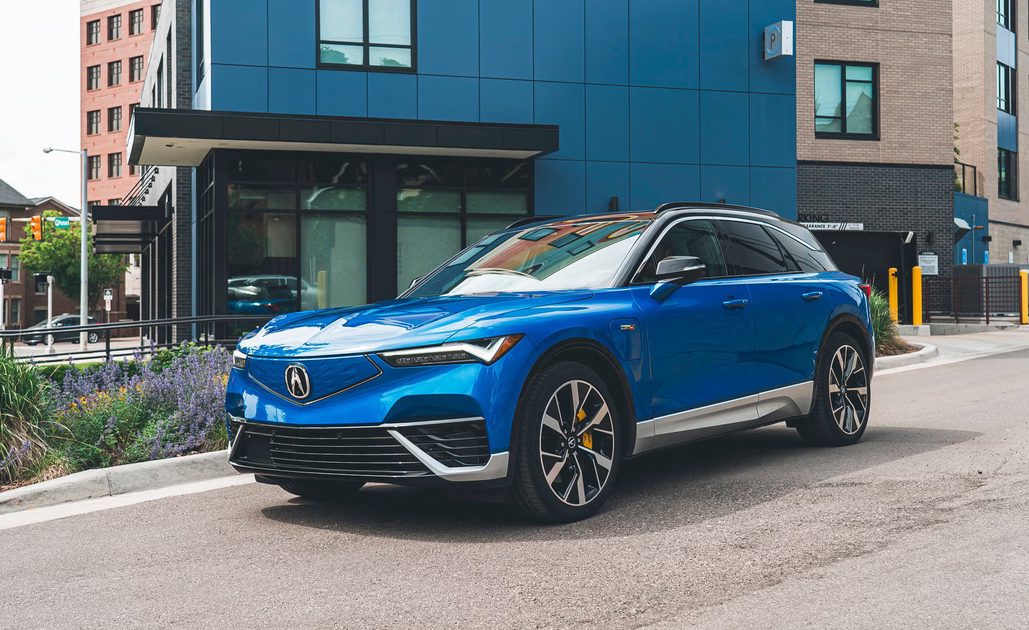
Acura confirmed in September 2025 that the ZDX — the brand's first-ever electric vehicle — was being discontinued. The ZDX was built on GM's platform and assembled alongside the Cadillac Lyriq at the Spring Hill, Tennessee factory. It survived just one model year, and its discontinuation was announced shortly before the federal EV credit expired.
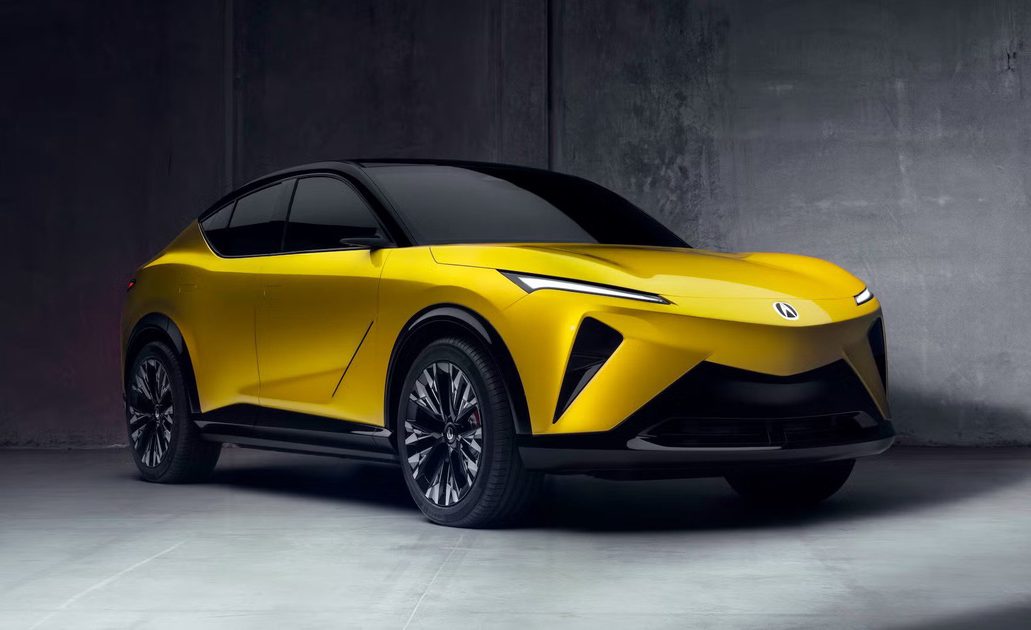
In March 2026, Honda announced the cancellation of three U.S.-built EVs, including the Acura RSX. The RSX was only months from reaching dealerships and had been expected to pair striking styling with a dual-motor powertrain.
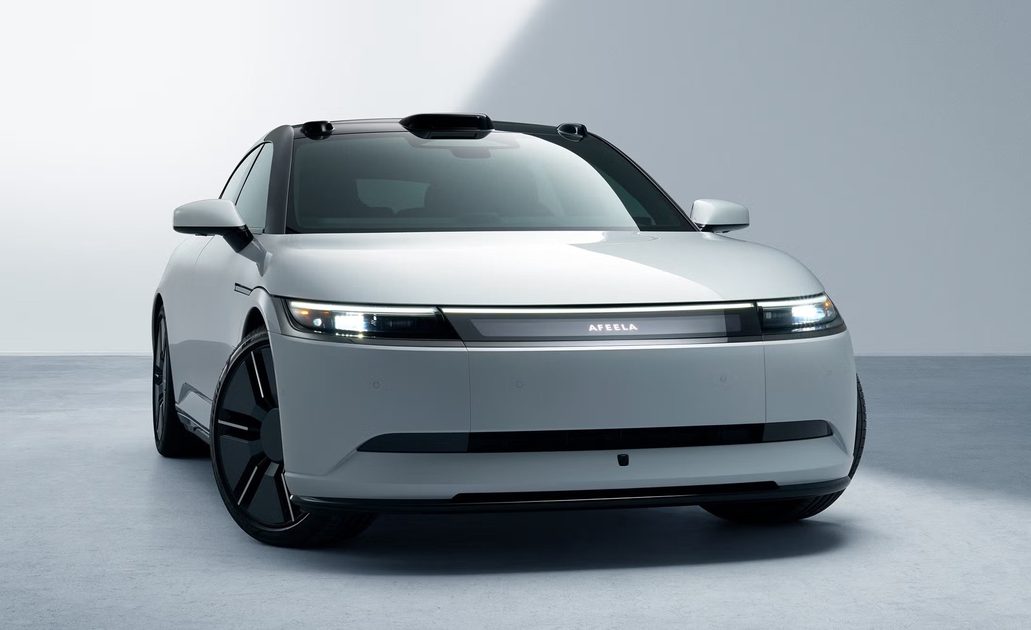
Sony and Honda had jointly developed an electric sedan called the Afeela 1, revealing a prototype at CES 2023 and unveiling the production-ready version at CES 2025. The plan was for the Afeela 1 to be built at Honda's Ohio plant alongside two Honda-branded EVs and an electric Acura, beginning in 2026. When Honda cancelled its three U.S. EV programs, Sony Honda Mobility quickly followed with an announcement that both the Afeela 1 and a planned Afeela SUV were also cancelled.
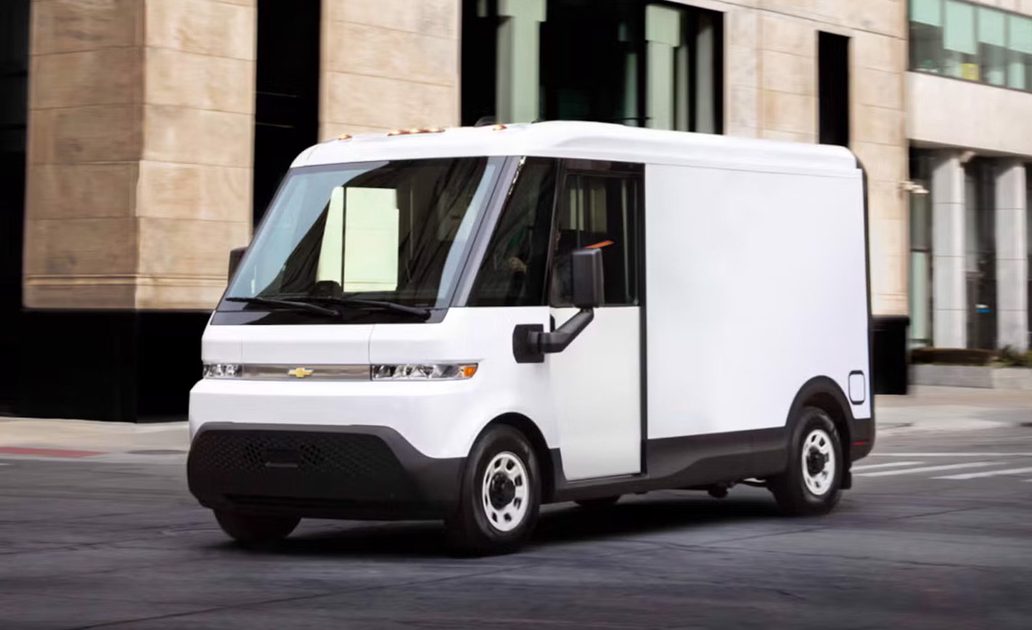
General Motors revealed in October 2025 that the BrightDrop electric vans — launched initially under their own nameplate before moving under the Chevrolet umbrella for 2025 — were being discontinued. GM blamed the electric commercial van market's slower-than-expected growth. The vans were expensive, starting at $67,925 for the smaller 400 model and $69,425 for the larger 600. An Extended Range battery option arrived for 2026, but only a small number of those models were built before the program ended. In August 2025, GM and Hyundai had announced a joint venture to develop a new electric van for North America, targeted for U.S. production in 2028.
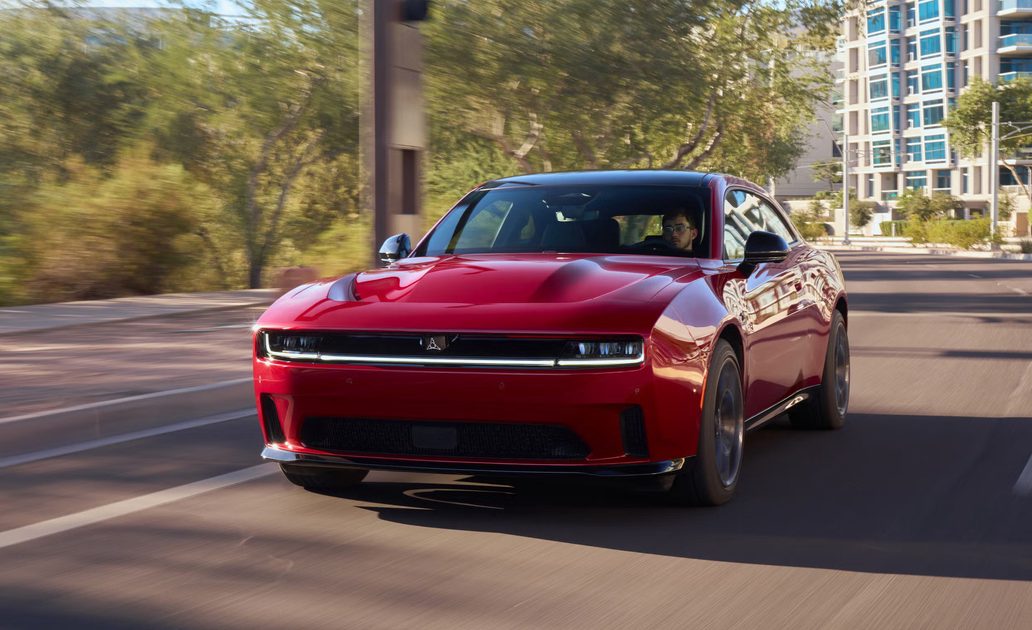
Dodge brought the Charger name into the electric era for 2025 with the Charger Daytona coupe, but trimmed the lineup for 2026 to a single trim. The 496-hp R/T was dropped after 2025, with only the 670-hp Scat Pack remaining. Dodge characterized the R/T's end as a "postponement" while the company evaluates the impact of U.S. tariff policies. The Charger Daytona is manufactured in Windsor, Ontario. Separately, a report from October 2025 indicated that Dodge had also cancelled development of a high-performance Charger EV rumored to be called the Banshee, reportedly targeting around 1000 horsepower.
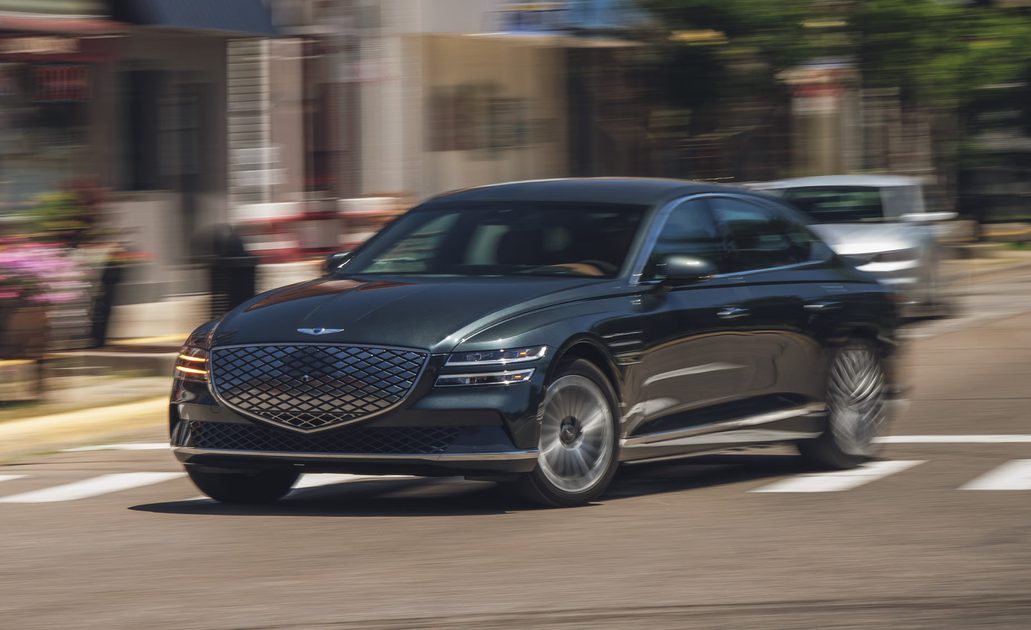
Genesis discontinued the Electrified G80 in the U.S. in August 2025 after a short run. The luxury sedan was essentially identical to the gas-powered G80 visually but replaced the twin-turbo V-6 with electric motors and an 87-kWh battery rated by the EPA for 282 miles. The model peaked at 1329 U.S. sales in 2023 and never found significant traction. Genesis cited "ever-changing consumer needs and market conditions" in explaining the decision.
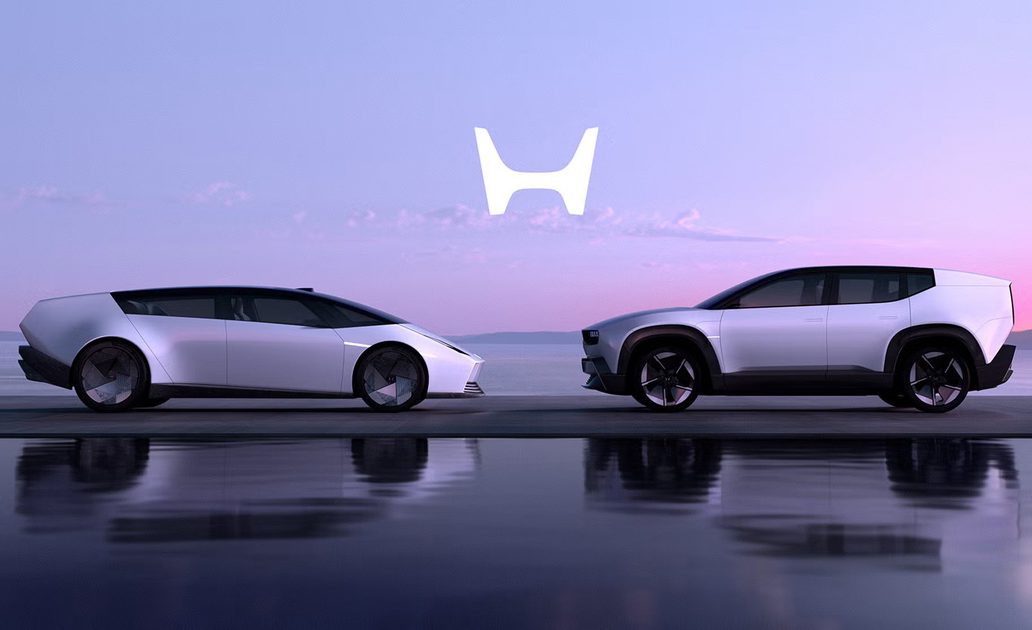
Honda showed prototypes of two 0-Series vehicles at CES 2025 — the 0-Series SUV and the 0-Series Saloon — on a new platform designed to underpin an entirely new EV lineup with its own ASIMO OS operating system. In March 2026, Honda announced that all three of its planned U.S.-built EVs were cancelled, less than a year before the 0-Series vehicles were scheduled for launch.
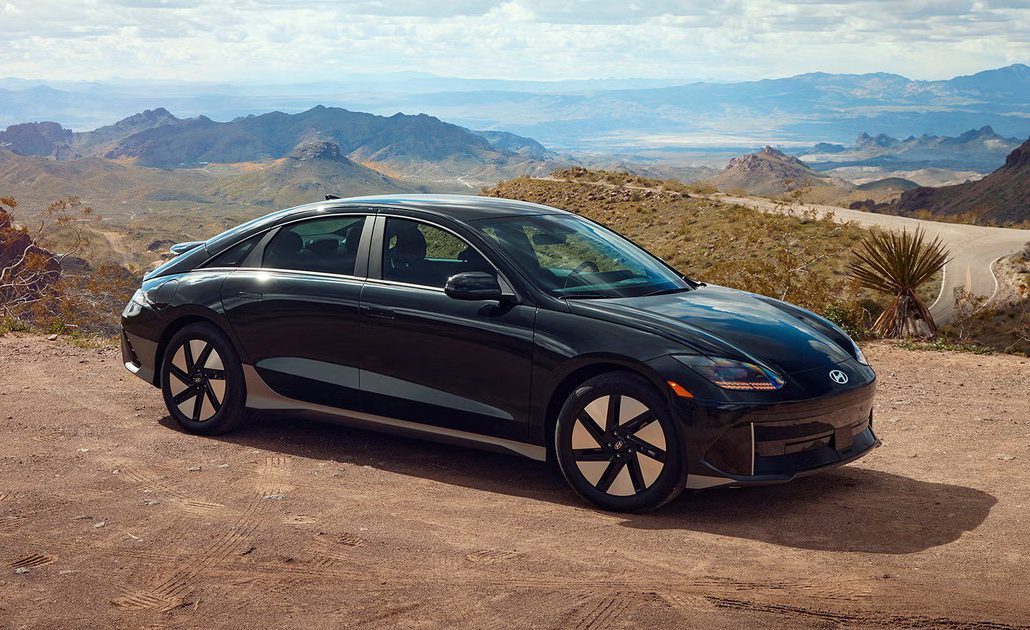
Hyundai had updated the Ioniq 6 for its domestic market and planned to bring the refreshed sedan to the U.S. as well. That changed in March 2026, when Hyundai announced the Ioniq 6 would be discontinued after the 2025 model year. The exception is the high-performance Ioniq 6 N, wearing the newer body, which Hyundai plans to bring to the U.S. in limited numbers in 2026. U.S. Ioniq 6 sales stood at 10,478 in 2025, down from 12,264 in 2024.
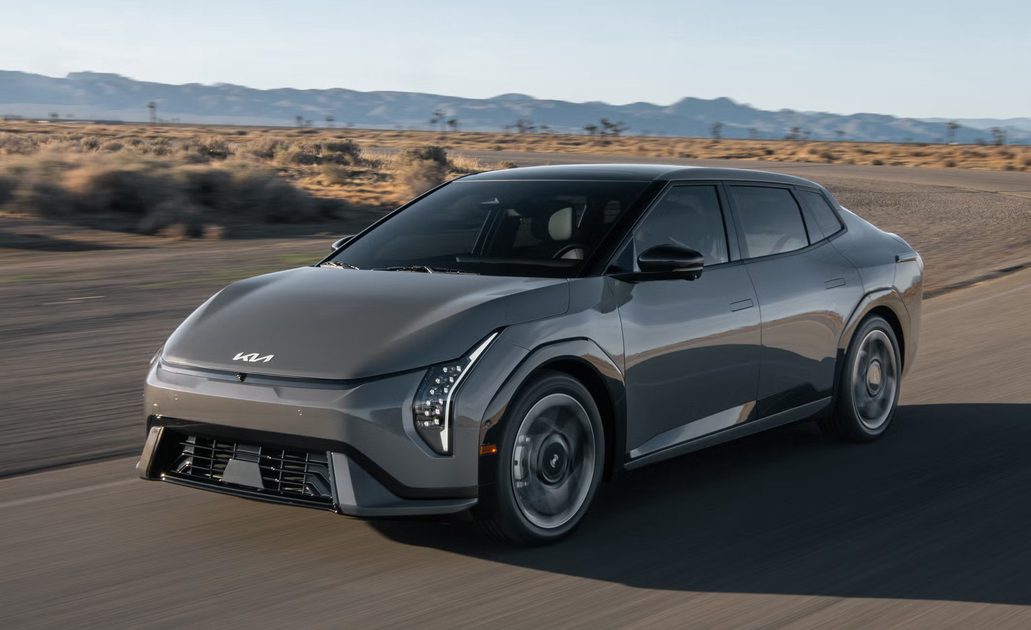
The distinctive Kia EV4 sedan had been targeted for a U.S. launch in the first quarter of 2026, priced below $40,000, with the Wind trim's larger battery offering up to 330 miles and the base Light trim providing 235 miles. In October 2025, Kia confirmed the U.S. launch was delayed indefinitely due to market conditions. The EV4 now appears unlikely to ever go on sale in the United States.
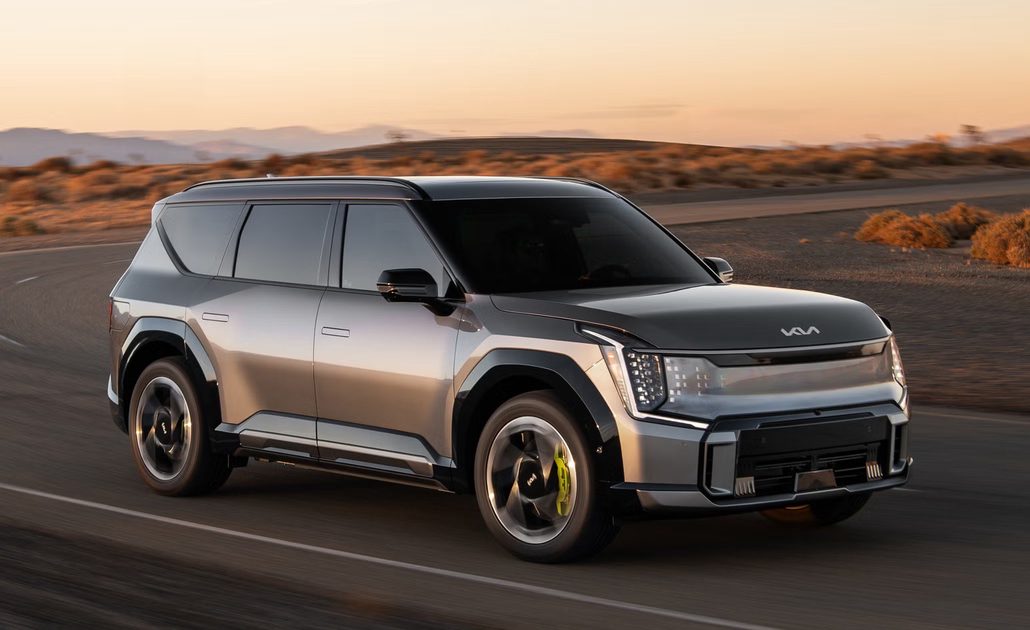
Kia had planned a performance variant of its EV9 three-row SUV — the EV9 GT — featuring 501 horsepower and upgraded brakes, tires, and suspension. In November 2025, Kia announced the EV9 GT was delayed indefinitely, and in March 2026 confirmed that the EV6 GT was also being discontinued.
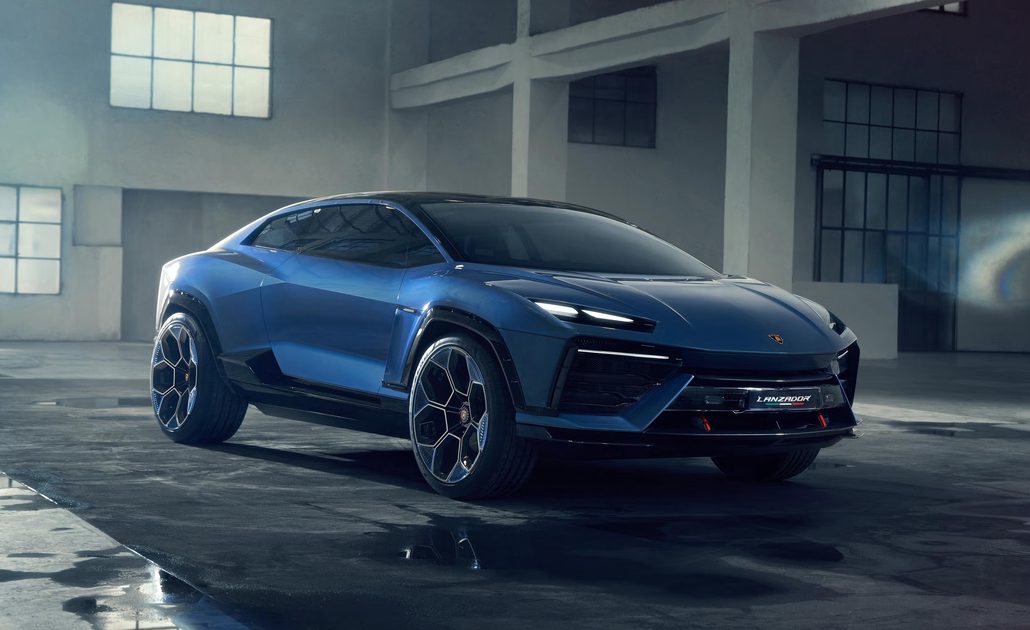
Lamborghini revealed a pointed, SUV-height concept called the Lanzador in 2023, combining a coupe-like roofline with elevated ride height. The Lanzador was intended to be Lamborghini's first pure EV, scheduled for a 2029 launch. In February 2026, the company confirmed the full-EV version was cancelled, with the Lanzador now set to arrive as a plug-in hybrid instead. Lamborghini also cancelled an electric next-generation Urus, which will similarly adopt a PHEV powertrain when it arrives later this decade.
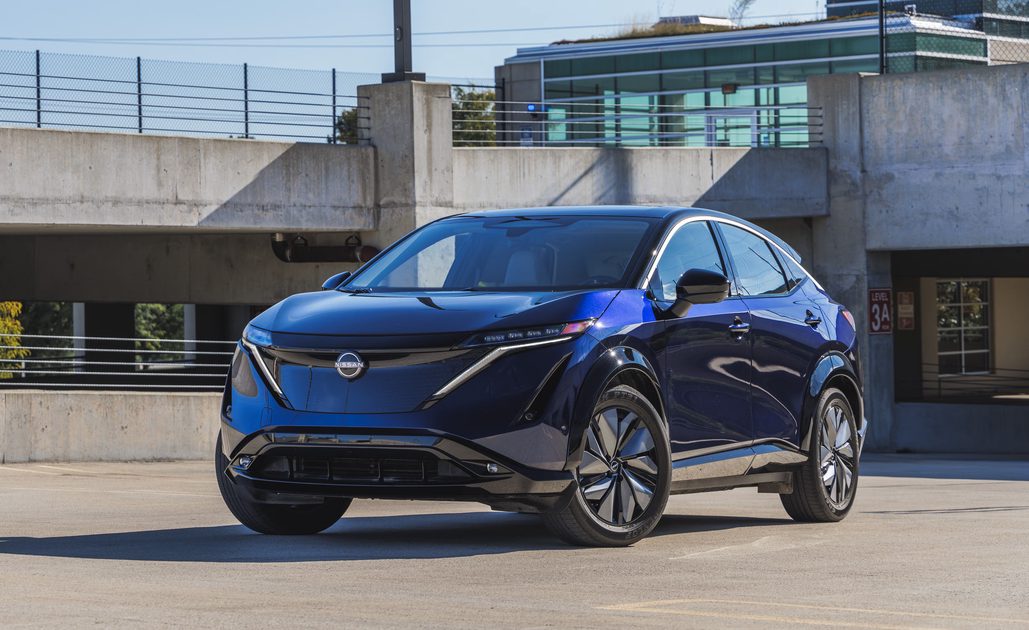
Nissan launched the Ariya EV for the 2023 model year, but halted U.S. production after just three years. Although Nissan used the word "pause," there are currently no plans to reintroduce the Ariya stateside. The Ariya was offered with a 238-hp front-wheel-drive model and two all-wheel-drive variants producing either 335 or 338 horsepower. Range was up to 304 miles on the single-motor version and up to 272 miles with dual motors.
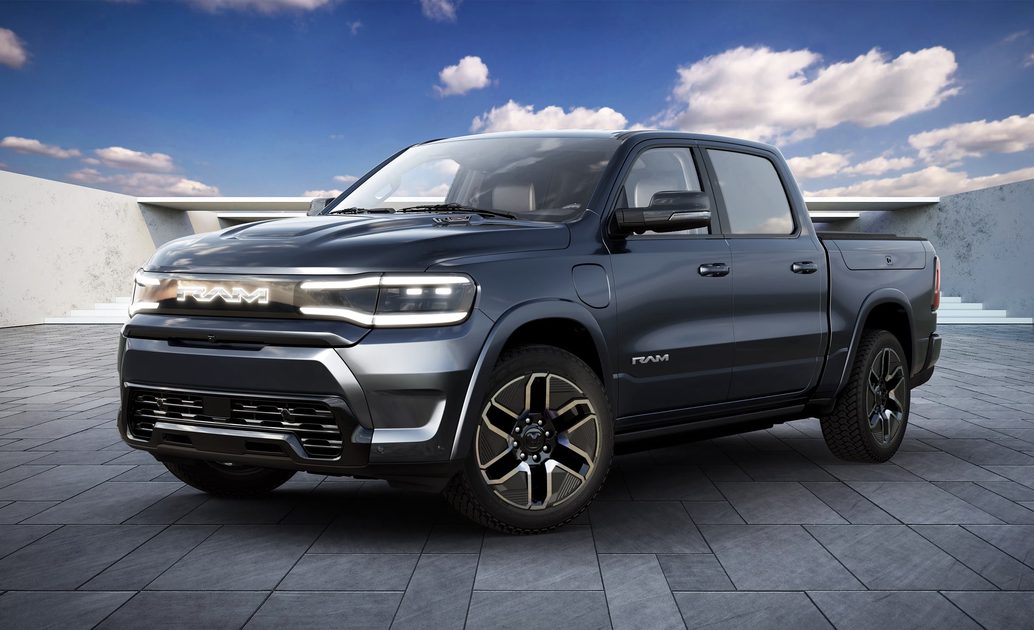
Ram debuted an electric full-size pickup in 2023, positioning it against the Chevrolet Silverado EV and Ford F-150 Lightning. After multiple delays, Ram officially abandoned plans for the electric truck in September 2025, citing weakening EV demand. The model had been named the 1500 REV, but Ram has now repurposed the REV designation for its upcoming plug-in hybrid 1500, which had previously been called the Ramcharger.
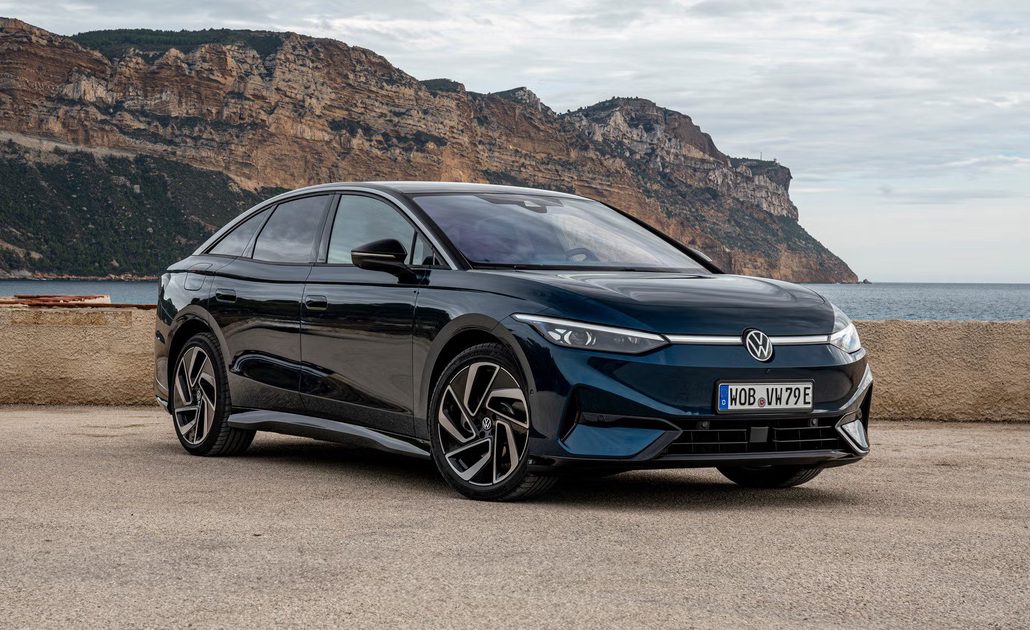
Volkswagen unveiled an electric sedan in 2023 that appeared set to fill the market role once held by the Passat. In January 2025, VW announced it would not bring the ID.7 to the U.S. The car had been expected to launch with a 282-hp rear-wheel-drive single-motor setup, with a dual-motor AWD version to follow. The ID.7 remains on sale in Europe.
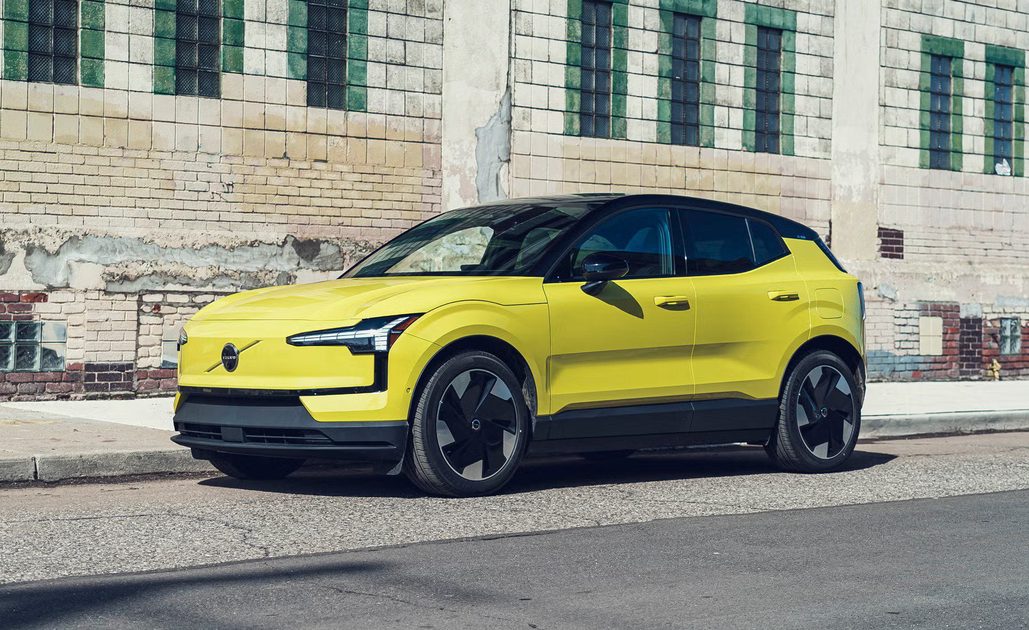
Volvo discontinued the EX30 in the U.S. after just two model years. Volvo's most affordable EV, the EX30 started at $40,345 and gained a rugged Cross Country variant for 2026. Only 5409 EX30s found buyers in the U.S. in 2025.
No comments yet.