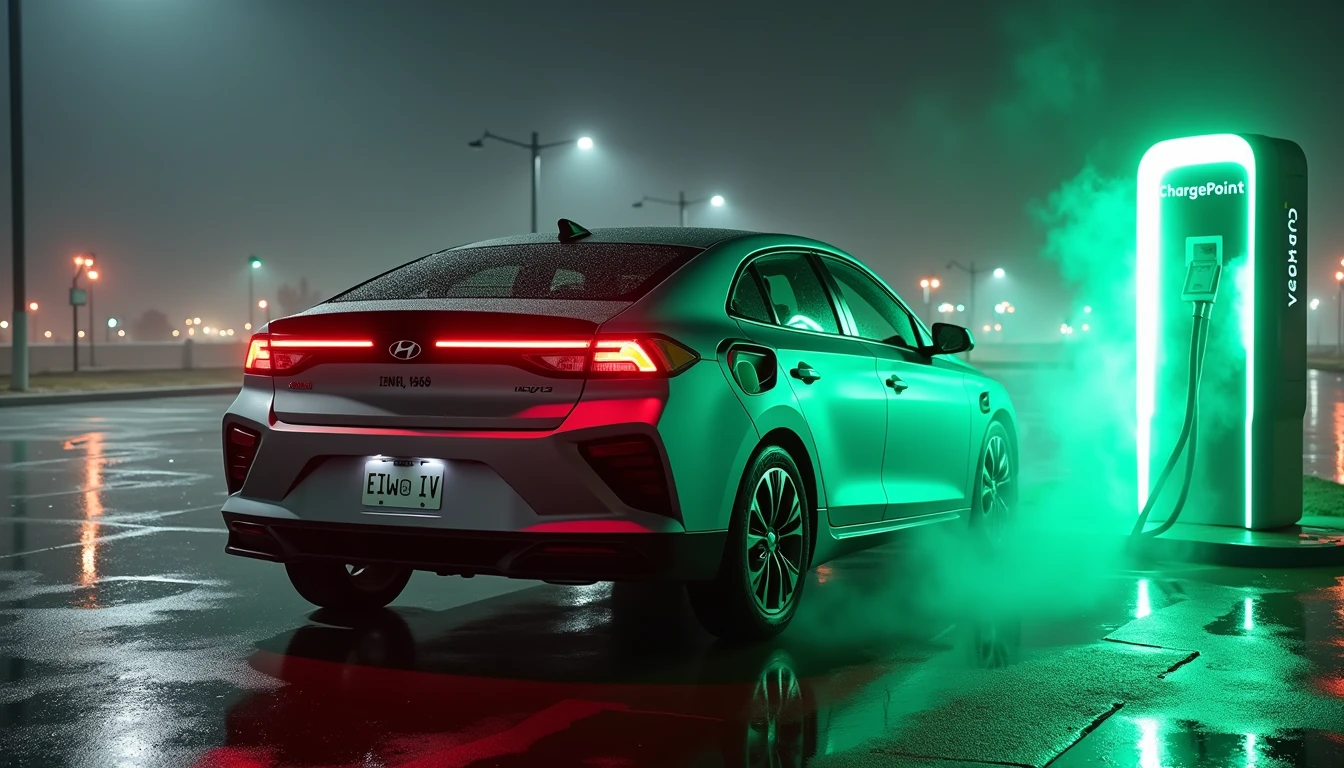
GM Freezes EV Trucks as ChargePoint Unleashes 600kW Charger: The Reality Check We Needed
Three years ago, the industry playbook was simple: electrify everything or die. Today, GM just shelved its next-generation full-size EV trucks and SUVs, while ChargePoint dropped a 600-kW charger that current EVs can barely tap into. As an analyst who tracks these numbers daily, I'm calling this what it is: a market correction disguised as a strategy shift. The hype train has derailed, and the data is finally catching up to reality.
The Charger Arms Race vs. Vehicle Acceptance
Let's look at the hardware gap. ChargePoint just unveiled a 600-kW fast-charging beast. That isn't a concept slide; it's infrastructure built to push massive power. Now look at the cars on the road. My Rivian R1T, which I drive daily in Austin, peaks at roughly 200 kW. The F-150 Lightning maxes out near 150 kW. Even the Silverado EV, with its aggressive 800V architecture, struggles to sustain 350 kW outside of ideal thermal windows.
ChargePoint just built a charger that is 2x to 4x faster than the vehicles using it. This isn't just over-engineering; it's a signal that the bottleneck is shifting. The grid and the charger hardware are sprinting ahead of battery chemistry and thermal management limits.
GM's decision to put next-gen full-size EV platforms on ice suggests they see this mismatch, or perhaps the demand forecasts that justified the capex have crumbled. Halting development on the trucks that drive the most profit is a nuclear option. It implies the current generation has more runway than analysts predicted, or the ROI math on the next wave just broke under the weight of charging fragmentation and slower adoption curves.
By the Numbers: The Power Gap
- ChargePoint New Unit: 600 kW max output.
- Typical EV Truck Peak: 150–350 kW (varies by model/thermal state).
- GM Status: Next-gen full-size EV trucks/SUVs placed on ice.
- Implication: Infrastructure capability now exceeds vehicle acceptance by up to 4x.
The Tesla Demand Mirage
Speaking of demand, here's a stat that should make every fleet manager sweat. A new report claims nearly 20% of Tesla Cybertrucks are being bought by Musk's other companies. That's one in five trucks absorbed internally.
For a vehicle priced to compete in the heavy-duty utility segment, this internal absorption is a red flag. If you're buying 20% of your production just to keep the assembly line humming and the delivery numbers green, that's not market demand; that's accounting gymnastics. It suggests the organic order book is thinner than the press releases indicate. For an EV analyst, this distorts the sales velocity metrics we use to track market health. When related-party purchases become a significant chunk of volume, the demand curve is flatter than the stock chart suggests.
Ford Recall: Transmission Risk on 2015–2017 F-150s
If you own a 2015, 2016, or 2017 F-150, stop reading and check your VIN. Ford is issuing another massive recall for a transmission issue.
What to do right now:
1. Visit NHTSA.gov or call your local Ford dealer immediately with your VIN to confirm if your truck is affected.
2. Do not ignore warning lights related to transmission performance.
3. The defect involves transmission failure risks that can lead to a loss of drive.
4. The fix timeline will be detailed in owner notifications; expect parts availability to roll out over the coming weeks. Schedule service as soon as you receive the notice.
What's Actually Moving Metal?
Amidst the pauses and recalls, there's hardware that warrants attention. The 2027 Hyundai Ioniq 3 just broke cover. The description is "cute 'n' quirky," but Hyundai is proving they can move volume with distinct, polarizing designs that cut through the sea of aero-optimized blobs. It's a smart play for the mass market, offering personality without the premium tax.
On the performance side, Ford smashed its previous Mustang GTD Nürburgring time by over 11 seconds. At the 'Ring, 11 seconds is an eternity. This isn't just marketing fluff; that delta represents massive gains in aero efficiency, tire technology, and powertrain calibration. It validates that Ford's GTD program isn't just about lap times; it's about pushing the envelope on what a road-legal Mustang can handle.
The Bottom Line
The market is bifurcating. You have legacy giants freezing platforms while charger makers build infrastructure that outpaces the cars, and Tesla relying on internal buys to prop up demand metrics. Meanwhile, Hyundai and Ford are just building cars that people want to drive.
As someone who lives in the data, I'm watching the GM pause closely. If the charging network hits 600 kW before the next-gen trucks get there, the value proposition for early adopters shifts. The tech is ready, but the vehicles and the demand aren't keeping pace. Stay sharp, check your recalls, and don't believe the hype without the spreadsheet.