The 2022 ford escape sel plug in is a confusing search term with a useful car hiding behind it. Ford sold the 2022 Escape Plug-In Hybrid, but the plug-in powertrain was generally associated with the SE trim rather than an SEL Plug-In Hybrid configuration. That distinction matters when you compare listings, decode equipment, estimate insurance, and decide whether the vehicle deserves a place on your shortlist.
Three years ago, nobody predicted this. Here's the data that proves it: a used plug-in hybrid crossover can still cover most weekday errands on electricity while retaining a gasoline engine for road trips. The catch is that the Escape PHEV is not a full EV, and shoppers need to verify the exact trim instead of trusting a dealer headline.
What the 2022 Ford Escape Plug-In Hybrid Actually Is
The 2022 Escape Plug-In Hybrid used a 2.5-liter Atkinson-cycle four-cylinder engine, an electric motor, and a 14.4-kilowatt-hour lithium-ion battery pack. The EPA-rated electric range was 37 miles, while combined fuel economy was rated at 38 mpg when the battery charge was depleted. Those numbers are estimates from standardized testing, not a promise for every commute. Cold weather, highway speed, cabin heating, and aggressive acceleration can reduce electric range.
Output was 221 horsepower, sent through a continuously variable transmission and front-wheel drive. All-wheel drive was not offered with the plug-in hybrid system. That limitation is easy to overlook if you are comparing it with a conventional Escape Hybrid or a gas-powered Escape equipped with AWD.
By the Numbers: 37 miles of EPA electric range, 38 mpg combined after charge depletion, 221 horsepower, and a 14.4-kWh battery. The 2022 Ford Escape Plug-In Hybrid was designed for efficient commuting, not high-speed charging or trail work.
The 2022 ford escape sel plug in question often appears because the SEL trim added desirable features elsewhere in the Escape lineup, including extra convenience equipment and available options. However, a listing labeled SEL Plug-In Hybrid should be checked against the VIN, window sticker, battery placement, and original equipment list. A seller may be using “SEL” loosely, or the vehicle may simply be a gasoline SEL with a different hybrid-related description.
Electric Range, Charging, and Daily Use
The battery is large enough to make a meaningful difference for a driver with a short commute. If your round trip is 24 miles, you could potentially complete it without starting the gasoline engine under moderate conditions. If the trip is 45 miles, the final portion will use gasoline. That is still useful, but the savings calculation changes.
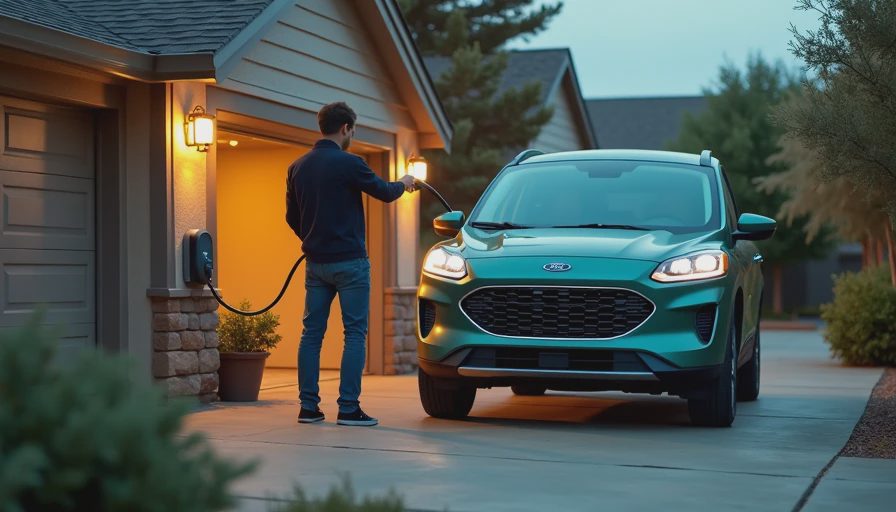
Charging is one of this vehicle's strongest practical advantages and one of its biggest technical limitations. The Escape PHEV uses a 120-volt household cable for slow charging and supports Level 2 charging through a 240-volt connection. It is not a DC fast-charge vehicle. A full recharge takes several hours, so overnight charging is the normal routine rather than a quick stop at a public station.
For a home with a dedicated garage outlet, charging can be inexpensive and simple. A renter who depends on public Level 2 stations could spend more time and money than expected. At an assumed electricity price of 16 cents per kilowatt-hour, a roughly 12-kWh refill would cost about $1.92 before charging losses. That is an estimate, but it illustrates why home charging is central to the ownership case.
The number they're showing vs. the number that matters: 37 miles of advertised electric range versus the portion of your real commute that can be completed electrically. If your commute is 18 miles each way, the car fits well. If you regularly drive 70 highway miles, the plug-in advantage shrinks quickly.
Price, Used-Value Logic, and Incentives
The original 2022 Escape Plug-In Hybrid carried a higher starting price than a standard Escape because of its battery and electric hardware. Used pricing now depends heavily on mileage, accident history, battery warranty status, location, and whether the seller has documented charging equipment. I would treat any advertised price as a starting point and compare at least five similar listings within a practical driving radius.
Do not build your budget around an incentive until you confirm eligibility. Federal and state rules for used plug-in vehicles can change, and income limits, purchase price limits, dealer reporting, and vehicle qualification rules can apply. A tax credit is not the same as an instant discount, and a vehicle purchased from a private seller may not qualify under the same rules as a dealer transaction.
For an analyst-style purchase model, separate the costs into four lines: purchase price, fuel and electricity, maintenance, and insurance. If you drive 10,000 miles per year and complete half of those miles electrically, the PHEV can reduce gasoline use substantially. If you rarely charge, you are carrying battery weight without capturing the main benefit.
The 2022 ford escape sel plug in can look expensive beside a conventional used compact SUV until you model energy use. It can also look cheap until you add a home charger, higher registration costs, financing interest, and the insurance premium for the specific driver and ZIP code.

Insurance and Ownership Costs
Insurance does not price a vehicle solely by its fuel type. Carriers typically consider the model's repair history, theft risk, safety equipment, claim patterns, driver profile, coverage limits, deductible, mileage, and location. A plug-in hybrid can have different repair costs from a gas Escape because its high-voltage components require specialized diagnostic work, while its gasoline engine and body parts remain familiar to many repair networks.
Get quotes for the exact VIN before signing a purchase contract. Compare liability limits, collision coverage, comprehensive coverage, uninsured motorist protection, and rental reimbursement rather than looking only at the six-month premium. A $1,000 collision deductible can lower the premium, but it also means keeping that amount available after a covered crash.
Ask whether the insurer offers discounts for low annual mileage, vehicle safety features, bundling, paid-in-full billing, or telematics. Progressive, GEICO, State Farm, and regional carriers can rank very differently for the same driver, so a quote comparison is more reliable than assuming one national brand is cheapest. The 2022 ford escape sel plug in should be quoted as a plug-in hybrid by VIN, not as a generic Escape.
What to Inspect Before Buying
Start with the battery warranty documentation and service history. Look for charging faults, warning lights, uneven tire wear, accident repairs near the battery area, and evidence of water intrusion. A pre-purchase inspection by a Ford-trained technician is money well spent; a typical inspection can cost roughly $150 to $300, while uncovering a major hybrid-system problem can prevent a much larger bill.
Confirm that the charging cable is included. Replacing missing equipment can cost several hundred dollars. Test the vehicle from a full charge, observe whether electric operation engages smoothly, and check that the gasoline engine starts without unusual vibration. Run the VIN through an approved history report and compare the recorded mileage with service invoices.
Also inspect cargo space and rear-seat comfort. Battery packaging affects how the floor and underfloor storage are arranged, and the PHEV is not the best choice for buyers who need maximum cargo volume or all-wheel-drive traction. A conventional Escape Hybrid or another compact PHEV could fit better if those requirements rank above electric commuting.
My CaliperScore Buying Decision
On the CaliperScore rubric, this vehicle scores well for short-commute efficiency, familiar crossover packaging, and road-trip flexibility. It scores lower for charging speed, trim confusion, front-wheel-drive-only availability, and the possibility that used buyers will overpay for a poorly documented example.
I would shortlist the 2022 ford escape sel plug in only after confirming that the vehicle is genuinely the plug-in model and not a mislabeled SEL. The right example has a clean history, a working charge cable, clear warranty records, and an insurance quote that fits your monthly budget. For a driver who can charge nightly and travels fewer than 35 electric miles most days, it is a rational bridge between a gas SUV and a full EV. For someone without reliable charging, choose a conventional hybrid and keep the spreadsheet honest.
No comments yet.