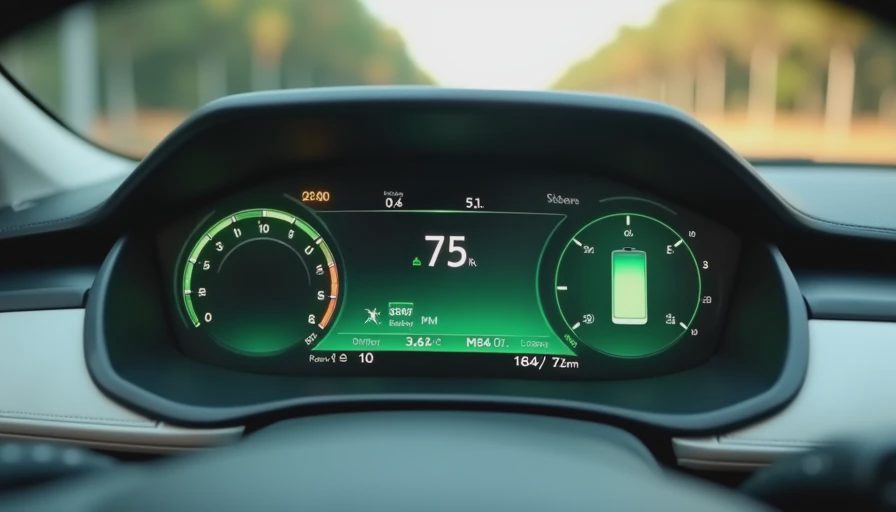
If you’re shopping for an electric car, you’ve probably fixated on the EPA range number. But that number is a snapshot—what really matters is **EV range retention**, or how much of that initial range your battery can hold onto after years of use and thousands of charge cycles. Three years ago, few buyers cared about degradation curves. Now, with EVs flooding the used market, **EV range retention** is the metric that separates a smart long-term purchase from a costly mistake. Here’s the data that proves it.
What Is EV Range Retention?
**EV range retention** measures the percentage of a battery’s original capacity that remains after a given number of miles or charging cycles. For example, a car with a 300-mile EPA rating that still delivers 270 miles after 100,000 miles has 90% **EV range retention**. This isn’t just a lab number—it’s what you’ll experience on the road. Manufacturers often warranty batteries to retain at least 70% capacity for 8 years or 100,000 miles, but real-world data from Tesla, Hyundai, and others shows many packs hold well above that. By the Numbers: Studies from Recurrent Auto and Geotab show average degradation of about 2.3% per year for modern EVs, though that varies wildly by chemistry and usage.
By the Numbers: How Battery Chemistry Affects EV Range Retention
Not all lithium-ion packs are created equal. Nickel-manganese-cobalt (NMC) batteries, common in many EVs, typically show 2-3% annual degradation in moderate climates. Lithium iron phosphate (LFP) packs, now used in base Tesla Model 3 and some Ford Mustang Mach-E trims, often degrade more slowly—around 1% per year—but are more sensitive to cold. On the CaliperScore rubric, LFP scores higher for **EV range retention** over 200,000 miles, but lower for cold-weather performance. The number they’re showing vs. the number that matters: EPA range doesn’t account for chemistry differences; real-world **EV range retention** does.
Charging Habits That Crush (or Save) Your Range
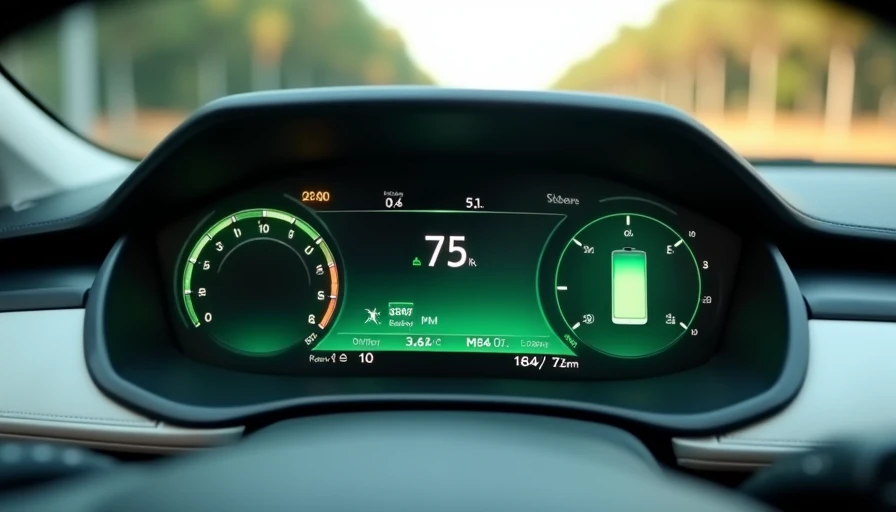
Your day-to-day charging routine is the single biggest factor in **EV range retention**. Repeated DC fast charging above 80% generates heat that accelerates degradation. Data from Idaho National Laboratory shows that EVs charged almost exclusively on Level 2 (240V) lose about 10% capacity after 100,000 equivalent miles, while those using DCFC 80% of the time lose about 15%. The sweet spot: keep your charge level between 20% and 80% for daily driving, and only charge to 100% before a long trip. Also, avoid letting the battery sit at 0% or 100% for extended periods. If you follow this, you can push **EV range retention** well above 90% past 100,000 miles.
Climate and Real-World EV Range Retention
Temperature is the hidden variable. In hot climates (Phoenix, Austin), batteries degrade faster. A study by Geotab found that EVs in Phoenix lose about 3.5% capacity per year, compared to 2.3% in moderate San Francisco. In extreme cold, range drops temporarily, but **EV range retention**—the permanent capacity fade—is less affected. However, frequent thermal cycling (going from hot to cold) can stress packs. If you live in a region with extreme temps, consider an EV with a liquid thermal management system (most modern ones have it). That system preserves **EV range retention** by keeping the battery in its happy zone.
How to Maximize Your EV’s Range Retention
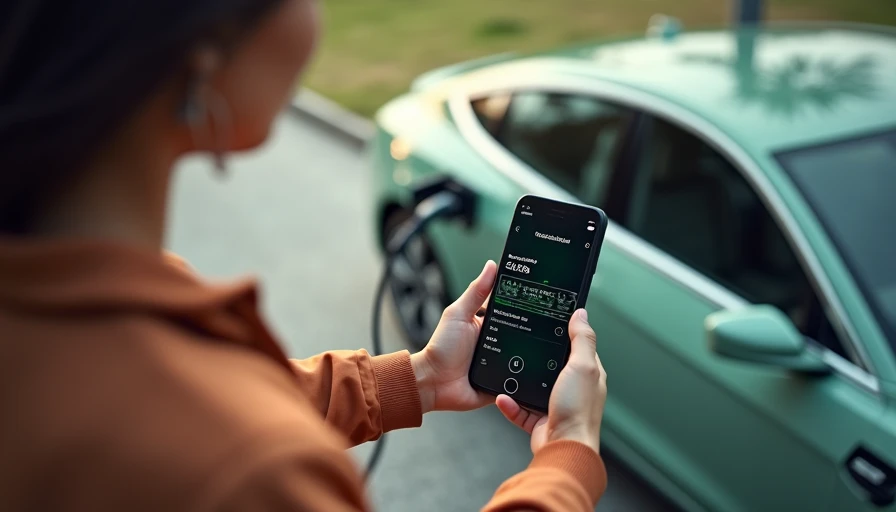
- **Limit DC fast charging**—use Level 2 at home or work whenever possible.
- **Keep state of charge between 20-80%** for daily driving.
- **Avoid parking in direct sun** in summer; use climate control preconditioning.
- **Update software**—manufacturers like Tesla and Ford have pushed OTA updates that improved battery management algorithms.
- **Don’t baby it too much**—occasional deep discharges and full charges recalibrate the battery management system. By the Numbers: Following these steps can add 5-10% to your **EV range retention** after 5 years.
Myths About EV Battery Health (and the Facts)
Several misconceptions about battery care can lead to unnecessary worry—or worse, habits that actually harm your battery’s long-term health. Here are three common myths and the real story.
**Myth 1: You should never charge past 80%.** Fact: While keeping daily charge between 20-80% is ideal for longevity, charging to 100% for long trips won’t damage your battery if you drive soon after. The damage comes from letting the pack sit at full charge for days. Many manufacturers design their battery management systems to handle occasional full charges.
**Myth 2: Deep discharges (draining to 0%) help recalibrate the battery.** Fact: Modern battery management systems don't need manual recalibration. In fact, regularly draining to 0% can strain the battery and accelerate degradation. Only deep discharge as recommended by your owner's manual.
**Myth 3: Cold weather permanently reduces battery capacity.** Fact: Cold temporarily reduces range, but it doesn't permanently degrade capacity. Range retention is about permanent loss, not seasonal swings. Once the battery warms up, the lost range returns. Frequent thermal cycling is the real culprit.
By following these facts, you can avoid common pitfalls and preserve your battery’s health.
The Bottom Line on EV Range Retention
**EV range retention** is the quiet determining factor in total cost of ownership. A car that holds 90% of its range after 100,000 miles is worth thousands more on the used market than one that holds 80%. When you’re comparing two EVs, don’t just look at the EPA sticker—ask about the battery chemistry, check real-world degradation data from Recurrent, and look at the warranty fine print. Three years ago, nobody predicted that **EV range retention** would become a primary shopping criterion. Now? The data is clear: prioritize range retention, and your future self (and wallet) will thank you.
No comments yet.