If you have ever started a vehicle on a cold morning and waited for a fogged windshield to clear, you have used a defroster. But what is a defroster in a car, exactly? It is the heating and airflow system that removes frost, ice, condensation, or fog from the vehicle's glass so the driver can see. The front system usually uses warm cabin air, while the rear system relies on thin electrical heating elements.
That sounds simple, but defroster performance affects safety, comfort, winter preparation, and even how you evaluate a used car. A slow-clearing windshield can point to a weak blower motor, a cooling-system problem, a clogged cabin air filter, or damaged electrical connections. Here is the practical breakdown.
What Is a Defroster in a Car?
A car defroster is not usually a separate engine-sized component. It is a function of the heating, ventilation, and air-conditioning system, commonly called HVAC. When you select the windshield icon, the system redirects air through vents at the base of the windshield. That air is warmer and often drier than the air already inside the cabin, helping reduce condensation and melt frost.
The front defroster typically uses the blower motor, heater core, air ducts, temperature controls, and blend doors. The heater core receives hot engine coolant in gasoline and hybrid vehicles. The blower pushes air across it, then blend doors control whether that warmed air reaches the windshield, floor, or dashboard vents. Many vehicles also activate the air conditioner compressor during defrost mode because air conditioning removes moisture, even when the cabin needs heat.
The rear defroster works differently. Look closely at the rear glass and you will see horizontal conductive lines. Electricity warms those lines, gradually clearing moisture and light frost. Side-mirror heaters, when equipped, often activate with the same button.
By the Numbers: A front windshield may clear in roughly 2 to 10 minutes depending on temperature, airflow, ice thickness, and vehicle design. Those are practical estimates, not a universal test standard. A rear window often clears in about 5 to 15 minutes because its heating grid warms specific strips rather than blasting the entire surface with air.
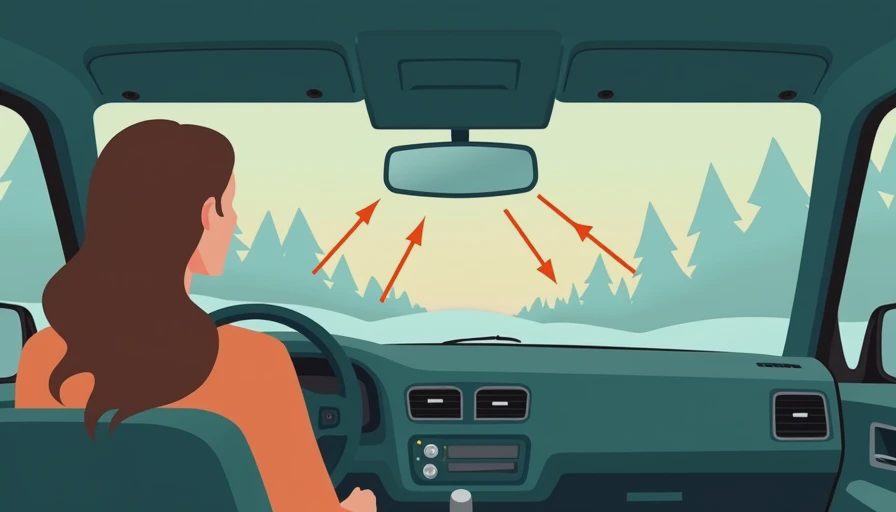
How the Front and Rear Systems Differ
Understanding what is a defroster in a car becomes easier when you separate the two systems. The front unit is primarily an airflow system. It needs a functioning blower, warm air source, open ducts, and correctly operating controls. If the fan works but the windshield stays cold, the problem could involve low coolant, a restricted heater core, a stuck blend door, or a thermostat that is not allowing the engine to reach normal operating temperature.
The rear unit is primarily an electrical heating system. Pressing the button sends current through the glass grid. A broken line can create a narrow uncleared stripe, while a blown fuse or failed relay can stop the entire grid from working. Scraping the inside of the rear window with a hard object or mounting accessories over the lines can cause expensive damage.
Electric vehicles change the energy calculation. An EV does not have waste engine heat available while parked, so it uses resistive heaters, heat pumps, or both to warm the cabin and glass. Resistive heating is quick but can consume noticeable battery energy. In a cold-weather commute, preconditioning while plugged in is usually more efficient than waiting until the drive begins.
Why Defroster Performance Matters for Safety
A clear windshield is basic visibility equipment, not a convenience feature. Fogged glass can hide lane markings, pedestrians, cyclists, and brake lights. Ice creates a similar problem, and driving with a small cleared patch does not provide a safe field of view. The best procedure is to start the vehicle, select the windshield setting, use fresh-air mode if the cabin is humid, and wait until the glass is fully clear.
Do not pour hot water over an iced windshield. A rapid temperature change can crack glass, especially if an existing chip is present. Use a plastic scraper, a proper deicer, or remote preconditioning. Replace worn wiper blades before winter because cleared glass can quickly become smeared when rubber has hardened.
A useful comparison is response time. If a healthy car clears light interior fog in about one or two minutes but your vehicle needs ten minutes, investigate rather than accepting the delay as normal. Check the cabin air filter, coolant level when the engine is cold, blower settings, and whether air is actually reaching the windshield vents.
Common Failures and Repair Costs
When the front defroster is weak, the repair can range from inexpensive to labor-intensive. A cabin air filter may cost approximately $15 to $40 for the part, with installed service commonly reaching $40 to $100. A blower fuse or resistor can sometimes be repaired for $50 to $250, depending on the vehicle and labor access.
A failed blower motor often lands in the $200 to $600 range. Heater-core replacement is more serious because the dashboard may need partial or extensive removal; an estimated total of $800 to $1,800 is plausible for many vehicles, although luxury models can exceed that range. A broken blend-door actuator may cost $150 to $700.
Rear defroster repairs depend on the failure. Conductive repair kits can cost less than $30 for a damaged line, while electrical diagnosis, wiring repairs, or glass replacement can push the bill from $100 to more than $1,000. Those figures are planning estimates, not quotes. Vehicle design and local labor rates matter.
If a windshield replacement is needed, confirm that the installer addresses cameras and sensors mounted near the rearview mirror. Advanced driver-assistance systems may require calibration after replacement. A defroster repair and an ADAS calibration are separate jobs, but both affect clear, reliable forward vision.

How to Test a Defroster Before Buying a Used Car
A used-car inspection should include more than engine noise and tire tread. To test what is a defroster in a car, turn the vehicle on and set the front system to maximum heat with the windshield mode selected. Confirm that air comes from the correct vents and that airflow is strong after the blower reaches its higher settings. A weak stream can indicate a filter, duct, blower, or control problem.
Then activate the rear button. Watch for the indicator light and inspect the glass for evenly warming horizontal lines. A small number of dead lines is a repair negotiation point; a completely inactive grid deserves diagnosis. Test heated mirrors if the vehicle lists them as standard equipment.
Also inspect the windshield for chips, long cracks, and hazy areas that remain after the air runs. Ask whether the car has experienced coolant leaks or dashboard repairs. A sweet smell from the vents, damp carpet, or persistent fog can indicate a heater-core issue rather than ordinary humidity.
Insurance, Ownership, and the Buying Decision
What is a defroster in a car worth during ownership? It is a modest feature with a large visibility impact. A malfunction alone is generally a mechanical maintenance issue, not something comprehensive auto insurance normally pays to repair. Comprehensive coverage is more commonly associated with non-collision damage such as theft, hail, falling objects, or glass damage, subject to the policy deductible and terms.
That distinction matters when budgeting. A $500 defroster-related repair is usually an out-of-pocket maintenance decision, while a cracked windshield from a covered event may fall under glass or comprehensive coverage. Compare the likely repair cost with your deductible before filing a claim, because a small claim may not provide meaningful financial value.
My scoring rule is straightforward: test every visibility feature, price the repair before purchase, and never treat a working defroster as optional in a winter market. The feature adds little resale drama, but it can prevent a dangerous first five minutes of every cold-weather drive. When comparing cars, add defroster operation to the same checklist as brakes, tires, lights, and driver-assistance sensors.
No comments yet.